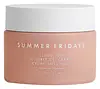
This barrier-repair moisturizer is formulated around Sodium Hyaluronate and Hydrolyzed Sodium Hyaluronate to strengthen the skin barrier and hydrate skin.
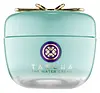
This pore-care moisturizer is formulated around Saccharomyces/Rice Ferment Filtrate and Camellia Sinensis Leaf Extract to refine the look of pores and hydrate skin.

What's inside
What's inside
 Key Ingredients
Benefits
Concerns
Ingredients Side-by-side
Water
Skin ConditioningPropanediol
Solvent

Dicaprylyl Carbonate
EmollientGlycerin
Humectant
Pentylene Glycol
Skin Conditioning
Sodium Hyaluronate
Humectant


Hydrolyzed Sodium Hyaluronate
Skin Conditioning
Glycine
Buffering
Serine
Masking
Glutamic Acid
Humectant
Aspartic Acid
Masking
Leucine
Skin ConditioningAlanine
Masking
Lysine
Skin ConditioningArginine
Masking
Tyrosine
MaskingPhenylalanine
Masking
Proline
Skin Conditioning
Threonine
Valine
MaskingIsoleucine
Skin ConditioningHistidine
Humectant
Ascorbic Acid
Antioxidant




Saccharide Isomerate
Humectant
Haematococcus Pluvialis Extract
Antioxidant
Ceramide NP
Skin Conditioning
Tocopheryl Acetate
Antioxidant
Tocopherol
Antioxidant
Hexapeptide-11
Skin Conditioning
Palmitoyl Tripeptide-1
Skin Conditioning
Ananas Sativus Fruit Extract
Skin ConditioningSaccharomyces/Magnesium Ferment


Saccharomyces/Copper Ferment
Skin Conditioning
Saccharomyces/Silicon Ferment
Skin Conditioning
Butylene Glycol
Humectant
Glyceryl Acrylate/Acrylic Acid Copolymer
HumectantGlyceryl Caprylate
EmollientSucrose Stearate
EmollientLecithin
Emollient
Polyglyceryl-10 Laurate
Skin Conditioning
Xanthan Gum
EmulsifyingCetearyl Olivate
Sorbitan Olivate
Emulsifying
Sodium Citrate
BufferingCarbomer
Emulsion StabilisingCitric Acid
Buffering
Cetearyl Alcohol
Emollient




Sodium Hydroxide
BufferingLactobacillus Ferment
Skin Conditioning
Leuconostoc/Radish Root Ferment Filtrate
Antimicrobial
Hydroxyacetophenone
Antioxidant
CI 77491
Cosmetic ColorantWater, Propanediol, Dicaprylyl Carbonate, Glycerin, Pentylene Glycol, Sodium Hyaluronate, Hydrolyzed Sodium Hyaluronate, Glycine, Serine, Glutamic Acid, Aspartic Acid, Leucine, Alanine, Lysine, Arginine, Tyrosine, Phenylalanine, Proline, Threonine, Valine, Isoleucine, Histidine, Ascorbic Acid, Saccharide Isomerate, Haematococcus Pluvialis Extract, Ceramide NP, Tocopheryl Acetate, Tocopherol, Hexapeptide-11, Palmitoyl Tripeptide-1, Ananas Sativus Fruit Extract, Saccharomyces/Magnesium Ferment, Saccharomyces/Copper Ferment, Saccharomyces/Silicon Ferment, Butylene Glycol, Glyceryl Acrylate/Acrylic Acid Copolymer, Glyceryl Caprylate, Sucrose Stearate, Lecithin, Polyglyceryl-10 Laurate, Xanthan Gum, Cetearyl Olivate, Sorbitan Olivate, Sodium Citrate, Carbomer, Citric Acid, Cetearyl Alcohol, Sodium Hydroxide, Lactobacillus Ferment, Leuconostoc/Radish Root Ferment Filtrate, Hydroxyacetophenone, CI 77491
Water
Skin ConditioningSaccharomyces/Rice Ferment Filtrate
Skin Conditioning
Dimethicone
Emollient
Propanediol
Solvent
Glycerin
Humectant
Diglycerin
Humectant
Diphenylsiloxy Phenyl Trimethicone
Skin Conditioning
Camellia Sinensis Leaf Extract
Antimicrobial

Cladosiphon Okamuranus Extract
Skin Conditioning
PEG-9 Polydimethylsiloxyethyl Dimethicone
Emulsifying
Gold
Cosmetic ColorantBelamcanda Chinensis Root Extract
Skin ConditioningRosa Multiflora Fruit Extract
MaskingHouttuynia Cordata Extract
Skin Conditioning
Sophora Angustifolia Root Extract
Skin ConditioningSodium Hyaluronate
Humectant
Lecithin
Emollient
Pistacia Lentiscus Gum
MaskingSodium Chloride
MaskingSodium Citrate
BufferingMica
Cosmetic ColorantTin Oxide
Abrasive
Dimethicone/PEG-10/15 Crosspolymer
Dimethicone/Phenyl Vinyl Dimethicone Crosspolymer
Tocopherol
Antioxidant
Butylene Glycol
Humectant
Ethylhexylglycerin
Skin ConditioningDipropylene Glycol
HumectantParfum
Masking


Alcohol
Antimicrobial

Phenoxyethanol
Preservative
Limonene
Perfuming
Linalool
Perfuming
Citral
Perfuming
CI 77891
Cosmetic ColorantWater, Saccharomyces/Rice Ferment Filtrate, Dimethicone, Propanediol, Glycerin, Diglycerin, Diphenylsiloxy Phenyl Trimethicone, Camellia Sinensis Leaf Extract, Cladosiphon Okamuranus Extract, PEG-9 Polydimethylsiloxyethyl Dimethicone, Gold, Belamcanda Chinensis Root Extract, Rosa Multiflora Fruit Extract, Houttuynia Cordata Extract, Sophora Angustifolia Root Extract, Sodium Hyaluronate, Lecithin, Pistacia Lentiscus Gum, Sodium Chloride, Sodium Citrate, Mica, Tin Oxide, Dimethicone/PEG-10/15 Crosspolymer, Dimethicone/Phenyl Vinyl Dimethicone Crosspolymer, Tocopherol, Butylene Glycol, Ethylhexylglycerin, Dipropylene Glycol, Parfum, Alcohol, Phenoxyethanol, Limonene, Linalool, Citral, CI 77891
Reviews
Ingredients Explained
These ingredients are found in both products.
Ingredients higher up in an ingredient list are typically present in a larger amount.
Butylene Glycol (or BG) is used within cosmetic products for a few different reasons:
Overall, Butylene Glycol is a safe and well-rounded ingredient that works well with other ingredients.
Though this ingredient works well with most skin types, some people with sensitive skin may experience a reaction such as allergic rashes, closed comedones, or itchiness.
Learn more about Butylene GlycolGlycerin (or glycerol) is a compound naturally found in your skin. It's a powerhouse humectant that pulls water into the stratum corneum.
Topically, glycerin does several things at once:
Your skin makes glycerin on its own (mostly from sebaceous oil breakdown) and shuttles it to your outermost layer of skin, or your epidermis, via aquaporin-3.
Aquaporin-3 is a transporter that is essential for normal skin hydration, elasticity, and repair. Interestingly, mice lacking in AQP3 have dry and less elastic skin that can be fully corrected with glycerin.
This ingredient is non-irritating, plays well with almost every ingredient, and works across all skin types. Typical use is anywhere between 3-10% but can go up to 79% in some leave-on products.
Just know very high concentrations (>40%) can feel tacky in low humidity.
Glycerin is the name for this ingredient in American English. British English uses Glycerol/Glycerine.
Learn more about GlycerinLecithin is a term for a group of substances found in the cell membranes of plants, animals, and humans. They are made up of phospholipids.
Thanks to its amphiphilic structure (water-loving head and oil-loving tail), it is a true multitasker:
It plays well with most ingredients and is typically used at 0.1-1%. However, concentrations up to 50% have been reported in moisturizers.
Learn more about LecithinPropanediol is an all-star ingredient. It softens, hydrates, and smooths the skin.
It’s often used to:
Propanediol is not likely to cause sensitivity and considered safe to use. It is derived from corn or petroleum with a clear color and no scent.
Learn more about PropanediolSodium Citrate is the sodium salts of citric acid. In skincare, it is used to alter pH levels and acts as a preservative.
Its main functions are to maintain the pH of a product and neutralize metal ions.
The acidity of our skin is maintained by our glands and skin biome; normal pH level of skin is slightly acidic (~4.75-5.5).
Being slightly acidic allows our skin to create an "acid mantle". This acid mantle is a thin barrier that protects our skin from bacteria and contaminants.
Learn more about Sodium CitrateSodium Hyaluronate is the salt form of hyaluronic acid. It is a long sugar chain that is naturally found in your skin, joints, and connective tissue that maintains hydration and elasticity.
In skincare, it works as a humectant. It pulls water from the environment and deeper layers of skin and binds it to the surface.
Interestingly, the size of the molecule affects its behavior:
Some clinical evidence links low molecular weight versions to improved wrinkle depth, elasticity, anti-inflammatory effects, and barrier repair.
Many serums use a blend of both weights so you can get surface hydration plus longer-lasting and deeper effects.
You'll typically see concentrations between 0.1-2% for this ingredient.
Learn more about Sodium HyaluronateTocopherol is a fat-soluble antioxidant known as Vitamin E.
You'll find this ingredient in the vast majority of skincare (for good reason). It works to neutralize free radicals, or unstable molecules generated by UV exposure, pollution, and other environmental stressors, before they can cause oxidative damage to your skin cells.
Topically applied tocopherol has been shown to protect against UV damage by ramping up the skin's own natural defense enzymes.
It also acts as a skin conditioning agent; some studies show that regular topical use can improve the skin's water-binding capacity over 2-4 weeks.
This ingredient is especially loved for being a team player. When combined with Vitamin C, the photoprotective effect of both ingredients roughly doubles and the combo also helps reduce UV-induced DNA damage.
This ingredient has some brightening potential but it's more of a prevention ingredient than spot-fader. Cell studies show it can slow down melanin production but it's worth noting that it's not the most powerful brightener out there.
In formulations, it also serves as a stabilizer that helps protect other oxidation-prone ingredients from degrading.
Concentrations usually range from 0.1-1% in most leave-on products.
Learn more about TocopherolWater. It's the most common cosmetic ingredient of all. You'll usually see it at the top of ingredient lists, meaning that it makes up the largest part of the product.
So why is it so popular? Water most often acts as a solvent - this means that it helps dissolve other ingredients into the formulation.
You'll also recognize water as that liquid we all need to stay alive. If you see this, drink a glass of water. Remember to stay hydrated!
Learn more about Water

