

What's inside
What's inside
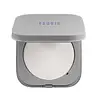 Key Ingredients
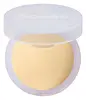
Benefits
Concerns
Ingredients Side-by-side
Synthetic Fluorphlogopite
Mica
Cosmetic ColorantSilica
Abrasive


Zinc Myristate
Caprylic/Capric Triglyceride
Masking


Dimethicone
Emollient

Pentaerythrityl Tetraisostearate
Emollient

Titanium Dioxide
Cosmetic Colorant

Nylon-12
Phenyl Trimethicone
Skin Conditioning
Glycerin
Humectant
Butylene Glycol
Humectant
Water
Skin ConditioningSodium Chloride
MaskingButyrospermum Parkii Butter
Skin Conditioning


Isopropyl Titanium Triisostearate
Emollient
Lavandula Angustifolia Flower/Leaf/Stem Extract
Masking

Marrubium Vulgare Extract
Skin ConditioningTrehalose
Humectant
Urea
Buffering

Serine
Masking
Algin
MaskingSodium Hyaluronate
Humectant

Pullulan
Tocopheryl Acetate
Antioxidant


Pentylene Glycol
Skin Conditioning
Glyceryl Polyacrylate
Caprylyl Glycol
Emollient
Phenoxyethanol
Preservative
Chlorphenesin
Antimicrobial
Disodium Phosphate
BufferingPotassium Phosphate
BufferingSynthetic Fluorphlogopite, Mica, Silica, Zinc Myristate, Caprylic/Capric Triglyceride, Dimethicone, Pentaerythrityl Tetraisostearate, Titanium Dioxide, Nylon-12, Phenyl Trimethicone, Glycerin, Butylene Glycol, Water, Sodium Chloride, Butyrospermum Parkii Butter, Isopropyl Titanium Triisostearate, Lavandula Angustifolia Flower/Leaf/Stem Extract, Marrubium Vulgare Extract, Trehalose, Urea, Serine, Algin, Sodium Hyaluronate, Pullulan, Tocopheryl Acetate, Pentylene Glycol, Glyceryl Polyacrylate, Caprylyl Glycol, Phenoxyethanol, Chlorphenesin, Disodium Phosphate, Potassium Phosphate
Mica
Cosmetic ColorantSilica
Abrasive
Capryloyl Glycerin/Sebacic Acid Copolymer
Skin ConditioningLauroyl Lysine
Skin Conditioning
Glyceryl Stearate
Emollient
Octyldodecanol
Emollient
Simmondsia Chinensis Seed Oil
Emollient
Pentylene Glycol
Skin Conditioning
Glycerin
Humectant
Glyceryl Caprylate
EmollientPotassium Sorbate
Preservative
Bambusa Arundinacea Stem Powder
Abrasive
Passiflora Edulis Seed Oil
Emollient
Glyceryl Undecylenate
Emollient
Water
Skin ConditioningStearic Acid
Cleansing
Euphorbia Cerifera Cera
Astringent
Xanthan Gum
EmulsifyingSodium Phytate
ChelatingCetearyl Olivate
Tocopherol
Antioxidant
Sorbitan Olivate
Emulsifying
Honokiol
Antioxidant
Paeonia Officinalis Flower Extract
TonicHelianthus Annuus Seed Oil
Emollient
Vitis Vinifera Seed Extract
Antimicrobial
Sodium Benzoate
Masking
CI 77492
Cosmetic ColorantCI 77491
Cosmetic ColorantCI 45410
Cosmetic ColorantCI 19140
Cosmetic ColorantMica, Silica, Capryloyl Glycerin/Sebacic Acid Copolymer, Lauroyl Lysine, Glyceryl Stearate, Octyldodecanol, Simmondsia Chinensis Seed Oil, Pentylene Glycol, Glycerin, Glyceryl Caprylate, Potassium Sorbate, Bambusa Arundinacea Stem Powder, Passiflora Edulis Seed Oil, Glyceryl Undecylenate, Water, Stearic Acid, Euphorbia Cerifera Cera, Xanthan Gum, Sodium Phytate, Cetearyl Olivate, Tocopherol, Sorbitan Olivate, Honokiol, Paeonia Officinalis Flower Extract, Helianthus Annuus Seed Oil, Vitis Vinifera Seed Extract, Sodium Benzoate, CI 77492, CI 77491, CI 45410, CI 19140
Reviews
Ingredients Explained
These ingredients are found in both products.
Ingredients higher up in an ingredient list are typically present in a larger amount.
Glycerin (or glycerol) is a compound naturally found in your skin. It's a powerhouse humectant that pulls water into the stratum corneum.
Topically, glycerin does several things at once:
Your skin makes glycerin on its own (mostly from sebaceous oil breakdown) and shuttles it to your outermost layer of skin, or your epidermis, via aquaporin-3.
Aquaporin-3 is a transporter that is essential for normal skin hydration, elasticity, and repair. Interestingly, mice lacking in AQP3 have dry and less elastic skin that can be fully corrected with glycerin.
This ingredient is non-irritating, plays well with almost every ingredient, and works across all skin types. Typical use is anywhere between 3-10% but can go up to 79% in some leave-on products.
Just know very high concentrations (>40%) can feel tacky in low humidity.
Glycerin is the name for this ingredient in American English. British English uses Glycerol/Glycerine.
Learn more about GlycerinMica is a naturally occurring mineral used to add shimmer and color in cosmetics. It can also help improve the texture of a product or give it an opaque, white/silver color.
Serecite is the name for very fine but ragged grains of mica.
This ingredient is often coated with metal oxides like titanium dioxide. Trace amounts of heavy metals may be found in mica, but these metals are not harmful in our personal products.
Mica has been used since prehistoric times throughout the world. Ancient Egyptian, Indian, Greek, Roman, Aztec, and Chinese civilizations have used mica.
Learn more about MicaPentylene Glycol (1,2-pentanediol) is a multitasking little diol with three main roles in a formula:
Research on alkanediols (the family pentylene glycol belongs to) show they work by disrupting microbial cell membranes. This disruption helps the primary preservative system in a product work more effectively at lower doses.
On the safety side, the Cosmetic Ingredient Review Expert Panel has concluded this ingredient to be safe as used in current cosmetic practices + concentrations.
Typical use levels in a formula run about 1-5%.
Learn more about Pentylene GlycolSilica, also known as silicon dioxide, is a naturally occurring mineral. It is used as a fine, spherical, and porous powder in cosmetics.
Though it has exfoliant properties, the function of silica varies depending on the product.
The unique structure of silica enhances the spreadability and adds smoothness, making it a great texture enhancer.
It is also used as an active carrier, emulsifier, and mattifier due to its ability to absorb excess oil.
In some products, tiny microneedles called spicules are made from silica or hydrolyzed sponge. When you rub them in, they lightly polish away dead skin layers and enhance the penetration of active ingredients.
Learn more about SilicaWater. It's the most common cosmetic ingredient of all. You'll usually see it at the top of ingredient lists, meaning that it makes up the largest part of the product.
So why is it so popular? Water most often acts as a solvent - this means that it helps dissolve other ingredients into the formulation.
You'll also recognize water as that liquid we all need to stay alive. If you see this, drink a glass of water. Remember to stay hydrated!
Learn more about Water

