

What's inside
What's inside
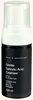 Key Ingredients
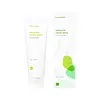
Benefits
Concerns
Ingredients Side-by-side
Camellia Sinensis Leaf Water
Masking
Potassium Cocoyl Glycinate
Glycerin
Humectant



C12-14 Pareth-12
EmulsifyingPEG-60 Hydrogenated Castor Oil
Emulsifying

Ethylhexylglycerin
Skin ConditioningCitric Acid
Buffering




Salicylic Acid
Masking




Zinc PCA
Humectant

Trehalose
Humectant
Allantoin
Skin Conditioning
Portulaca Oleracea Extract
Skin Conditioning
Aloe Barbadensis Leaf Extract
Emollient
Cocos Nucifera Fruit Extract
EmollientSodium PCA
Humectant
Niacinamide
Smoothing


Sorbitol
Humectant
Sodium Hyaluronate
Humectant
Pentylene Glycol
Skin ConditioningSaccharide Isomerate
Humectant
Disodium EDTA
Camellia Sinensis Leaf Water, Potassium Cocoyl Glycinate, Glycerin, C12-14 Pareth-12, PEG-60 Hydrogenated Castor Oil, Ethylhexylglycerin, Citric Acid, Salicylic Acid, Zinc PCA, Trehalose, Allantoin, Portulaca Oleracea Extract, Aloe Barbadensis Leaf Extract, Cocos Nucifera Fruit Extract, Sodium PCA, Niacinamide, Sorbitol, Sodium Hyaluronate, Pentylene Glycol, Saccharide Isomerate, Disodium EDTA
Water
Skin ConditioningSodium Cocoyl Alaninate
Glycerin
Humectant
Dipropylene Glycol
HumectantCoco-Glucoside
CleansingAcrylates/C10-30 Alkyl Acrylate Crosspolymer
Emulsion StabilisingPotassium Cocoate
Emulsifying
Lauryl Glucoside
CleansingPentylene Glycol
Skin ConditioningLaminaria Japonica Extract
Skin Protecting
Eclipta Prostrata Leaf Extract
Skin ConditioningCentella Asiatica Extract
Cleansing
Ficus Carica Fruit Extract
Humectant
Camellia Sinensis Leaf Extract
Antimicrobial
Melaleuca Alternifolia Leaf Extract
Perfuming
Ulmus Davidiana Root Extract
Skin Conditioning
Amaranthus Caudatus Seed Extract
Skin Conditioning
Rosmarinus Officinalis Leaf Oil
Masking
Hydrogenated Lecithin
Emulsifying
Polyglyceryl-10 Laurate
Skin Conditioning
Salicylic Acid
Masking
Decylene Glycol
Skin ConditioningButylene Glycol
Humectant
Disodium EDTA
Fructooligosaccharides
Humectant
Beta-Glucan
Skin Conditioning
Hydrolyzed Hyaluronic Acid
Humectant
Ceramide NP
Skin Conditioning
1,2-Hexanediol
Skin Conditioning
Hydroxyacetophenone
Antioxidant
Ethylhexylglycerin
Skin ConditioningTocopherol
Antioxidant
Water, Sodium Cocoyl Alaninate, Glycerin, Dipropylene Glycol, Coco-Glucoside, Acrylates/C10-30 Alkyl Acrylate Crosspolymer, Potassium Cocoate, Lauryl Glucoside, Pentylene Glycol, Laminaria Japonica Extract, Eclipta Prostrata Leaf Extract, Centella Asiatica Extract, Ficus Carica Fruit Extract, Camellia Sinensis Leaf Extract, Melaleuca Alternifolia Leaf Extract, Ulmus Davidiana Root Extract, Amaranthus Caudatus Seed Extract, Rosmarinus Officinalis Leaf Oil, Hydrogenated Lecithin, Polyglyceryl-10 Laurate, Salicylic Acid, Decylene Glycol, Butylene Glycol, Disodium EDTA, Fructooligosaccharides, Beta-Glucan, Hydrolyzed Hyaluronic Acid, Ceramide NP, 1,2-Hexanediol, Hydroxyacetophenone, Ethylhexylglycerin, Tocopherol
Reviews
Ingredients Explained
These ingredients are found in both products.
Ingredients higher up in an ingredient list are typically present in a larger amount.
Disodium EDTA plays a role in making products more stable by aiding other preservatives.
It is a chelating agent, meaning it neutralizes metal ions that may be found in a product.
Disodium EDTA is a salt of edetic acid and is found to be safe in cosmetic ingredients.
Learn more about Disodium EDTAEthylhexylglycerin (we can't pronounce this either) is commonly used as a preservative and skin softener. It is derived from glyceryl.
You might see Ethylhexylglycerin often paired with other preservatives such as phenoxyethanol. Ethylhexylglycerin has been found to increase the effectiveness of these other preservatives.
Glycerin is already naturally found in your skin. It helps moisturize and protect your skin.
A study from 2016 found glycerin to be more effective as a humectant than AHAs and hyaluronic acid.
As a humectant, it helps the skin stay hydrated by pulling moisture to your skin. The low molecular weight of glycerin allows it to pull moisture into the deeper layers of your skin.
Hydrated skin improves your skin barrier; Your skin barrier helps protect against irritants and bacteria.
Glycerin has also been found to have antimicrobial and antiviral properties. Due to these properties, glycerin is often used in wound and burn treatments.
In cosmetics, glycerin is usually derived from plants such as soybean or palm. However, it can also be sourced from animals, such as tallow or animal fat.
This ingredient is organic, colorless, odorless, and non-toxic.
Glycerin is the name for this ingredient in American English. British English uses Glycerol/Glycerine.
Learn more about GlycerinPentylene glycol is typically used within a product to thicken it. It also adds a smooth, soft, and moisturizing feel to the product. It is naturally found in plants such as sugar beets.
The hydrophilic trait of Pentylene Glycol makes it a humectant. As a humectant, Pentylene Glycol helps draw moisture from the air to your skin. This can help keep your skin hydrated.
This property also makes Pentylene Glycol a great texture enhancer. It can also help thicken or stabilize a product.
Pentylene Glycol also acts as a mild preservative and helps to keep a product microbe-free.
Some people may experience mild eye and skin irritation from Pentylene Glycol. We always recommend speaking with a professional about using this ingredient in your routine.
Pentylene Glycol has a low molecular weight and is part of the 1,2-glycol family.
Learn more about Pentylene GlycolSalicylic Acid (also known as beta hydroxy acid or BHA) is a well-known ingredient for treating skin that struggles with acne and clogged pores. It exfoliates both the skin's surface and deep within the pores to help clear out buildup, control oil, and reduce inflammation.
Unlike AHAs (alpha hydroxy acids), salicylic acid is oil-soluble. This allows it to penetrate into pores which makes it especially effective for treating blackheads and preventing future breakouts.
Salicylic acid is also known for its soothing properties. It has a similar structure to aspirin and can calm inflamed or irritated skin, making it a good option for acne-prone skin that is also sensitive.
Concentrations of 0.5-2% are recognized by the U.S. FDA as an over-the-counter topical acne product.
It can cause irritation and/or dryness if one's skin already has a compromised moisture barrier, so it's best to focus on repairing that before introducing this ingredient into your routine.
While salicylic acid does not increase sun sensitivity, it’s still important to wear sunscreen daily to protect your skin.
If you are looking for the ingredient called BHA or Butylated Hydroxyanisole, click here.
Learn more about Salicylic Acid
