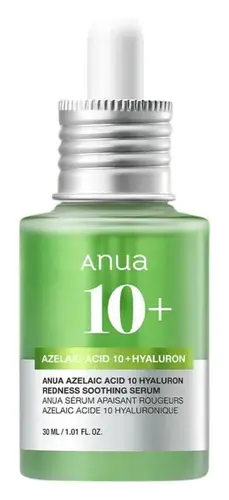
This anti-aging serum is formulated around Bakuchiol and Ubiquinone to soften the look of wrinkles.
This hydrating serum is formulated around Niacinamide and Persea Gratissima Oil to hydrate skin and calm redness.


What's inside
What's inside
 Key Ingredients
Benefits
Concerns
Ingredients Side-by-side
Water
Skin ConditioningButylene Glycol
Humectant

Squalane
Emollient
Neopentyl Glycol Diheptanoate
EmollientCetyl Ethylhexanoate
EmollientBetaine
Humectant
Pentylene Glycol
Skin Conditioning
Dipentaerythrityl Hexa C5-9 Acid Esters
Skin ConditioningPolyglycerin-3
Humectant
1,2-Hexanediol
Skin Conditioning
Hydrogenated Olive Oil Unsaponifiables
Emollient


Bakuchiol
Antimicrobial







Chondrus Crispus Extract
Skin Conditioning
Caprylic/Capric Triglyceride
Masking
Hydrogenated Lecithin
Emulsifying
Saccharum Officinarum Extract
MoisturisingUbiquinone
Antioxidant
Acrylates/C10-30 Alkyl Acrylate Crosspolymer
Emulsion StabilisingXanthan Gum
EmulsifyingSodium Dilauramidoglutamide Lysine
HumectantTromethamine
BufferingEthylhexylglycerin
Skin ConditioningCeramide NP
Skin Conditioning
Hydroxypropyl Cyclodextrin
MaskingAcetyl Glucosamine
Skin Conditioning
Hydroxyacetophenone
Antioxidant
Allantoin
Skin Conditioning
Palmitoyl Tripeptide-38
Skin Conditioning
Sodium Hyaluronate Crosspolymer
Humectant
Sodium Stearoyl Glutamate
CleansingCaprylyl Glycol
Emollient
Tocopherol
Antioxidant
Water, Butylene Glycol, Squalane, Neopentyl Glycol Diheptanoate, Cetyl Ethylhexanoate, Betaine, Pentylene Glycol, Dipentaerythrityl Hexa C5-9 Acid Esters, Polyglycerin-3, 1,2-Hexanediol, Hydrogenated Olive Oil Unsaponifiables, Bakuchiol, Chondrus Crispus Extract, Caprylic/Capric Triglyceride, Hydrogenated Lecithin, Saccharum Officinarum Extract, Ubiquinone, Acrylates/C10-30 Alkyl Acrylate Crosspolymer, Xanthan Gum, Sodium Dilauramidoglutamide Lysine, Tromethamine, Ethylhexylglycerin, Ceramide NP, Hydroxypropyl Cyclodextrin, Acetyl Glucosamine, Hydroxyacetophenone, Allantoin, Palmitoyl Tripeptide-38, Sodium Hyaluronate Crosspolymer, Sodium Stearoyl Glutamate, Caprylyl Glycol, Tocopherol
Water
Skin ConditioningDipropylene Glycol
HumectantNeopentyl Glycol Diheptanoate
EmollientGlycereth-26
Humectant
1,2-Hexanediol
Skin Conditioning
Niacinamide
Smoothing


Sorbitol
Humectant
Hydroxyethyl Urea
Humectant
Persea Gratissima Oil
Skin Conditioning

Salvia Hispanica Seed Extract
Emollient
Ocimum Basilicum Flower/Leaf/Stem Extract
TonicBetaine
Humectant
Avena Sativa Kernel Extract
Abrasive
Butylene Glycol
Humectant
Tuber Magnatum Extract
Skin ConditioningGlycerin
Humectant
Helianthus Annuus Seed Oil
Emollient
Tocopheryl Acetate
Antioxidant
Disodium EDTA
ChelatingDipotassium Glycyrrhizate
Humectant
Adenosine
Skin Conditioning
Sodium Palmitoyl Proline
Skin ConditioningBifida Ferment Lysate
Skin Conditioning
Nymphaea Alba Flower Extract
Skin ConditioningHydrolyzed Hyaluronic Acid
Humectant
Glycine Soja Oil
Emollient
Saussurea Involucrata Extract
HumectantPanax Ginseng Root Extract
Emollient
Nelumbo Nucifera Flower Extract
Skin ConditioningMorus Alba Bark Extract
Skin ConditioningLilium Candidum Flower Extract
Skin ConditioningLeontopodium Alpinum Extract
Skin ConditioningHouttuynia Cordata Extract
Skin Conditioning
Freesia Refracta Extract
Skin ConditioningCarbomer
Emulsion StabilisingBellis Perennis Flower Extract
Skin ConditioningArginine
Masking
Potassium Sorbate
Preservative
Bixa Orellana Seed Oil
Emollient
Tocopherol
Antioxidant
Parfum
Masking


Linalool
Perfuming
Hexyl Cinnamal
Perfuming
Limonene
Perfuming
Citronellol
Perfuming
Water, Dipropylene Glycol, Neopentyl Glycol Diheptanoate, Glycereth-26, 1,2-Hexanediol, Niacinamide, Sorbitol, Hydroxyethyl Urea, Persea Gratissima Oil, Salvia Hispanica Seed Extract, Ocimum Basilicum Flower/Leaf/Stem Extract, Betaine, Avena Sativa Kernel Extract, Butylene Glycol, Tuber Magnatum Extract, Glycerin, Helianthus Annuus Seed Oil, Tocopheryl Acetate, Disodium EDTA, Dipotassium Glycyrrhizate, Adenosine, Sodium Palmitoyl Proline, Bifida Ferment Lysate, Nymphaea Alba Flower Extract, Hydrolyzed Hyaluronic Acid, Glycine Soja Oil, Saussurea Involucrata Extract, Panax Ginseng Root Extract, Nelumbo Nucifera Flower Extract, Morus Alba Bark Extract, Lilium Candidum Flower Extract, Leontopodium Alpinum Extract, Houttuynia Cordata Extract, Freesia Refracta Extract, Carbomer, Bellis Perennis Flower Extract, Arginine, Potassium Sorbate, Bixa Orellana Seed Oil, Tocopherol, Parfum, Linalool, Hexyl Cinnamal, Limonene, Citronellol
Reviews
Ingredients Explained
These ingredients are found in both products.
Ingredients higher up in an ingredient list are typically present in a larger amount.
1,2-Hexanediol is a synthetic liquid and another multi-functional powerhouse.
It is a:
- Humectant, drawing moisture into the skin
- Emollient, helping to soften skin
- Solvent, dispersing and stabilizing formulas
- Preservative booster, enhancing the antimicrobial activity of other preservatives
Betaine is a humectant. Like hyaluronic acid, it helps attract and retain moisture in the skin. It’s known for being gentle and for helping the skin maintain balanced hydration.
Betaine is mainly used to improve hydration and support calmer skin. It helps skin cells regulate water balance because it functions as an osmolyte.
Some studies suggest betaine may support making skin tone more even.
Fun fact: Betaine naturally exists in the skin and the body. In cosmetic products, it can be either plant-derived (most commonly from sugar beets) or synthetically produced for consistency and stability.
Betaine is also known as trimethylglycine.
Learn more about BetaineButylene Glycol (or BG) is used within cosmetic products for a few different reasons:
Overall, Butylene Glycol is a safe and well-rounded ingredient that works well with other ingredients.
Though this ingredient works well with most skin types, some people with sensitive skin may experience a reaction such as allergic rashes, closed comedones, or itchiness.
Learn more about Butylene GlycolNeopentyl Glycol Diheptanoate is a lightweight synthetic emollient that also helps improve how a product feels and spreads.
In a formula, it's a workhorse that:
The Cosmetic Ingredient Review panel has concluded this ingredient to be safe in cosmetics and found to be a non-ocular (eye) irritant at 100% in rabbits.
Usage levels vary depending on product type; industry surveys report it around 2.2% in baby products, 19.5% in hair sprays, and 1-20% in skincare.
Learn more about Neopentyl Glycol DiheptanoateTocopherol is a fat-soluble antioxidant known as Vitamin E.
You'll find this ingredient in the vast majority of skincare (for good reason). It works to neutralize free radicals, or unstable molecules generated by UV exposure, pollution, and other environmental stressors, before they can cause oxidative damage to your skin cells.
Topically applied tocopherol has been shown to protect against UV damage by ramping up the skin's own natural defense enzymes.
It also acts as a skin conditioning agent; some studies show that regular topical use can improve the skin's water-binding capacity over 2-4 weeks.
This ingredient is especially loved for being a team player. When combined with Vitamin C, the photoprotective effect of both ingredients roughly doubles and the combo also helps reduce UV-induced DNA damage.
This ingredient has some brightening potential but it's more of a prevention ingredient than spot-fader. Cell studies show it can slow down melanin production but it's worth noting that it's not the most powerful brightener out there.
In formulations, it also serves as a stabilizer that helps protect other oxidation-prone ingredients from degrading.
Concentrations usually range from 0.1-1% in most leave-on products.
Learn more about TocopherolWater. It's the most common cosmetic ingredient of all. You'll usually see it at the top of ingredient lists, meaning that it makes up the largest part of the product.
So why is it so popular? Water most often acts as a solvent - this means that it helps dissolve other ingredients into the formulation.
You'll also recognize water as that liquid we all need to stay alive. If you see this, drink a glass of water. Remember to stay hydrated!
Learn more about Water