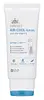
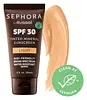
SNP UV Perfect Air Cool Sun Gel SPF50+ PA++++ Versus Sephora Collection Sephora Collection X Avasol Tinted Mineral Sunscreen SPF 30
This chemical sunscreen covers the full UV range and blocks ~98% of UVB at SPF 50.
This sunscreen offers SPF 30 protection with a dewy, hydrating finish.


What's inside
What's inside
 Key Ingredients
Benefits
Concerns
Ingredients Side-by-side
Aloe Barbadensis Extract
Skin Conditioning


Laminaria Japonica Extract
Skin Protecting
Dioscorea Japonica Root Extract
Skin Conditioning
Water
Skin ConditioningHomosalate
Skin Conditioning

Silica
Abrasive


Ethylhexyl Salicylate
UV Absorber
Butyl Methoxydibenzoylmethane
UV Absorber
Butylene Glycol
Humectant
Niacinamide
Smoothing






Bis-Ethylhexyloxyphenol Methoxyphenyl Triazine
UV Absorber
Isoamyl P-Methoxycinnamate
UV Absorber
Octocrylene
UV Absorber

Methoxy PEG/PPG-25/4 Dimethicone
Emulsifying
Bis-PEG/PPG-20/5 PEG/PPG-20/5 Dimethicone
Emulsifying
PEG-10 Dimethicone
Skin Conditioning
Caprylic/Capric Triglyceride
Masking
Caprylyl Glycol
Emollient
Phenoxyethanol
Preservative
Acrylates/C10-30 Alkyl Acrylate Crosspolymer
Emulsion StabilisingEthylhexylglycerin
Skin ConditioningTocopheryl Acetate
Antioxidant

Parfum
Masking


Potassium Hydroxide
Buffering1,2-Hexanediol
Skin Conditioning
Carbomer
Emulsion StabilisingAdenosine
Skin Conditioning
Disodium EDTA
ChelatingSodium Guaiazulene Sulfonate
SurfactantAloe Barbadensis Leaf Extract
Emollient
Limonia Acidissima Extract
Skin ConditioningGlycerin
Humectant
Biosaccharide Gum-4
Skin Conditioning
Hydrolyzed Hyaluronic Acid
Humectant
Aloe Barbadensis Extract, Laminaria Japonica Extract, Dioscorea Japonica Root Extract, Water, Homosalate, Silica, Ethylhexyl Salicylate, Butyl Methoxydibenzoylmethane, Butylene Glycol, Niacinamide, Bis-Ethylhexyloxyphenol Methoxyphenyl Triazine, Isoamyl P-Methoxycinnamate, Octocrylene, Methoxy PEG/PPG-25/4 Dimethicone, Bis-PEG/PPG-20/5 PEG/PPG-20/5 Dimethicone, PEG-10 Dimethicone, Caprylic/Capric Triglyceride, Caprylyl Glycol, Phenoxyethanol, Acrylates/C10-30 Alkyl Acrylate Crosspolymer, Ethylhexylglycerin, Tocopheryl Acetate, Parfum, Potassium Hydroxide, 1,2-Hexanediol, Carbomer, Adenosine, Disodium EDTA, Sodium Guaiazulene Sulfonate, Aloe Barbadensis Leaf Extract, Limonia Acidissima Extract, Glycerin, Biosaccharide Gum-4, Hydrolyzed Hyaluronic Acid
Caprylic/Capric Triglyceride
Masking
Simmondsia Chinensis Seed Oil
Emollient

Helianthus Annuus Seed Oil
Emollient
Cocos Nucifera Oil
Masking

Calophyllum Inophyllum Seed Oil
Antimicrobial
Argania Spinosa Kernel Oil
Emollient
Silica
Abrasive
Beeswax
Emulsion Stabilising
Theobroma Grandiflorum Seed Butter
Skin Conditioning
Butyrospermum Parkii Butter
Skin Conditioning
Mauritia Flexuosa Fruit Oil
Skin Conditioning
Rubus Idaeus Seed Oil
Emollient
Tocopherol
Antioxidant
Mica
Cosmetic ColorantIron Oxides
Parfum
Masking
Plankton Extract
Skin ConditioningPropolis Extract
Skin Conditioning
Rosmarinus Officinalis Leaf Extract
AntimicrobialLeptospermum Scoparium Branch/Leaf Oil
Tonic
Cinnamomum Zeylanicum Bark Oil
Masking

Caprylic/Capric Triglyceride, Simmondsia Chinensis Seed Oil, Helianthus Annuus Seed Oil, Cocos Nucifera Oil, Calophyllum Inophyllum Seed Oil, Argania Spinosa Kernel Oil, Silica, Beeswax, Theobroma Grandiflorum Seed Butter, Butyrospermum Parkii Butter, Mauritia Flexuosa Fruit Oil, Rubus Idaeus Seed Oil, Tocopherol, Mica, Iron Oxides, Parfum, Plankton Extract, Propolis Extract, Rosmarinus Officinalis Leaf Extract, Leptospermum Scoparium Branch/Leaf Oil, Cinnamomum Zeylanicum Bark Oil
Ingredients Explained
These ingredients are found in both products.
Ingredients higher up in an ingredient list are typically present in a larger amount.
Caprylic/Capric Triglyceride (aka MCT Oil) is a lightweight emollient, solvent, and texture enhancer. It is considered a skin-softener by helping to prevent moisture loss.
Though it behaves like an oil, it is not technically one due to its chemical composition. One perk of this ingredient is that it is very stable, resistant to oxidation, and unlikely to go rancid.
In practice, that translates to a long shelf life and a consistently elegant skin feel.
While there is an assumption Caprylic Triglyceride can clog pores due to it being derived from coconut oil, there is no research supporting this. Just patch test if you have concerns.
Fractionated coconut oil and MCT Oil are both listed as Caprylic/Capric Triglyceride according to INCI. This is because INCI names are based on the ingredient’s final chemical composition and not its marketing name or source.
This ingredient is treated as the gold standard fungal acne safe oil. Even though it is coconut derived, the problematic lauric acid is stripped out.
This leaves just caprylic (C8) and capric (C10) acid. These chain lengths actually trend antifungal; a 2020 study found caprylic acid was enough to disrupt Malassezia furfur cell membrane, with a caprylic acid derivative damaging membrane structures at concentrations as low as 0.2%.
Learn more about Caprylic/Capric TriglycerideParfum is a catch-all term for an ingredient or more that is used to give a scent to products.
Also called "fragrance", this ingredient can be a blend of hundreds of chemicals or plant oils. This means every product with "fragrance" or "parfum" in the ingredients list is a different mixture.
For instance, Habanolide is a proprietary trade name for a specific aroma chemical. When used as a fragrance ingredient in cosmetics, most aroma chemicals fall under the broad labeling category of “FRAGRANCE” or “PARFUM” according to EU and US regulations.
The term 'parfum' or 'fragrance' is not regulated in many countries. In many cases, it is up to the brand to define this term.
For instance, many brands choose to label themselves as "fragrance-free" because they are not using synthetic fragrances. However, their products may still contain ingredients such as essential oils that are considered a fragrance by INCI standards.
One example is Calendula flower extract. Calendula is an essential oil that still imparts a scent or 'fragrance'.
Depending on the blend, the ingredients in the mixture can cause allergies and sensitivities on the skin. Some ingredients that are known EU allergens include linalool and citronellol.
Parfum can also be used to mask or cover an unpleasant scent.
The bottom line is: not all fragrances/parfum/ingredients are created equally. If you are worried about fragrances, we recommend taking a closer look at an ingredient. And of course, we always recommend speaking with a professional.
Learn more about ParfumSilica, also known as silicon dioxide, is a naturally occurring mineral. It is used as a fine, spherical, and porous powder in cosmetics.
Though it has exfoliant properties, the function of silica varies depending on the product.
The unique structure of silica enhances the spreadability and adds smoothness, making it a great texture enhancer.
It is also used as an active carrier, emulsifier, and mattifier due to its ability to absorb excess oil.
In some products, tiny microneedles called spicules are made from silica or hydrolyzed sponge. When you rub them in, they lightly polish away dead skin layers and enhance the penetration of active ingredients.
Learn more about Silica

