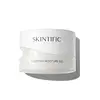
This calming moisturizer is formulated around Squalane and Bisabolol to calm redness and strengthen the skin barrier.
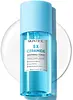
This barrier-repair toner is formulated around Bifida Ferment Lysate and Niacinamide to strengthen the skin barrier and calm redness.

What's inside
What's inside
 Key Ingredients
Benefits
Concerns
Ingredients Side-by-side
Water
Skin ConditioningButylene Glycol
Humectant

Diethoxyethyl Succinate
SolventSqualane
Emollient
Cetearyl Olivate


Sorbitan Olivate
Emulsifying
Dimethicone
Emollient

Ammonium Acryloyldimethyltaurate/Vp Copolymer
Hydroxyacetophenone
Antioxidant
Hexanediol
SolventCetearyl Alcohol
Emollient




Coco-Caprylate/Caprate
Emollient
Cyanocobalamin
Skin ConditioningLactobacillus/Soymilk Ferment Filtrate
Skin ConditioningPentylene Glycol
Skin Conditioning
Acrylates/C10-30 Alkyl Acrylate Crosspolymer
Emulsion StabilisingBisabolol
Antioxidant

Portulaca Oleracea Extract
Skin Conditioning
Ceramide Ns
Skin Conditioning
Sodium Hyaluronate
Humectant
Hydroxyphenyl Propamidobenzoic Acid
Skin ConditioningCitric Acid
Buffering

Centella Asiatica Extract
Cleansing
Asiaticoside
Antioxidant
Water, Butylene Glycol, Diethoxyethyl Succinate, Squalane, Cetearyl Olivate, Sorbitan Olivate, Dimethicone, Ammonium Acryloyldimethyltaurate/Vp Copolymer, Hydroxyacetophenone, Hexanediol, Cetearyl Alcohol, Coco-Caprylate/Caprate, Cyanocobalamin, Lactobacillus/Soymilk Ferment Filtrate, Pentylene Glycol, Acrylates/C10-30 Alkyl Acrylate Crosspolymer, Bisabolol, Portulaca Oleracea Extract, Ceramide Ns, Sodium Hyaluronate, Hydroxyphenyl Propamidobenzoic Acid, Citric Acid, Centella Asiatica Extract, Asiaticoside
Water
Skin ConditioningMethylpropanediol
SolventBifida Ferment Lysate
Skin Conditioning
Glycerin
Humectant
Niacinamide
Smoothing




Dimethicone
Emollient
Pentylene Glycol
Skin Conditioning
Dipropylene Glycol
HumectantGlycereth-26
Humectant
Centella Asiatica Extract
Cleansing
Propylene Glycol
Humectant
Maris Aqua
HumectantCeramide NP
Skin Conditioning
Panthenol
Skin Conditioning
Ceramide Ns
Skin Conditioning
Ceramide Ng
Skin Conditioning
Ceramide As
Skin Conditioning
Ceramide EOP
Skin Conditioning
Ceramide AP
Skin Conditioning
Sodium Hyaluronate
Humectant
PEG-60 Hydrogenated Castor Oil
Emulsifying
Hydroxyethyl Urea
Humectant
Bis-PEG-18 Methyl Ether Dimethyl Silane
Emollient4-T-Butylcyclohexanol
Masking

Ubiquinone
Antioxidant
PEG-10 Dimethicone
Skin Conditioning
Isononyl Isononanoate
EmollientAmmonium Acryloyldimethyltaurate/Beheneth-25 Methacrylate Crosspolymer
Emulsion StabilisingBisabolol
Antioxidant
Ectoin
Skin Conditioning
Ammonium Polyacryloyldimethyl Taurate
Emulsion StabilisingTocopherol
Antioxidant
Lactobacillus/Soymilk Ferment Filtrate
Skin ConditioningHydrogenated Lecithin
Emulsifying
Hamamelis Virginiana Extract
Antiseborrhoeic

Zingiber Officinale Root Extract
Masking
1,2-Hexanediol
Skin Conditioning
Polyacrylate Crosspolymer-6
Emulsion StabilisingC12-20 Alkyl Glucoside
EmulsifyingO-Cymen-5-Ol
Antimicrobial
Hydroxyacetophenone
Antioxidant
Dimethiconol
Emollient
Sodium Polyacrylate
Absorbent
Glucose
Humectant
Water, Methylpropanediol, Bifida Ferment Lysate, Glycerin, Niacinamide, Dimethicone, Pentylene Glycol, Dipropylene Glycol, Glycereth-26, Centella Asiatica Extract, Propylene Glycol, Maris Aqua, Ceramide NP, Panthenol, Ceramide Ns, Ceramide Ng, Ceramide As, Ceramide EOP, Ceramide AP, Sodium Hyaluronate, PEG-60 Hydrogenated Castor Oil, Hydroxyethyl Urea, Bis-PEG-18 Methyl Ether Dimethyl Silane, 4-T-Butylcyclohexanol, Ubiquinone, PEG-10 Dimethicone, Isononyl Isononanoate, Ammonium Acryloyldimethyltaurate/Beheneth-25 Methacrylate Crosspolymer, Bisabolol, Ectoin, Ammonium Polyacryloyldimethyl Taurate, Tocopherol, Lactobacillus/Soymilk Ferment Filtrate, Hydrogenated Lecithin, Hamamelis Virginiana Extract, Zingiber Officinale Root Extract, 1,2-Hexanediol, Polyacrylate Crosspolymer-6, C12-20 Alkyl Glucoside, O-Cymen-5-Ol, Hydroxyacetophenone, Dimethiconol, Sodium Polyacrylate, Glucose
Reviews
Ingredients Explained
These ingredients are found in both products.
Ingredients higher up in an ingredient list are typically present in a larger amount.
Bisabolol is a gentle skin conditioner, antioxidant, and soothing ingredient.
It's primary claim to fame is soothing and research shows topically applied bisabolol can quiet the chemical messengers that cause your skin to become inflamed, helping to sooth any irritation.
A clinical study found that applying 0.5% bisabolol daily for 8 weeks produced an average 9% decrease in skin pigmentation. Researchers found it can also suppress the process that leads to excess melanin production in skin.
In vitro studies found that bisabolol combined with propylene glycol significantly increased skin permeability by increasing lipid fluidity in the stratum corneum.
You'll likely see use concentrations quite low, usually 0.1-0.2%.
Overall, this is a well-tolerated ingredient that works well in formulas designed for sensitive, reactive, or post-procedure skin.
Learn more about BisabololCentella Asiatica Extract (Centella) is one of the most researched botanical extracts in skincare with decades of studies backing its effects on inflammation, collagen, and the skin barrier.
That research keeps pointing back to the same four triterpenoid saponins: Asiaticoside, Madecassoside, Asiatic Acid, and Madecassic Acid.
These compounds allow centella to dial back inflammation, encourage the skin to build and hold onto collagen, support the barrier and hydration, and bring solid antioxidant activity to protect against signs of aging.
Centella also carries a nice supporting cast of Vitamin A, vitamin C, several B vitamins, and amino acids. Put it all together and you get an ingredient that soothes, hydrates, and protects, all at once.
Most of centella's magic comes from the four big compounds (Asiaticoside, Madecassoside, Asiatic Acid, and Madecassic Acid). These are the actives doing the heavy lifting in almost every centella study.
Here is the short version of what they do in the skin:
So it is not just soothing for the sake of soothing. Centella calms the skin AND helps it rebuild.
Just FYI, not all centella on an ingredient list is the same. What you are getting actually depends on the extract:
Fun fact on the ratios: the leaves tend to be richest in Madecassoside and Asiaticoside, and lower in the two acids. The exact amounts shift with where the plant is grown and how it is processed. This means purity really does vary brand to brand.
Centella is one of the most easygoing actives out there.
It layers well with basically everything: niacinamide, hyaluronic acid, peptides, and vitamin C, and also pairs nicely with stronger actives like retinoids and exfoliating acids where it can help take the edge off irritation.
On the safety side, centella and its triterpenes are classified as weak sensitizers, meaning allergic reactions are possible but uncommon.
Patch tests at 1% and 5% came back negative in test panels, and creams at typical use levels did not cause allergic reactions across large groups of people.
But as with any new active, a patch test is still a smart move for very reactive skin.
Centella is widely used because it is effective at low percentages. For context, human safety testing found no meaningful irritation from creams containing centella extract at everyday use levels (the tested amounts were well under 1%).
The irritancy threshold in animal testing was also above 30% (so real-world formulas sit far below anything concerning).
In collagen lab studies, higher concentrations drove more collagen synthesis, so serums built around centella tend to feature it more prominently.
Bottom line: you will find centella working nicely anywhere from a fraction of a percent up to hero-ingredient levels depending on whether it is a supporting soother or the main event.
Fun fact: Centella has been used as a medicine and in food for many centuries. As a medicine, it is used to treat burns, scratches, and wounds.
Learn more about Centella Asiatica ExtractCeramide NS is formally known as Ceramide 2. It is one of the major ceramides in the stratum corneum (outermost layer of skin) plays a role in forming a protective barrier.
Due to its structure, skin lipids can be packed tightly and in turn, this strengthens the barrier and reduces water loss.
Studies show conditions like atopic dermatitis can worsen when ceramide NS levels are low.
Learn more about Ceramide NsDimethicone is a type of synthetic silicone created from natural materials such as quartz. It is also known as polydimethylsiloxane.
What it does:
Dimethicone comes in different viscosities:
Depending on the viscosity, dimethicone has different properties.
Ingredients lists don't always show which type is used, so we recommend reaching out to the brand if you have questions about the viscosity.
This ingredient is unlikely to cause irritation because it does not get absorbed into skin. However, people with silicone allergies should be careful about using this ingredient.
Note: Dimethicone may contribute to pilling. This is because it is not oil or water soluble, so pilling may occur when layered with products. When mixed with heavy oils in a formula, the outcome is also quite greasy.
Learn more about DimethiconeHydroxyacetophenone is a small phenolic molecule that earns its place in a formulas as an antioxidant and preservative booster.
As a phenol, it is able to neutralize free radicals to protect both the product and the skin from oxidative stress.
Though it can't kill microbes on its own, it works as a good supporting agent when combined with other preservatives like Phenoxyethanol or 1,2-Hexanediol.
This ingredient naturally occurs as piceol in Norwegian spruce needles (~0.4-1.1% dry weight and in cloudberries). Though the cosmetic-grade material is synthesized for purity and consistency.
You'll usually see it used at low levels and suppliers recommend up to 1% added to a water phase.
Safety testing was done at concentrations like 0.05% in SPF products and 0.5% in a Human Repeated Insult Patch Test. The safety evidence is assuring; this ingredient is safe for cosmetics in current use and also holds safety status as a food flavoring as well.
An honest caveat: the "soothing" and "anti-inflammatory" claims come mostly from supplier marketing rather than published clinical trials. The Cosmetic Ingredient Review's own literature search found no useful efficacy studies on this ingredient.
So the antioxidant and preservative-boosting roles are the well supported ones while the calming benefit is plausible but thinly evidenced.
Overall, this is a well-tolerated, low-irritation multitasker that quietly helps a formula stay fresh and stable.
Learn more about HydroxyacetophenoneThis ingredient is a filtrate from soymilk that has been fermented with Lactobacillus. The word "filtrate" means you're getting fermentation by-products, not live probiotic bacteria.
It is a gentle skin conditioning ingredient used to help skin feel softer, calmer, and more hydrated. In cosmetic research, "probiotic/postbiotic" style ingredients are commonly discussed in the context of supporting the skin's micro-ecology and barrier function.
Just be cautious if you're allergic to soy, and be sure to patch test even though it's processed/filtered.
Learn more about Lactobacillus/Soymilk Ferment FiltratePentylene Glycol (1,2-pentanediol) is a multitasking little diol with three main roles in a formula:
Research on alkanediols (the family pentylene glycol belongs to) show they work by disrupting microbial cell membranes. This disruption helps the primary preservative system in a product work more effectively at lower doses.
On the safety side, the Cosmetic Ingredient Review Expert Panel has concluded this ingredient to be safe as used in current cosmetic practices + concentrations.
Typical use levels in a formula run about 1-5%.
Learn more about Pentylene GlycolSodium Hyaluronate is the salt form of hyaluronic acid. It is a long sugar chain that is naturally found in your skin, joints, and connective tissue that maintains hydration and elasticity.
In skincare, it works as a humectant. It pulls water from the environment and deeper layers of skin and binds it to the surface.
Interestingly, the size of the molecule affects its behavior:
Some clinical evidence links low molecular weight versions to improved wrinkle depth, elasticity, anti-inflammatory effects, and barrier repair.
Many serums use a blend of both weights so you can get surface hydration plus longer-lasting and deeper effects.
You'll typically see concentrations between 0.1-2% for this ingredient.
Learn more about Sodium HyaluronateWater. It's the most common cosmetic ingredient of all. You'll usually see it at the top of ingredient lists, meaning that it makes up the largest part of the product.
So why is it so popular? Water most often acts as a solvent - this means that it helps dissolve other ingredients into the formulation.
You'll also recognize water as that liquid we all need to stay alive. If you see this, drink a glass of water. Remember to stay hydrated!
Learn more about Water


