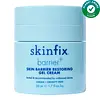
This barrier-repair moisturizer is formulated around Squalane and Niacinamide to strengthen the skin barrier and balance excess oil.
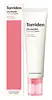
This anti-aging moisturizer is formulated around Collagen Extract and Niacinamide to soften the look of wrinkles and hydrate skin.


What's inside
What's inside
 Key Ingredients
Benefits
Concerns
No concerns
Ingredients Side-by-side
Water
Skin ConditioningSqualane
Emollient


Propanediol
Solvent
Niacinamide
Smoothing









Triheptanoin
Skin ConditioningSaccharide Isomerate
Humectant
Ammonium Acryloyldimethyltaurate/Vp Copolymer
Zinc PCA
Humectant
Hydrolyzed Hyaluronic Acid
Humectant
Allantoin
Skin Conditioning
Camellia Sinensis Seed Extract
Humectant
Leptospermone
Skin ConditioningFlavesone
Skin ConditioningIsoleptospermone
Skin ConditioningAcetyl Heptapeptide-4
Humectant
Citric Acid
Buffering

Sodium Citrate
BufferingCaprylyl Glycol
Emollient
Trisodium Ethylenediamine Disuccinate
ChelatingC12-20 Alkyl Glucoside
EmulsifyingC14-22 Alcohols
Emulsion Stabilising
Ethylhexylglycerin
Skin ConditioningPotassium Sorbate
Preservative
Phenoxyethanol
Preservative
Water, Squalane, Propanediol, Niacinamide, Triheptanoin, Saccharide Isomerate, Ammonium Acryloyldimethyltaurate/Vp Copolymer, Zinc PCA, Hydrolyzed Hyaluronic Acid, Allantoin, Camellia Sinensis Seed Extract, Leptospermone, Flavesone, Isoleptospermone, Acetyl Heptapeptide-4, Citric Acid, Sodium Citrate, Caprylyl Glycol, Trisodium Ethylenediamine Disuccinate, C12-20 Alkyl Glucoside, C14-22 Alcohols, Ethylhexylglycerin, Potassium Sorbate, Phenoxyethanol
Water
Skin ConditioningButylene Glycol
Humectant
Glycerin
Humectant
Collagen Extract
Skin Conditioning
Caprylic/Capric Triglyceride
Masking
Niacinamide
Smoothing
1,2-Hexanediol
Skin Conditioning
Cetearyl Olivate

Cetyl Ethylhexanoate
EmollientSoluble Collagen
Humectant
Hydrolyzed Collagen
Emollient
Collagen Amino Acids
Moisturising
Collagen
Moisturising
Hexapeptide-2
Bleaching
Panthenol
Skin Conditioning
Allantoin
Skin Conditioning
Hydrolyzed Hyaluronic Acid
Humectant
Sodium Hyaluronate
Humectant
Hydroxyethyl Acrylate/Sodium Acryloyldimethyl Taurate Copolymer
Emulsion StabilisingSodium Hyaluronate Crosspolymer
Humectant
Potassium Hyaluronate
Skin ConditioningHydroxypropyltrimonium Hyaluronate
Hyaluronic Acid
Humectant
Sodium Acetylated Hyaluronate
Humectant
Heptyl Undecylenate
EmollientGlyceryl Stearate
Emollient
C10-18 Triglycerides
Emollient
Acrylates/C10-30 Alkyl Acrylate Crosspolymer
Emulsion StabilisingValine
MaskingThreonine
Proline
Skin Conditioning
Isoleucine
Skin ConditioningHistidine
Humectant
Methionine
Skin ConditioningCysteine
Antioxidant
Biotin
AntiseborrhoeicPentylene Glycol
Skin Conditioning
Glycine
Buffering
Serine
Masking
Glutamic Acid
Humectant
Aspartic Acid
Masking
Leucine
Skin ConditioningAlanine
Masking
Lysine
Skin ConditioningArginine
Masking
Tyrosine
MaskingPhenylalanine
Masking
Adenosine
Skin Conditioning
Sorbitan Olivate
Emulsifying
Sorbitan Isostearate
Emulsifying
Cetearyl Alcohol
Emollient


Vinyldimethicone

Tromethamine
BufferingGlyceryl Acrylate/Acrylic Acid Copolymer
HumectantPvm/Ma Copolymer
Emulsion StabilisingXanthan Gum
EmulsifyingDisodium EDTA
ChelatingEthylhexylglycerin
Skin ConditioningWater, Butylene Glycol, Glycerin, Collagen Extract, Caprylic/Capric Triglyceride, Niacinamide, 1,2-Hexanediol, Cetearyl Olivate, Cetyl Ethylhexanoate, Soluble Collagen, Hydrolyzed Collagen, Collagen Amino Acids, Collagen, Hexapeptide-2, Panthenol, Allantoin, Hydrolyzed Hyaluronic Acid, Sodium Hyaluronate, Hydroxyethyl Acrylate/Sodium Acryloyldimethyl Taurate Copolymer, Sodium Hyaluronate Crosspolymer, Potassium Hyaluronate, Hydroxypropyltrimonium Hyaluronate, Hyaluronic Acid, Sodium Acetylated Hyaluronate, Heptyl Undecylenate, Glyceryl Stearate, C10-18 Triglycerides, Acrylates/C10-30 Alkyl Acrylate Crosspolymer, Valine, Threonine, Proline, Isoleucine, Histidine, Methionine, Cysteine, Biotin, Pentylene Glycol, Glycine, Serine, Glutamic Acid, Aspartic Acid, Leucine, Alanine, Lysine, Arginine, Tyrosine, Phenylalanine, Adenosine, Sorbitan Olivate, Sorbitan Isostearate, Cetearyl Alcohol, Vinyldimethicone, Tromethamine, Glyceryl Acrylate/Acrylic Acid Copolymer, Pvm/Ma Copolymer, Xanthan Gum, Disodium EDTA, Ethylhexylglycerin
Reviews
Ingredients Explained
These ingredients are found in both products.
Ingredients higher up in an ingredient list are typically present in a larger amount.
Allantoin is a soothing ingredient known for its protective and moisturizing properties; it's basically a quiet workhorse ingredient you can find in a huge range of cosmetics.
Though it can be derived from the comfrey plant, allantoin is produced synthetically for cosmetic products to ensure purity.
Research shows it can encourage your skin cells to turn over and renew by stimulating keratinocyte and fibroblast proliferation.
It also has mild keratolytic properties to help loosen and shed dead skin cells without being harsh.
Studies also suggest allantoin can help calm inflammation by dialing down some of the chemical signals your skin sends out when it is irritated.
This ingredient is typically used in the 0.1-0.5% range, and the FDA recognizes it as a skin protectant in OTC products up to 2%.
Overall, allantoin is a wonderful addition to most routines; it is stable across a wide pH range (~4-8), works well with other ingredients, and is considered non-sensitizing/non-irritating.
Fun fact: Allantoin is naturally occurring in comfrey root, beets, chamomile, and wheat sprouts. Our bodies even produce it as a byproduct of uric acid metabolism.
Learn more about AllantoinEthylhexylglycerin is created from glycerin. It is a multitasker ingredient that:
The CIR Expert Panel found minimal skin absorption or sensitization of any kind in a safety assessment. Though this ingredient is considered well-tolerated, a small number of cases of allergic dermatitis have been published since 2002. Just be sure to patch test if you are unsure.
Industry-reported use ranges from 8% in rinse-off products and 2% in leave-on formulations.
Learn more about EthylhexylglycerinHydrolyzed Hyaluronic Acid is hyaluronic acid (HA) that is broken down into lower molecular weight fragments.
It's a humectant that pulls and holds water in the skin to help with hydration, plumpness, and reduce transepidermal water loss.
Because hydrolyzed hyaluronic acid is smaller in size, it can slip past your outermost layer of skin more easily than full-sized HA.
Most formulations will combine all sizes to get the best of both worlds.
Typical usage levels range from 0.01-1%. Any percentage higher than 2% might become goopy and tacky.
Learn more about Hydrolyzed Hyaluronic AcidNiacinamide is a multitasking form of vitamin B3 that strengthens the skin barrier, reduces pores and dark spots, regulates oil, and improves signs of aging.
And the best part? It's gentle and well-tolerated by most skin types, including sensitive and reactive skin.
You might have heard of "niacin flush", or the reddening of skin that causes itchiness. Niacinamide has not been found to cause this.
In very rare cases, some individuals may not be able to tolerate niacinamide at all or experience an allergic reaction to it.
If you are experiencing flaking, irritation, and dryness with this ingredient, be sure to double check all your products as this ingredient can be found in all categories of skincare.
When incorporating niacinamide into your routine, look out for concentration amounts. Typically, 5% niacinamide provides benefits such as fading dark spots. However, if you have sensitive skin, it is better to begin with a smaller concentration.
When you apply niacinamide to your skin, your body converts it into nicotinamide adenine dinucleotide (NAD). NAD is an essential coenzyme that is already found in your cells as "fuel" and powers countless biological processes.
In your skin, NAD helps repair cell damage, produce new healthy cells, support collagen production, strengthen the skin barrier, and fight environmental stressors (like UV and pollution).
Our natural NAD levels start to decline with age, leading to slower skin repair, visible aging, and a weaker skin barrier. By providing your skin niacinamide, you're recharging your skin's NAD levels. This leads to stronger, healthier, and younger looking skin.
Another name for vitamin B3 is nicotinamide. This vitamin is water-soluble and our bodies don't store it. We obtain Vitamin B3 from either food or skincare. Meat, fish, wheat, yeast, and leafy greens contain vitamin B3.
The type of niacinamide used in skincare is synthetically created.
Learn more about NiacinamideWater. It's the most common cosmetic ingredient of all. You'll usually see it at the top of ingredient lists, meaning that it makes up the largest part of the product.
So why is it so popular? Water most often acts as a solvent - this means that it helps dissolve other ingredients into the formulation.
You'll also recognize water as that liquid we all need to stay alive. If you see this, drink a glass of water. Remember to stay hydrated!
Learn more about Water

