Skin&Lab Red Serum Versus ISOI Blemish Care Serum
This calming serum is formulated around Punica Granatum Fruit Extract and Niacinamide to calm redness.
This brightening serum is formulated around Rosa Damascena Flower Water and Arbutin to fade the look of dark spots and calm redness.

What's inside
What's inside
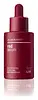 Key Ingredients
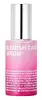
Benefits
Concerns
Ingredients Side-by-side
Water
Skin ConditioningButylene Glycol
Humectant

Glycerin
Humectant
Betaine
Humectant
Hamamelis Virginiana Leaf Extract
Skin Conditioning

Punica Granatum Fruit Extract
Antioxidant

Niacinamide
Smoothing







PEG-60 Hydrogenated Castor Oil
Emulsifying


Dioscorea Villosa Root Extract
Skin Conditioning
Vaccinium Angustifolium Fruit Extract
Skin Protecting
Lycium Chinense Fruit Extract
Antioxidant
Rubus Idaeus Fruit Extract
AstringentEuterpe Oleracea Fruit Extract
1,2-Hexanediol
Skin Conditioning
Alcohol
Antimicrobial

Allantoin
Skin Conditioning
Carbomer
Emulsion StabilisingArginine
Masking
Dipotassium Glycyrrhizate
Humectant
Boswellia Serrata Resin Extract
SmoothingPrunus Amygdalus Dulcis Seed Extract
Skin ConditioningSodium Hyaluronate
Humectant
Adenosine
Skin Conditioning
Phenoxyethanol
Preservative
Disodium EDTA
ChelatingJasminum Officinale Oil
Masking


Lecithin
Emollient
Lepidium Sativum Sprout Extract
Skin ConditioningWater, Butylene Glycol, Glycerin, Betaine, Hamamelis Virginiana Leaf Extract, Punica Granatum Fruit Extract, Niacinamide, PEG-60 Hydrogenated Castor Oil, Dioscorea Villosa Root Extract, Vaccinium Angustifolium Fruit Extract, Lycium Chinense Fruit Extract, Rubus Idaeus Fruit Extract, Euterpe Oleracea Fruit Extract, 1,2-Hexanediol, Alcohol, Allantoin, Carbomer, Arginine, Dipotassium Glycyrrhizate, Boswellia Serrata Resin Extract, Prunus Amygdalus Dulcis Seed Extract, Sodium Hyaluronate, Adenosine, Phenoxyethanol, Disodium EDTA, Jasminum Officinale Oil, Lecithin, Lepidium Sativum Sprout Extract
Water
Skin ConditioningRosa Damascena Flower Water
Masking
Glycerin
Humectant
Alcohol
Antimicrobial
Betaine
Humectant
Arbutin
Antioxidant
Trehalose
Humectant
Rosa Damascena Flower Oil
Masking
Arctostaphylos Uva-Ursi Leaf Extract
Skin Conditioning
Rhodiola Rosea Root Extract
EmollientHippophae Rhamnoides Fruit Extract
Skin Conditioning
Euterpe Oleracea Fruit Extract
Vaccinium Angustifolium Fruit Extract
Skin Protecting
Phyllanthus Emblica Fruit Extract
HumectantVaccinium Macrocarpon Fruit Extract
AstringentSophora Flavescens Root Extract
Antioxidant
Houttuynia Cordata Extract
Skin Conditioning
Xanthan Gum
EmulsifyingAllantoin
Skin Conditioning
Panthenol
Skin Conditioning
Adansonia Digitata Leaf Extract
Skin ConditioningCastanea Crenata Shell Extract
Skin ConditioningSalix Alba Bark Extract
Astringent
Centella Asiatica Extract
Cleansing
Butylene Glycol
Humectant
1,2-Hexanediol
Skin Conditioning
Calendula Officinalis Flower Extract
Masking
Scutellaria Baicalensis Root Extract
Astringent
Paeonia Suffruticosa Root Extract
Skin ProtectingGlycyrrhiza Glabra Root Extract
Bleaching
Citronellol
Perfuming
Geraniol
Perfuming
Water, Rosa Damascena Flower Water, Glycerin, Alcohol, Betaine, Arbutin, Trehalose, Rosa Damascena Flower Oil, Arctostaphylos Uva-Ursi Leaf Extract, Rhodiola Rosea Root Extract, Hippophae Rhamnoides Fruit Extract, Euterpe Oleracea Fruit Extract, Vaccinium Angustifolium Fruit Extract, Phyllanthus Emblica Fruit Extract, Vaccinium Macrocarpon Fruit Extract, Sophora Flavescens Root Extract, Houttuynia Cordata Extract, Xanthan Gum, Allantoin, Panthenol, Adansonia Digitata Leaf Extract, Castanea Crenata Shell Extract, Salix Alba Bark Extract, Centella Asiatica Extract, Butylene Glycol, 1,2-Hexanediol, Calendula Officinalis Flower Extract, Scutellaria Baicalensis Root Extract, Paeonia Suffruticosa Root Extract, Glycyrrhiza Glabra Root Extract, Citronellol, Geraniol
Ingredients Explained
These ingredients are found in both products.
Ingredients higher up in an ingredient list are typically present in a larger amount.
1,2-Hexanediol is a synthetic liquid and another multi-functional powerhouse.
It is a:
- Humectant, drawing moisture into the skin
- Emollient, helping to soften skin
- Solvent, dispersing and stabilizing formulas
- Preservative booster, enhancing the antimicrobial activity of other preservatives
This ingredient is also called ethanol or ethyl alcohol. It is denatured, meaning made undrinkable for cosmetic use.
In formulas, it:
Is it bad for your skin?
The answer comes down to concentration. Patch and wash studies have found highly concentrated alcohol-based hand rubs (60-100%) cause less barrier disruption than washing with a basic detergent like SLS. The only measurable effect in these studies was a temporary dip in skin hydration.
Concentrations below 12-15% in leave-on cosmetics is generally well-tolerated. Concentrations above start to see increased transepidermal water loss (TEWL) and reduced hydration.
In concentrations about 58%, it creates temporary channels in your skin's lipid layers to become more permeable and allow other ingredients to slip through easily.
This ingredient can be up to 80% of the formula in alcohol-based perfumes.
Overall, this ingredient is probably harmless if found lower down an ingredients list but worth side-eyeing if it's high up (especially if your barrier is already struggling).
Alcohol can worsen dry skin, eczema, and oily skin, especially at higher concentrations. This is because it can increase transepidermal water loss and decrease hydration to disrupt the skin barrier.
According to the National Rosacea Society based in the US, you should be mindful of products with these alcohols in the top half of ingredients.
True allergic contact dermatitis to ethanol is uncommon, but be sure to patch test if you have dry or sensitive skin.
Learn more about AlcoholAllantoin is a soothing ingredient known for its protective and moisturizing properties; it's basically a quiet workhorse ingredient you can find in a huge range of cosmetics.
Though it can be derived from the comfrey plant, allantoin is produced synthetically for cosmetic products to ensure purity.
Research shows it can encourage your skin cells to turn over and renew by stimulating keratinocyte and fibroblast proliferation.
It also has mild keratolytic properties to help loosen and shed dead skin cells without being harsh.
Studies also suggest allantoin can help calm inflammation by dialing down some of the chemical signals your skin sends out when it is irritated.
This ingredient is typically used in the 0.1-0.5% range, and the FDA recognizes it as a skin protectant in OTC products up to 2%.
Overall, allantoin is a wonderful addition to most routines; it is stable across a wide pH range (~4-8), works well with other ingredients, and is considered non-sensitizing/non-irritating.
Fun fact: Allantoin is naturally occurring in comfrey root, beets, chamomile, and wheat sprouts. Our bodies even produce it as a byproduct of uric acid metabolism.
Learn more about AllantoinBetaine is a humectant. Like hyaluronic acid, it helps attract and retain moisture in the skin. It’s known for being gentle and for helping the skin maintain balanced hydration.
Betaine is mainly used to improve hydration and support calmer skin. It helps skin cells regulate water balance because it functions as an osmolyte.
Some studies suggest betaine may support making skin tone more even.
Fun fact: Betaine naturally exists in the skin and the body. In cosmetic products, it can be either plant-derived (most commonly from sugar beets) or synthetically produced for consistency and stability.
Betaine is also known as trimethylglycine.
Learn more about BetaineButylene Glycol (or BG) is used within cosmetic products for a few different reasons:
Overall, Butylene Glycol is a safe and well-rounded ingredient that works well with other ingredients.
Though this ingredient works well with most skin types, some people with sensitive skin may experience a reaction such as allergic rashes, closed comedones, or itchiness.
Learn more about Butylene GlycolThis extract comes from the Cabbage Palm, AKA the Açaí berry! It has skin soothing and antioxidant properties.
Acai berries are rich in antioxidants, including ferulic acid (The famous vitamin C stabilizer). Antioxidants protect your skin against damaging free-radical molecules.
You can also find carbohydrates, lipids, proteins, minerals, vitamin A, and Vitamin C in these berries.
Learn more about Euterpe Oleracea Fruit ExtractGlycerin (or glycerol) is a compound naturally found in your skin. It's a powerhouse humectant that pulls water into the stratum corneum.
Topically, glycerin does several things at once:
Your skin makes glycerin on its own (mostly from sebaceous oil breakdown) and shuttles it to your outermost layer of skin, or your epidermis, via aquaporin-3.
Aquaporin-3 is a transporter that is essential for normal skin hydration, elasticity, and repair. Interestingly, mice lacking in AQP3 have dry and less elastic skin that can be fully corrected with glycerin.
This ingredient is non-irritating, plays well with almost every ingredient, and works across all skin types. Typical use is anywhere between 3-10% but can go up to 79% in some leave-on products.
Just know very high concentrations (>40%) can feel tacky in low humidity.
Glycerin is the name for this ingredient in American English. British English uses Glycerol/Glycerine.
Learn more about GlycerinThis extract comes from the blueberry native to North America. It has great antioxidant and skin soothing properties.
The antioxidant properties from blueberries come from its polyphenolic and vitamin C content. Polyphenols are a compound famous for their antioxidant properties and are commonly found in fruits.
A 2023 study found blueberries to protect skin from UV-B related inflammation. However, this ingredient should not replace your sunscreen.
Learn more about Vaccinium Angustifolium Fruit ExtractWater. It's the most common cosmetic ingredient of all. You'll usually see it at the top of ingredient lists, meaning that it makes up the largest part of the product.
So why is it so popular? Water most often acts as a solvent - this means that it helps dissolve other ingredients into the formulation.
You'll also recognize water as that liquid we all need to stay alive. If you see this, drink a glass of water. Remember to stay hydrated!
Learn more about Water

