

What's inside
What's inside
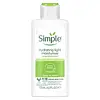 Key Ingredients
Benefits
Concerns
Ingredients Side-by-side
Water
Skin ConditioningGlycerin
Humectant



Paraffinum Liquidum
Emollient


Polyglyceryl-3 Methylglucose Distearate
Emulsifying
Cetyl Palmitate
Emollient
Dimethicone
Emollient
Panthenol
Skin Conditioning

Tocopheryl Acetate
Antioxidant

Borago Officinalis Seed Oil
Emollient
Pantolactone
Humectant
Bisabolol
Masking
Sodium Lactate
BufferingLactic Acid
Buffering






Serine
Masking
Urea
Buffering
Sorbitol
Humectant
Allantoin
Skin Conditioning
Sodium Chloride
Masking

Potassium Hydroxide
BufferingCarbomer
Emulsion StabilisingAcrylates/C10-30 Alkyl Acrylate Crosspolymer
Emulsion StabilisingCetyl Alcohol
Emollient
Pentylene Glycol
Skin ConditioningDisodium EDTA
Methylparaben
Preservative


Propylparaben
Preservative
2-Bromo-2-Nitropropane-1,3-Diol
Preservative
Mica
Cosmetic Colorant
Titanium Dioxide
Cosmetic Colorant
Water, Glycerin, Paraffinum Liquidum, Polyglyceryl-3 Methylglucose Distearate, Cetyl Palmitate, Dimethicone, Panthenol, Tocopheryl Acetate, Borago Officinalis Seed Oil, Pantolactone, Bisabolol, Sodium Lactate, Lactic Acid, Serine, Urea, Sorbitol, Allantoin, Sodium Chloride, Potassium Hydroxide, Carbomer, Acrylates/C10-30 Alkyl Acrylate Crosspolymer, Cetyl Alcohol, Pentylene Glycol, Disodium EDTA, Methylparaben, Propylparaben, 2-Bromo-2-Nitropropane-1,3-Diol, Mica, Titanium Dioxide
Hyaluronic Acid
Humectant
Glycerin
Humectant
Caprylic/Capric Triglyceride
Masking
Cetyl Alcohol
Emollient
Stearic Acid
Cleansing
Ceteareth-29
Cleansing
Propylene Glycol
Humectant
Ceramide AP
Skin Conditioning
Tocopheryl Acetate
Antioxidant
Aloe Barbadensis Leaf Extract
Emollient
Titanium Dioxide
Cosmetic Colorant
Phenoxyethanol
Preservative
Caprylyl Glycol
Emollient
Ethylhexyl Methoxycinnamate
UV Absorber
Carbomer
Emulsion StabilisingCyclomethicone
Emollient
Triethanolamine
BufferingDisodium EDTA
Hyaluronic Acid, Glycerin, Caprylic/Capric Triglyceride, Cetyl Alcohol, Stearic Acid, Ceteareth-29, Propylene Glycol, Ceramide AP, Tocopheryl Acetate, Aloe Barbadensis Leaf Extract, Titanium Dioxide, Phenoxyethanol, Caprylyl Glycol, Ethylhexyl Methoxycinnamate, Carbomer, Cyclomethicone, Triethanolamine, Disodium EDTA
Reviews
Ingredients Explained
These ingredients are found in both products.
Ingredients higher up in an ingredient list are typically present in a larger amount.
Carbomer is a polymer of acrylic acid. Its main role is to create a gel consistency.
A high amount of carbomer can cause pilling or balling up of products. Don't worry, most products contain 1% or less of carbomer.
Cetyl Alcohol is a fatty alcohol. Fatty Alcohols are most often used as an emollient or to thicken a product.
Its main roles are:
Though it has "alcohol" in the name, it is not related to denatured alcohol or ethyl alcohol.
The FDA allows products labeled "alcohol-free" to have fatty alcohols.
Learn more about Cetyl AlcoholDisodium EDTA plays a role in making products more stable by aiding other preservatives.
It is a chelating agent, meaning it neutralizes metal ions that may be found in a product.
Disodium EDTA is a salt of edetic acid and is found to be safe in cosmetic ingredients.
Learn more about Disodium EDTAGlycerin is already naturally found in your skin. It helps moisturize and protect your skin.
A study from 2016 found glycerin to be more effective as a humectant than AHAs and hyaluronic acid.
As a humectant, it helps the skin stay hydrated by pulling moisture to your skin. The low molecular weight of glycerin allows it to pull moisture into the deeper layers of your skin.
Hydrated skin improves your skin barrier; Your skin barrier helps protect against irritants and bacteria.
Glycerin has also been found to have antimicrobial and antiviral properties. Due to these properties, glycerin is often used in wound and burn treatments.
In cosmetics, glycerin is usually derived from plants such as soybean or palm. However, it can also be sourced from animals, such as tallow or animal fat.
This ingredient is organic, colorless, odorless, and non-toxic.
Glycerin is the name for this ingredient in American English. British English uses Glycerol/Glycerine.
Learn more about GlycerinTitanium dioxide is a mineral UV filter widely used in sunscreens and cosmetics.
It is one of only two UV filters officially classified as “mineral” by regulatory agencies, the other being zinc oxide.
Titanium dioxide provides broad-spectrum protection mostly in the UVB and UVAII range, with some protection in the UVAI range.
While its UVA protection isn’t as strong as zinc oxide’s, the difference is minor.
A common myth is that mineral UV filters reflect UV light. However, modern research shows titanium dioxide absorbs UV radiation like chemical filters (~95% absorption & 5% reflection).
Thanks to its non-irritating nature, titanium dioxide is suitable for sensitive, acne-prone, or redness-prone skin. It is unlikely to cause "eye sting" like other sunscreen ingredients.
A major drawback of this ingredient is its white cast and thick texture. This is why mineral sunscreens often leave a white cast and are less cosmetically elegant than chemical/hybrid sunscreens.
To improve white cast and spreadability, micronized or nano-sized titanium dioxide is often used.
There are ongoing concerns surrounding nano-titanium oxide's impact on marine ecosystems.
There is no conclusive evidence that any form of titanium oxide (or any other sunscreen ingredients) will cause harm to marine ecosystems or coral reefs. The science is still developing but many consumers are keeping a close eye on this issue.
Please note, many destinations have reef-safety sunscreen rules. For instance, the U.S. Virgin Islands advises all visitors to use non-nano mineral sunscreens.
Nano mineral sunscreens once raised safety concerns about absorption into skin.
Extensive research has shown that they do not penetrate healthy or damaged skin; they remain safely on the surface and the top layer of dead skin (stratum corneum).
You'll likely find titanium dioxide bundled with alumina, silica, or dimethicone. These ingredients help make titanium dioxide highly photostable; this prevents it from interacting with other formula components under UV light.
Learn more about Titanium DioxideTocopheryl Acetate is AKA Vitamin E. It is an antioxidant and protects your skin from free radicals. Free radicals damage the skin by breaking down collagen.
One study found using Tocopheryl Acetate with Vitamin C decreased the number of sunburned cells.
Tocopheryl Acetate is commonly found in both skincare and dietary supplements.
Learn more about Tocopheryl Acetate
