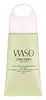
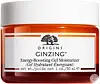
Shiseido Waso Color-Smart Day Moisturizer Oil-Free SPF 30 Versus Origins Ginzing Oil-Free Energy-Boosting Gel Moisturizer
This oil-control day moisturizer is formulated around Methyl Methacrylate Crosspolymer and Caffeine to balance excess oil.
This brightening moisturizer is formulated around Niacinamide and Panax Ginseng Root Extract to brighten dull-looking skin and balance excess oil.


What's inside
What's inside
 Key Ingredients
Benefits
Concerns
Ingredients Side-by-side
Cyclopentasiloxane
Emollient
Sd Alcohol 40-B
Astringent


Glycerin
Humectant


Methyl Methacrylate Crosspolymer

Dimethicone
Emollient
PEG-10 Dimethicone
Skin Conditioning
Polybutylene Glycol/PPG-9/1 Copolymer
Skin ConditioningLauryl PEG-9 Polydimethylsiloxyethyl Dimethicone
Skin Conditioning
Polymethylsilsesquioxane
Talc
Abrasive
Erythritol
Humectant
Silica
Abrasive
Trehalose
Humectant
Disteardimonium Hectorite
StabilisingTrimethylsiloxysilicate
Emollient
Caffeine
Skin Conditioning
Betaine
Humectant
PEG/PPG-17/4 Dimethyl Ether
Skin ConditioningPhytosteryl/Octyldodecyl Lauroyl Glutamate
Skin ConditioningDipeptide-15
Skin Conditioning
Eriobotrya Japonica Leaf Protoplasts
Antioxidant
Paeonia Albiflora Root Extract
Skin ConditioningLamium Album Flower/Leaf/Stem Extract
Skin ConditioningCitrus Junos Seed Extract
Antioxidant

Eriobotrya Japonica Leaf Extract
Skin ConditioningAluminum Hydroxide
EmollientStearic Acid
Cleansing
Isostearic Acid
Cleansing
Butylene Glycol
Humectant
Trisodium EDTA
ChelatingPolyester-1
Alcohol
Antimicrobial
Silica Dimethyl Silylate
EmollientAlumina
Abrasive
Triethoxycaprylylsilane
Hydrogen Dimethicone
BHT
Antioxidant
Tocopherol
Antioxidant



Phenoxyethanol
Preservative
Benzoic Acid
Masking
Parfum
Masking

Titanium Dioxide
Cosmetic Colorant

Iron Oxides
Mica
Cosmetic ColorantCyclopentasiloxane, Sd Alcohol 40-B, Glycerin, Methyl Methacrylate Crosspolymer, Dimethicone, PEG-10 Dimethicone, Polybutylene Glycol/PPG-9/1 Copolymer, Lauryl PEG-9 Polydimethylsiloxyethyl Dimethicone, Polymethylsilsesquioxane, Talc, Erythritol, Silica, Trehalose, Disteardimonium Hectorite, Trimethylsiloxysilicate, Caffeine, Betaine, PEG/PPG-17/4 Dimethyl Ether, Phytosteryl/Octyldodecyl Lauroyl Glutamate, Dipeptide-15, Eriobotrya Japonica Leaf Protoplasts, Paeonia Albiflora Root Extract, Lamium Album Flower/Leaf/Stem Extract, Citrus Junos Seed Extract, Eriobotrya Japonica Leaf Extract, Aluminum Hydroxide, Stearic Acid, Isostearic Acid, Butylene Glycol, Trisodium EDTA, Polyester-1, Alcohol, Silica Dimethyl Silylate, Alumina, Triethoxycaprylylsilane, Hydrogen Dimethicone, BHT, Tocopherol, Phenoxyethanol, Benzoic Acid, Parfum, Titanium Dioxide, Iron Oxides, Mica
Water
Skin ConditioningButylene Glycol
Humectant
Dicaprylyl Carbonate
EmollientSilica
Abrasive
Glycerin
Humectant
Niacinamide
Smoothing


Isopropyl Isostearate
Emollient
Citrus Limon Peel Oil
Masking


Citrus Grandis Peel Oil
Masking
Mentha Viridis Leaf Oil
Astringent
Citrus Aurantium Dulcis Peel Oil
Masking
Limonene
Perfuming
Linalool
Perfuming
Citral
Perfuming
Butyrospermum Parkii Butter
Skin Conditioning
Simmondsia Chinensis Butter
Skin Conditioning
Hydroxyethyl Urea
Humectant
Hordeum Vulgare Extract
EmollientTrehalose
Humectant
Cucumis Sativus Fruit Extract
Emollient
Panax Ginseng Root Extract
Emollient
Sodium Polyaspartate
HumectantTocopheryl Acetate
Antioxidant
Sodium PCA
Humectant
Helianthus Annuus Seedcake
Abrasive
Sorbitol
Humectant
Caffeine
Skin Conditioning
Linoleic Acid
Cleansing
Ophiopogon Japonicus Root Extract
Skin ConditioningSqualane
Emollient
Sodium Hyaluronate
Humectant
PPG-15 Stearyl Ether
EmollientAmmonium Acryloyldimethyltaurate/Vp Copolymer
Hydroxyacetophenone
Antioxidant
Carbomer
Emulsion StabilisingCaprylyl Glycol
Emollient
Xanthan Gum
EmulsifyingSodium Hydroxide
BufferingEthylhexylglycerin
Skin ConditioningDisodium EDTA
ChelatingPhenoxyethanol
Preservative
Water, Butylene Glycol, Dicaprylyl Carbonate, Silica, Glycerin, Niacinamide, Isopropyl Isostearate, Citrus Limon Peel Oil, Citrus Grandis Peel Oil, Mentha Viridis Leaf Oil, Citrus Aurantium Dulcis Peel Oil, Limonene, Linalool, Citral, Butyrospermum Parkii Butter, Simmondsia Chinensis Butter, Hydroxyethyl Urea, Hordeum Vulgare Extract, Trehalose, Cucumis Sativus Fruit Extract, Panax Ginseng Root Extract, Sodium Polyaspartate, Tocopheryl Acetate, Sodium PCA, Helianthus Annuus Seedcake, Sorbitol, Caffeine, Linoleic Acid, Ophiopogon Japonicus Root Extract, Squalane, Sodium Hyaluronate, PPG-15 Stearyl Ether, Ammonium Acryloyldimethyltaurate/Vp Copolymer, Hydroxyacetophenone, Carbomer, Caprylyl Glycol, Xanthan Gum, Sodium Hydroxide, Ethylhexylglycerin, Disodium EDTA, Phenoxyethanol
Reviews
Alternatives
Ingredients Explained
These ingredients are found in both products.
Ingredients higher up in an ingredient list are typically present in a larger amount.
Butylene Glycol (or BG) is used within cosmetic products for a few different reasons:
Overall, Butylene Glycol is a safe and well-rounded ingredient that works well with other ingredients.
Though this ingredient works well with most skin types, some people with sensitive skin may experience a reaction such as allergic rashes, closed comedones, or itchiness.
Learn more about Butylene GlycolCaffeine is a naturally occurring plant compound found in coffee beans, tea leaves, cocoa pods, and guarana.
As an antioxidant, caffeine protects your skin from free radical damage caused by UV exposure and envionrmnetal stressors.
Early research also shows that caffeine can help calm redness, soothe irritated skin, and support hair growth by stimulating microcirculation in the scalp.
You might have seen eye creams marketing caffeine as a depuffing ingredient. This is because it is a vasoconstrictor meaning it can temporarily constrict blood vessels, though clinical evidence for this specific use is still limited.
Most skincare products contain this ingredient at concentrations between 1-6%. It is able to penetrate skin easily regardless of skin type or thickness.
Just so you know, a very small number of case reports describe caffeine-induced allergy. This ingredient is generally well-tolerated, non-irritating, and non-sensitizing for the majority of people.
Learn more about CaffeineGlycerin (or glycerol) is a compound naturally found in your skin. It's a powerhouse humectant that pulls water into the stratum corneum.
Topically, glycerin does several things at once:
Your skin makes glycerin on its own (mostly from sebaceous oil breakdown) and shuttles it to your outermost layer of skin, or your epidermis, via aquaporin-3.
Aquaporin-3 is a transporter that is essential for normal skin hydration, elasticity, and repair. Interestingly, mice lacking in AQP3 have dry and less elastic skin that can be fully corrected with glycerin.
This ingredient is non-irritating, plays well with almost every ingredient, and works across all skin types. Typical use is anywhere between 3-10% but can go up to 79% in some leave-on products.
Just know very high concentrations (>40%) can feel tacky in low humidity.
Glycerin is the name for this ingredient in American English. British English uses Glycerol/Glycerine.
Learn more about GlycerinPhenoxyethanol is one of the most widely used preservatives in skincare (and for good reason!).
It has a large spectrum of antimicrobial activity and especially effective bacteria, yeast, and mold while only having a weak effect on your skin's natural microbiome.
On a cellular level, it disrupts the cell membranes of microbes by poking holes that make the cell leak. This shuts down the chemical reactions the microbe needs to make energy so it can no longer survive.
Another perk of this ingredient is that it stays functional across a wide pH range (3-10).
You'll often see it paired with boosters like Ethylhexylglycerin; one study showed that a 1:9 ratio of Ethylhexylglycerin to Phenoxyethanol damages bacterial membranes as effectively as doubling the Phenoxyethanol concentration on its own.
Typical use concentrations range from 0.3-1% depending on the formula, and this ingredient is capped at 1% int the EU.
Safety-wise, the fear mongering does not hold up to the evidence. The EU's Scientific Committee on Consumer Safety and FDA consider it safe as a preservative at up to 1%, including for children of all ages.
Adverse systemic effects only showed up in animal studies at exposures roughly 200x higher than what people get from cosmetics. And despite its very widespread use, this ingredient is a rare sensitizer and allergic reactions are uncommon.
Learn more about PhenoxyethanolSilica, also known as silicon dioxide, is a naturally occurring mineral. It is used as a fine, spherical, and porous powder in cosmetics.
Though it has exfoliant properties, the function of silica varies depending on the product.
The unique structure of silica enhances the spreadability and adds smoothness, making it a great texture enhancer.
It is also used as an active carrier, emulsifier, and mattifier due to its ability to absorb excess oil.
In some products, tiny microneedles called spicules are made from silica or hydrolyzed sponge. When you rub them in, they lightly polish away dead skin layers and enhance the penetration of active ingredients.
Learn more about SilicaTrehalose is a disaccharide made of two glucose molecules (glucose is sugar!). Trehalose is used to help moisturize skin. It also has antioxidant properties.
As a humectant, trehalose helps draw moisture from the air to your skin. This helps keep your skin hydrated.
Due to its antioxidant properties, trehalose may help with signs of aging. Antioxidants help fight free-radical molecules, unstable molecules that may damage your skin.
In medicine, trehalose and hyaluronic acid are used to help treat dry eyes.
Some animals, plants, and bacteria create trehalose as a source of energy to survive freeze or lack of water.
Learn more about Trehalose

