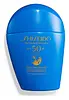
This hybrid sunscreen covers the full UV range and blocks ~98% of UVB at SPF 50.
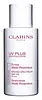
This mineral sunscreen covers the full UV range and blocks ~98% of UVB at SPF 50.


What's inside
What's inside
 Key Ingredients
Benefits
Concerns
Ingredients Side-by-side
Dimethicone
Emollient

Water
Skin ConditioningZinc Oxide 9.93%
Cosmetic Colorant


Ethylhexyl Methoxycinnamate 7.494%
UV Absorber
Alcohol
Antimicrobial



Cyclopentasiloxane
Emollient
Methyl Methacrylate Crosspolymer
Diisopropyl Sebacate
EmollientTalc
Abrasive
Isododecane
EmollientEthylhexyl Salicylate 3%
UV Absorber
Octocrylene 3%
UV Absorber
PEG/PPG-9/2 Dimethyl Ether
Skin ConditioningDiethylamino Hydroxybenzoyl Hexyl Benzoate 2%
UV Filter
Titanium Dioxide
Cosmetic Colorant
PEG-9 Polydimethylsiloxyethyl Dimethicone
Emulsifying
Dextrin Palmitate
Emulsifying
Glycerin
Humectant

Vinyl Dimethicone/Methicone Silsesquioxane Crosspolymer
Silica
Abrasive
Xylitol
Humectant
PPG-17
Skin ConditioningTrimethylsiloxysilicate
Emollient
Phenylbenzimidazole Sulfonic Acid 0.5%
UV Absorber
Bis-Ethylhexyloxyphenol Methoxyphenyl Triazine 0.5%
UV Absorber
Isostearic Acid
Cleansing
Bis-Butyldimethicone Polyglyceryl-3
Cleansing
Disteardimonium Hectorite
StabilisingAluminum Hydroxide
EmollientStearic Acid
Cleansing
Aminomethyl Propanediol
BufferingHydrogen Dimethicone
Trisodium EDTA
ChelatingPEG-6
HumectantDistearyldimonium Chloride
Parfum
Masking

BHT
Antioxidant
Tocopherol
Antioxidant




Butylene Glycol
Humectant
Limonene
Perfuming
PEG-4
HumectantDimethyl Ether
SolventLinalool
Perfuming
Isopropyl Alcohol
Solvent
Saxifraga Sarmentosa Extract
Skin ConditioningCitronellol
Perfuming
Hexyl Cinnamal
Perfuming
CI 77491
Cosmetic ColorantSodium Metabisulfite
Antioxidant
Citral
Perfuming
Syzygium Jambos Leaf Extract
Skin ConditioningCamellia Sinensis Leaf Extract
Antimicrobial
Sophora Angustifolia Root Extract
Skin ConditioningDimethicone, Water, Zinc Oxide 9.93%, Ethylhexyl Methoxycinnamate 7.494%, Alcohol, Cyclopentasiloxane, Methyl Methacrylate Crosspolymer, Diisopropyl Sebacate, Talc, Isododecane, Ethylhexyl Salicylate 3%, Octocrylene 3%, PEG/PPG-9/2 Dimethyl Ether, Diethylamino Hydroxybenzoyl Hexyl Benzoate 2%, Titanium Dioxide, PEG-9 Polydimethylsiloxyethyl Dimethicone, Dextrin Palmitate, Glycerin, Vinyl Dimethicone/Methicone Silsesquioxane Crosspolymer, Silica, Xylitol, PPG-17, Trimethylsiloxysilicate, Phenylbenzimidazole Sulfonic Acid 0.5%, Bis-Ethylhexyloxyphenol Methoxyphenyl Triazine 0.5%, Isostearic Acid, Bis-Butyldimethicone Polyglyceryl-3, Disteardimonium Hectorite, Aluminum Hydroxide, Stearic Acid, Aminomethyl Propanediol, Hydrogen Dimethicone, Trisodium EDTA, PEG-6, Distearyldimonium Chloride, Parfum, BHT, Tocopherol, Butylene Glycol, Limonene, PEG-4, Dimethyl Ether, Linalool, Isopropyl Alcohol, Saxifraga Sarmentosa Extract, Citronellol, Hexyl Cinnamal, CI 77491, Sodium Metabisulfite, Citral, Syzygium Jambos Leaf Extract, Camellia Sinensis Leaf Extract, Sophora Angustifolia Root Extract
Alcohol
Antimicrobial
Aluminum Hydroxide
EmollientAluminum Starch Octenylsuccinate
Absorbent
Water
Skin ConditioningBenzyl Benzoate
Antimicrobial
Benzyl Salicylate
Perfuming
Biosaccharide Gum-4
Skin Conditioning
Butylene Glycol
Humectant
Butylphenyl Methylpropional
Perfuming
Camellia Sinensis Leaf Extract
Antimicrobial
Citronellol
Perfuming
Cucumis Melo Fruit Extract
Skin ConditioningCyclopentasiloxane
Emollient
Dimethicone
Emollient
Disodium EDTA
ChelatingGeraniol
Perfuming
Glycerin
Humectant
Hexyl Cinnamal
Perfuming
Hexyl Laurate
Emollient
Hydroxyisohexyl 3-Cyclohexene Carboxaldehyde
Masking
Hydroxypropyltrimonium Maltodextrin Crosspolymer
SurfactantLapsana Communis Flower/Leaf/Stem Extract
Skin ConditioningLimonene
Perfuming
Linalool
Perfuming
Mica
Cosmetic ColorantParfum
Masking
PPG-3 Glyceryl Ether
EmulsifyingPEG/PPG-20/15 Dimethicone
Emulsifying
Pentylene Glycol
Skin Conditioning
Phenoxyethanol
Preservative
Lauryl Polyglyceryl-3 Polydimethylsiloxyethyl Dimethicone
Skin Conditioning
Polyglyceryl-4 Isostearate
Emulsifying
Potassium Sorbate
Preservative
Rhodiola Rosea Root Extract
EmollientSodium Chloride
MaskingSodium Lauryl Sulfate
Cleansing
Stearic Acid
Cleansing
Thermus Thermophillus Ferment
Skin ConditioningTitanium Dioxide
Cosmetic Colorant
Tocopheryl Acetate
Antioxidant
Alcohol, Aluminum Hydroxide, Aluminum Starch Octenylsuccinate, Water, Benzyl Benzoate, Benzyl Salicylate, Biosaccharide Gum-4, Butylene Glycol, Butylphenyl Methylpropional, Camellia Sinensis Leaf Extract, Citronellol, Cucumis Melo Fruit Extract, Cyclopentasiloxane, Dimethicone, Disodium EDTA, Geraniol, Glycerin, Hexyl Cinnamal, Hexyl Laurate, Hydroxyisohexyl 3-Cyclohexene Carboxaldehyde, Hydroxypropyltrimonium Maltodextrin Crosspolymer, Lapsana Communis Flower/Leaf/Stem Extract, Limonene, Linalool, Mica, Parfum, PPG-3 Glyceryl Ether, PEG/PPG-20/15 Dimethicone, Pentylene Glycol, Phenoxyethanol, Lauryl Polyglyceryl-3 Polydimethylsiloxyethyl Dimethicone, Polyglyceryl-4 Isostearate, Potassium Sorbate, Rhodiola Rosea Root Extract, Sodium Chloride, Sodium Lauryl Sulfate, Stearic Acid, Thermus Thermophillus Ferment, Titanium Dioxide, Tocopheryl Acetate
Reviews
Ingredients Explained
These ingredients are found in both products.
Ingredients higher up in an ingredient list are typically present in a larger amount.
This ingredient is also called ethanol or ethyl alcohol. It is denatured, meaning made undrinkable for cosmetic use.
In formulas, it:
Is it bad for your skin?
The answer comes down to concentration. Patch and wash studies have found highly concentrated alcohol-based hand rubs (60-100%) cause less barrier disruption than washing with a basic detergent like SLS. The only measurable effect in these studies was a temporary dip in skin hydration.
Concentrations below 12-15% in leave-on cosmetics is generally well-tolerated. Concentrations above start to see increased transepidermal water loss (TEWL) and reduced hydration.
In concentrations about 58%, it creates temporary channels in your skin's lipid layers to become more permeable and allow other ingredients to slip through easily.
This ingredient can be up to 80% of the formula in alcohol-based perfumes.
Overall, this ingredient is probably harmless if found lower down an ingredients list but worth side-eyeing if it's high up (especially if your barrier is already struggling).
Alcohol can worsen dry skin, eczema, and oily skin, especially at higher concentrations. This is because it can increase transepidermal water loss and decrease hydration to disrupt the skin barrier.
According to the National Rosacea Society based in the US, you should be mindful of products with these alcohols in the top half of ingredients.
True allergic contact dermatitis to ethanol is uncommon, but be sure to patch test if you have dry or sensitive skin.
Learn more about AlcoholAluminum Hydroxide is a form of aluminum. It can be naturally found in nature as the mineral gibbsite. In cosmetics, Aluminum Hydroxide is used as a colorant, pH adjuster, and absorbent.
As a colorant, Aluminum Hydroxide may add opacity, or reduce the transparency. Aluminum hydroxide is contains both basic and acidic properties.
According to manufacturers, this ingredient is an emollient and humectant. This means it helps hydrate the skin.
In medicine, this ingredient is used to help relieve heartburn and help heal ulcers.
There is currently no credible scientific evidence linking aluminum hydroxide in cosmetics to increased cancer risk.
Major health organizations allow the use of aluminum hydroxide in personal care products and have not flagged it as a carcinogenic risk at typical usage levels.
Learn more about Aluminum HydroxideButylene Glycol (or BG) is used within cosmetic products for a few different reasons:
Overall, Butylene Glycol is a safe and well-rounded ingredient that works well with other ingredients.
Though this ingredient works well with most skin types, some people with sensitive skin may experience a reaction such as allergic rashes, closed comedones, or itchiness.
Learn more about Butylene GlycolCamellia Sinensis Leaf Extract (tea extract) is one of the most well-researched plant extracts in skincare with an impressive resume.
Black tea, green tea, and oolong tea are all harvested from the Camellia Sinensis plant.
Studies show green tea extract and its catechins (like epigallocatechin gallate (EGCG)) help your skin cells product energy more efficiently and reducing the number of free-radicals that can damage your skin from the inside.
In lab-grown skin models, this translated to younger, healthier, and stronger skin.
There's also good sun protection data; researchers saw less DNA damage and redness on human skin when green tea was applied before UVB exposure. And the more they applied, the better the protection.
Needless to say, this ingredient shouldn't replace your sunscreen. But it is a great supportive ingredient that you can already find in many sunscreens and antioxidant serums.
A 2009 study found a 2% green tea lotion was effective for mild-to-moderate acne thanks to its anti-inflammatory and mild antimicrobial activity.
The quality of the extract matters a lot here:
Good extracts contain 50-90% catechins while lower quality ones are mostly there for marketing. We recommend reaching out to the brand if you have questions about the quality or source of their ingredients.
Human Repeated Insult Patch Testing showed no irritation or sensitization at use concentrations (0.86% in leave-on products and up to 30% as leaf water).
Learn more about Camellia Sinensis Leaf ExtractCitronellol is used to add fragrance/parfum to a product. It is often derived from plants such as roses. In fact, it can be found in many essential oils including geranium, lavender, neroli, and more. The scent of Citronellol is often described as "fresh, grassy, and citrus-like".
Since the Citronellol molecule is already unstable, Citronellol becomes irritating on the skin when exposed to air.
Citronellol is a modified terpene. Terpenes are unsaturated hydrocarbons found in plants. They make up the primary part of essential oils.
Citronellol is not able to be absorbed into deeper layers of the skin. It has low permeability,
Citronellol is also a natural insect repellent.
Learn more about CitronellolCyclopentasiloxane (D5) is a lightweight silicone that mostly acts as an emollient and solvent in cosmetics. Its the reason your products feel silky, fast-spreading, and non-greasy.
Since D5 is volatile, it does its thing and then evaporates off the skin quickly.
The safety profile of this ingredient is reassuring; the US CIR Expert Panel concluded D5 is safe as used in cosmetics and Health Canada concluded that D5 is not harmful to human health or the environment as currently used in cosmetics
There's a study that people mention about D5 in a rat study showing tumors. This study is related to long-term inhalation of high D5 levels.
Regulatory bodies have judged this study to be not applicable in topical skincare since skin absorption of D5 is very low and we're not really inhaling huge amounts of D5.
The only restriction for this ingredient is environmental. The European Chemicals Agency (ECHA) restricted D5 in wash-off cosmetics at or above 0.1% due to their persistence in water.
Learn more about CyclopentasiloxaneDimethicone is a type of synthetic silicone created from natural materials such as quartz. It is also known as polydimethylsiloxane.
What it does:
Dimethicone comes in different viscosities:
Depending on the viscosity, dimethicone has different properties.
Ingredients lists don't always show which type is used, so we recommend reaching out to the brand if you have questions about the viscosity.
This ingredient is unlikely to cause irritation because it does not get absorbed into skin. However, people with silicone allergies should be careful about using this ingredient.
Note: Dimethicone may contribute to pilling. This is because it is not oil or water soluble, so pilling may occur when layered with products. When mixed with heavy oils in a formula, the outcome is also quite greasy.
Learn more about DimethiconeGlycerin (or glycerol) is a compound naturally found in your skin. It's a powerhouse humectant that pulls water into the stratum corneum.
Topically, glycerin does several things at once:
Your skin makes glycerin on its own (mostly from sebaceous oil breakdown) and shuttles it to your outermost layer of skin, or your epidermis, via aquaporin-3.
Aquaporin-3 is a transporter that is essential for normal skin hydration, elasticity, and repair. Interestingly, mice lacking in AQP3 have dry and less elastic skin that can be fully corrected with glycerin.
This ingredient is non-irritating, plays well with almost every ingredient, and works across all skin types. Typical use is anywhere between 3-10% but can go up to 79% in some leave-on products.
Just know very high concentrations (>40%) can feel tacky in low humidity.
Glycerin is the name for this ingredient in American English. British English uses Glycerol/Glycerine.
Learn more about GlycerinHexyl Cinnamal is a fragrance ingredient with a similar scent to jasmine. It can be naturally found in chamomile essential oil.
This ingredient is a known EU allergen and may sensitize the skin. The EU requires this ingredient to be listed separately on an ingredients list.
Hexyl Cinnamal is not water soluble but is soluble in oils.
Learn more about Hexyl CinnamalLimonene is the compound that gives citrus peel its smell.
In skincare, it shows up as a standalone fragrance ingredient or as a natural compound of citrus and other essential oils.
You'll typically see this ingredient used in very small amounts; anything above 0.001% in a leave-on product or 0.01% in a rinse-off has to be named on the label in the EU. The citrus oils that carry it sit around 0.5-1% in a finished formula.
Fresh limonene is a weak allergen; the real issue is that it slowly reacts with air and then breaks down from oxidation to create hydroperoxides (which are strong sensitizers). This is why suppliers are required to keep the peroxide value below 20 mmol.
Positive reactions in people being investigated for eczema vary:
It's worth skipping if you have a known fragrance allergy or a compromised barrier, but the risk is low for most people.
Older or long-opened products are also more likely to bother you than fresh ones due to oxidation.
Learn more about LimoneneLinalool is a small, naturally occurring scent molecule found in plants like lavender, coriander, bergamot, and more.
It is one of the two most-used fragrance ingredients in cosmetics and added purely for smell. Since it's not used for a skin benefit, there's no "effective dose". Concentration depends on the fragrance load of the product.
The EU requires it to be named on the label above 0.001% in leave-on and 0.01% in rinse-off products.
Fresh linalool is a weak sensitizer but air exposure turns some of it into hydroperoxides, which are strong sensitizers. Those oxidation products are the actual allergy concern.
Patch-test clinics see positive reactions to linalool hydroperoxides in about 4% to 12% of dermatitis patients depending on country and test concentration.
Resassuringly, one analytical study found hydroperoxide levels in real fragranced products to be orders of magnitude below what induced sensitization in animal studies with no evidence of oxidation building up during normal storage.
The practical takeaway is that linalool is fine for most people but worth avoiding if you have a confirmed fragrance contact allergy or a badly compromised barrier.
Products stored a long time after opening are also the high-risk scenario since that is when oxidation happens.
The scent of linalool is described as floral, spicy tropical, and citrus-like.
Learn more about LinaloolParfum is a catch-all term for an ingredient or more that is used to give a scent to products.
Also called "fragrance", this ingredient can be a blend of hundreds of chemicals or plant oils. This means every product with "fragrance" or "parfum" in the ingredients list is a different mixture.
For instance, Habanolide is a proprietary trade name for a specific aroma chemical. When used as a fragrance ingredient in cosmetics, most aroma chemicals fall under the broad labeling category of “FRAGRANCE” or “PARFUM” according to EU and US regulations.
The term 'parfum' or 'fragrance' is not regulated in many countries. In many cases, it is up to the brand to define this term.
For instance, many brands choose to label themselves as "fragrance-free" because they are not using synthetic fragrances. However, their products may still contain ingredients such as essential oils that are considered a fragrance by INCI standards.
One example is Calendula flower extract. Calendula is an essential oil that still imparts a scent or 'fragrance'.
Depending on the blend, the ingredients in the mixture can cause allergies and sensitivities on the skin. Some ingredients that are known EU allergens include linalool and citronellol.
Parfum can also be used to mask or cover an unpleasant scent.
The bottom line is: not all fragrances/parfum/ingredients are created equally. If you are worried about fragrances, we recommend taking a closer look at an ingredient. And of course, we always recommend speaking with a professional.
Learn more about ParfumStearic Acid is a fatty acid that is already found in your skin. It's one of the free fatty acids that works alongside ceramides and cholesterols to maintain your barrier.
In cosmetics, it is a multitasker:
Safety-wise, the CIR Expert Panel has concluded it to be safe in cosmetics when formulated to be non-irritating and non-sensitizing.
Free stearic acid is a C18 fatty acid that the Malassezia yeast can substrate, so this ingredient may not be fungal acne safe.
This ingredient does have a comedogenic rating of 2-3, but this doesn't mean a formula with this ingredient will clog pores.
Human testing has proved that any finished product with this ingredient won't automatically make you break out; it really comes down to concentration, formula, and your skin.
Learn more about Stearic AcidTitanium Dioxide (TD) is a mineral UV filter widely used in sunscreens and cosmetics.
It's one of only two UV filters officially classified as "mineral" by regulatory agencies (the other being Zinc Oxide).
A really common myth is that mineral filters work by reflecting UV light off your skin like tiny mirrors.
They don't only do that; modern research shows TD protects mostly by absorbing UV radiation, the same way chemical filters do.
When researchers measured this, reflection accounted for only about 4-5% of the protection (and less than SPF 2 on its own). The other ~95% comes from absorption: the UV photons hit the particle and their energy gets soaked up by its semiconductor band gap rather than bouncing off.
So "reflects vs. absorbs" was never really the right way to split mineral from chemical filters.
TD gives broad-spectrum protection that's strongest in the UVB and UVA-2 range and weaker in the UVA-1 range. Its UVA protection isn't quite as strong as Zinc Oxide's which is why you'll often see the two paired together.
Together, they make a solid broad-spectrum system.
TD is a great pick for sensitive, acne-prone, or redness-prone skin because it's non-irritating and chemically inert. Regulatory reviews classify it as a non-sensitizer and mild-to-non-irritant.
It's also unlikely to cause the "eye sting" some chemical filters are known for.
The main trade-off is cosmetic; TD can leave a white cast and has a thicker texture. This is why mineral sunscreens are often less cosmetically elegant than chemical or hybrid formulas (and harder to shade-match on deeper skin tones).
Formulators often use micronized or nano-sized TD to cut down on white case and improve spreadability. Smaller particles scatter less visible light so the formula looks less chalky while still filtering UV.
TD is almost always bundled with coatings like Alumina, Silica, Stearic Acid, or Dimethicone. These coatings do two important jobs:
TD can be used at up to 25% in a finished sunscreen; this is the regulatory ceiling in both the US and the EU.
In practice, the amount in any given product varies a lot depending on the target SPF and whether it's paired with other UV filters.
TD is one of the most heavily vetted sunscreen ingredients out there. It is approved as a UV filter in all major markets worldwide, including the US, EU, UK, Japan, Korea, China, Australia, and Canada.
The safety evidence is solid. There was an old worry that nano particles might absorb through skin into the body but multiple studies (including on damaged, sunburned, and UV-irradiated skin) have shown that TD stays on the surface and the layer of dead skin cells on top of everything else.
There's also no evidence of carcinogenicity, mutagenicity, or reproductive toxicity from dermal exposure of this ingredient.
For those who have seen the headline about a 2022 EU ban on TD, that was on TD as a food additive (a complete separate use from topical sunscreen).
There are ongoing questions about how nano-TD might affect marine ecosystems. As of now, there has been no conclusive evidence that any form of TD (or any other sunscreen filter) harms coral reefs or marine life.
The science is still developing and it's a space worth watching rather than packing over.
However, several destinations have reef-safety sunscreen rules that restrict certain chemical filters and steer visitors toward mineral, non-nano options. If you're traveling somewhere with these rules, a non-nano mineral sunscreen is the safe bet.
Learn more about Titanium DioxideWater. It's the most common cosmetic ingredient of all. You'll usually see it at the top of ingredient lists, meaning that it makes up the largest part of the product.
So why is it so popular? Water most often acts as a solvent - this means that it helps dissolve other ingredients into the formulation.
You'll also recognize water as that liquid we all need to stay alive. If you see this, drink a glass of water. Remember to stay hydrated!
Learn more about Water

