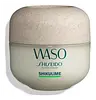
This barrier-repair moisturizer is formulated around Xylitol and Squalane to strengthen the skin barrier and hydrate skin.
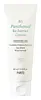
This barrier-repair moisturizer is formulated around Centella Asiatica Extract and Panthenol to strengthen the skin barrier and calm redness.


What's inside
What's inside
 Key Ingredients
Benefits
Concerns
Ingredients Side-by-side
Water
Skin ConditioningCetyl Ethylhexanoate
EmollientHydrogenated Polydecene
EmollientButylene Glycol
Humectant

Dimethicone
Emollient

Xylitol
Humectant
Glycerin
Humectant
Silica
Abrasive


Squalane
Emollient
PEG-60 Glyceryl Isostearate
Surfactant

Alcohol
Antimicrobial



Stearyl Alcohol
Emollient
Butyrospermum Parkii Butter
Skin Conditioning

Glyceryl Stearate
Emollient
Erythritol
Humectant
Behenyl Alcohol
Emollient
Trehalose
Humectant
CI 77891
Cosmetic ColorantPhenoxyethanol
Preservative
Isostearic Acid
Cleansing
Hydrogenated Palm Oil
Emollient
Mica
Cosmetic ColorantPyrus Malus Fruit Water
MaskingElaeis Guineensis Kernel Oil
Emollient
Elaeis Guineensis Oil
Emollient
Chlorphenesin
Antimicrobial
Xanthan Gum
EmulsifyingDipropylene Glycol
HumectantAcrylates/C10-30 Alkyl Acrylate Crosspolymer
Emulsion StabilisingDisodium EDTA
ChelatingTin Oxide
Abrasive
Sodium Metaphosphate
BufferingRosmarinus Officinalis Leaf Oil
Masking
Sodium Polyacrylate
Absorbent
Limonene
Perfuming

Citrus Aurantium Dulcis Oil
Masking
Lavandula Angustifolia Oil
Masking
Tocopherol
Antioxidant




CI 77492
Cosmetic ColorantCitrus Depressa Peel Extract
HumectantSalvia Officinalis Oil
Masking
Potassium Hydroxide
BufferingPlankton Extract
Skin ConditioningCitric Acid
Buffering
Water, Cetyl Ethylhexanoate, Hydrogenated Polydecene, Butylene Glycol, Dimethicone, Xylitol, Glycerin, Silica, Squalane, PEG-60 Glyceryl Isostearate, Alcohol, Stearyl Alcohol, Butyrospermum Parkii Butter, Glyceryl Stearate, Erythritol, Behenyl Alcohol, Trehalose, CI 77891, Phenoxyethanol, Isostearic Acid, Hydrogenated Palm Oil, Mica, Pyrus Malus Fruit Water, Elaeis Guineensis Kernel Oil, Elaeis Guineensis Oil, Chlorphenesin, Xanthan Gum, Dipropylene Glycol, Acrylates/C10-30 Alkyl Acrylate Crosspolymer, Disodium EDTA, Tin Oxide, Sodium Metaphosphate, Rosmarinus Officinalis Leaf Oil, Sodium Polyacrylate, Limonene, Citrus Aurantium Dulcis Oil, Lavandula Angustifolia Oil, Tocopherol, CI 77492, Citrus Depressa Peel Extract, Salvia Officinalis Oil, Potassium Hydroxide, Plankton Extract, Citric Acid
Centella Asiatica Extract
Cleansing

Panthenol 10%
Skin Conditioning
Squalane
Emollient
Butylene Glycol
Humectant
Water
Skin Conditioning1,2-Hexanediol
Skin Conditioning
Niacinamide
Smoothing

Hydrolyzed Jojoba Esters
Skin Conditioning
Acrylates/C10-30 Alkyl Acrylate Crosspolymer
Emulsion StabilisingAmmonium Acryloyldimethyltaurate/Vp Copolymer
Hydroxyacetophenone
Antioxidant
Tromethamine
BufferingDipotassium Glycyrrhizate
Humectant
Ethylhexylglycerin
Skin ConditioningDisodium EDTA
ChelatingXanthan Gum
EmulsifyingSodium Hyaluronate
Humectant
Madecassoside
Antioxidant
Asiaticoside
Antioxidant
Asiatic Acid
Skin Conditioning
Copper Tripeptide-1
Skin Conditioning
Madecassic Acid
Skin Conditioning
Centella Asiatica Extract, Panthenol 10%, Squalane, Butylene Glycol, Water, 1,2-Hexanediol, Niacinamide, Hydrolyzed Jojoba Esters, Acrylates/C10-30 Alkyl Acrylate Crosspolymer, Ammonium Acryloyldimethyltaurate/Vp Copolymer, Hydroxyacetophenone, Tromethamine, Dipotassium Glycyrrhizate, Ethylhexylglycerin, Disodium EDTA, Xanthan Gum, Sodium Hyaluronate, Madecassoside, Asiaticoside, Asiatic Acid, Copper Tripeptide-1, Madecassic Acid
Reviews
Ingredients Explained
These ingredients are found in both products.
Ingredients higher up in an ingredient list are typically present in a larger amount.
Acrylates/C10-30 Alkyl Acrylate Crosspolymer is a synthetic polymer. It is used to thicken, emulsify, and improve the texture of products.
As an emulsifier, it helps stabilize oil-in-water emulsions to give products an elegant feel when applied.
It can also form a thin protective film on skin. One study found that a formula using this polymer helped slow down how quickly other ingredients (like DEET) were absorbed through skin.
A 2024 study of over 1,300 patients confirmed that sensitization to this ingredient is rare. It is also non-mutagenic and has a clean track record.
Learn more about Acrylates/C10-30 Alkyl Acrylate CrosspolymerButylene Glycol (or BG) is used within cosmetic products for a few different reasons:
Overall, Butylene Glycol is a safe and well-rounded ingredient that works well with other ingredients.
Though this ingredient works well with most skin types, some people with sensitive skin may experience a reaction such as allergic rashes, closed comedones, or itchiness.
Learn more about Butylene GlycolDisodium EDTA is a chelating agent. It grabs onto and deactivates metal ions that sneak into your products from water, packaging, or air.
This ingredient mainly works behind the scenes and helps with:
On top of that, this ingredient can counteract the effects of hard water by binding to the minerals in it.
One thing worth knowing is that Disodium EDTA has been shown to be a mild penetration enhancer. It can help other ingredients absorb into skin more effectively which can be a double-edged sword (great for actives, but can also make the active too strong if you have sensitive skin).
Clinical patch testing showed no significant skin irritation at typical use concentrations and minimal dermal absorption.
You'll most likely see this ingredient near the end of an ingredient list. It's typically found in concentrations less than 1%.
Learn more about Disodium EDTASqualane is the hydrogenated and shelf-stable form of squalene (a lipid that naturally occurs in human sebum).
It is an emollient and skin conditioning agent that is able to integrate seamlessly into the skin's lipid barrier without clogging pores.
This is due to how structurally similar it is to what your skin already produces.
Though it is mostly an emollient that helps soften and hydrate skin, it also has some humectant and occlusive action. Humectants help the skin retain moisture while occlusives seal it in, making squalane a triple-threat moisturizer.
Research shows it has antioxidant capabilities that help protect against stressors like UV exposure, specifically UVA induced oxidative stress. This study also found that it supports collagen biosynthesis in human dermal fibroblasts.
No clinical study has reported significant adverse effects and irritation reactions are very rare from this ingredient (even at 100% concentration).
Overall, it's a fantastic ingredient for hydration and is suitable for all skin types.
This depends on the source. Squalane can be derived from both plants and animals. Most squalane used in skincare comes from plants.
Please note: the source of squalane is only known if disclosed by the brand. We recommend reaching out to the brand if you have any questions about their squalane.
Read more about squalene with an "e".
Though squalane is often called an oil, it’s technically not one. It is a hydrocarbon, meaning it is only made of carbon and hydrogen. True oils are triglycerides and made of fatty acids and glycerol.
The term “oil-free” isn’t regulated so companies can define it however they want. Some exclude all oils, while others just avoid mineral oil or comedogenic oils.
Squalane has a comedogenic rating of 1 from the original 1972 study that tested raw ingredients under occlusion on rabbit ears. This system is not standardized or peer-reviewed, and using the raw ingredients is very different from how diluted cosmetic formulations are used on human skin.
A comedogenic rating of 1 means it is "unlikely to clog pores" according to the original rating system.
The overall formula of a product matters more than the individual ingredients on whether or not it will cause clogged pores.
Learn more about SqualaneWater. It's the most common cosmetic ingredient of all. You'll usually see it at the top of ingredient lists, meaning that it makes up the largest part of the product.
So why is it so popular? Water most often acts as a solvent - this means that it helps dissolve other ingredients into the formulation.
You'll also recognize water as that liquid we all need to stay alive. If you see this, drink a glass of water. Remember to stay hydrated!
Learn more about WaterXanthan gum is used as a stabilizer and thickener within cosmetic products. It helps give products a sticky, thick feeling - preventing them from being too runny.
On the technical side of things, xanthan gum is a polysaccharide - a combination consisting of multiple sugar molecules bonded together.
Xanthan gum is a pretty common and great ingredient. It is a natural, non-toxic, non-irritating ingredient that is also commonly used in food products.
Learn more about Xanthan Gum

