Senka All Clear Oil Versus Muji Mild Gel Cleansing

What's inside
What's inside
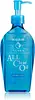 Key Ingredients
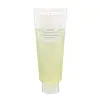
Benefits
Concerns
Ingredients Side-by-side
Paraffinum Liquidum
Emollient


PEG-8 Glyceryl Isostearate
Emollient
Cetyl Ethylhexanoate
EmollientIsododecane
EmollientLauric Acid
Cleansing
PPG-17
Skin ConditioningDimethicone
Emollient
Glycerin
Humectant



Ethylhexyl Palmitate
Emollient
Zea Mays Germ Oil
Emollient
Sodium Hyaluronate
Humectant
Sericin
Skin ConditioningSodium Acetylated Hyaluronate
Humectant
Hydrolyzed Silk
Humectant
Water
Skin ConditioningBHT
Antioxidant
Tocopherol
Antioxidant

Alcohol Denat.
Antimicrobial




Citric Acid
Buffering



Sorbic Acid
Preservative
Parfum
Masking
Paraffinum Liquidum, PEG-8 Glyceryl Isostearate, Cetyl Ethylhexanoate, Isododecane, Lauric Acid, PPG-17, Dimethicone, Glycerin, Ethylhexyl Palmitate, Zea Mays Germ Oil, Sodium Hyaluronate, Sericin, Sodium Acetylated Hyaluronate, Hydrolyzed Silk, Water, BHT, Tocopherol, Alcohol Denat., Citric Acid, Sorbic Acid, Parfum
Water
Skin ConditioningPEG-7 Glyceryl Cocoate
Emulsifying
Hexyl Laurate
Emollient
Glycerin
Humectant
Propanediol
Solvent
Sodium Hyaluronate
Humectant
Ceramide NP
Skin Conditioning

Alanine
MaskingArginine
Masking
Sodium Glutamate
MaskingSerine
Masking
Proline
Skin ConditioningDipotassium Glycyrrhizate
Humectant

Eucalyptus Globulus Leaf Extract
Perfuming
Portulaca Oleracea Extract
Skin Conditioning
Citrus Grandis Seed Extract
Astringent
Butylene Glycol
Humectant
Ethylhexylglycerin
Skin ConditioningOlea Europaea Fruit Oil
Masking
Rosa Canina Fruit Oil
Emollient
Squalane
Emollient
Simmondsia Chinensis Seed Oil
Emollient
Macadamia Integrifolia Seed Oil
Skin Conditioning
Acrylates/C10-30 Alkyl Acrylate Crosspolymer
Emulsion StabilisingCellulose Gum
Emulsion StabilisingTocopherol
Antioxidant
Phytic Acid
Potassium Hydroxide
BufferingLitsea Cubeba Fruit Oil
Masking
Amyris Balsamifera Oil Acetylated
Perfuming
Citrus Aurantium Dulcis Peel Oil
Masking
Cinnamomum Camphora Bark Oil
Masking
Vetiveria Zizanoides Root Oil
Masking
Citrus Aurantium Bergamia Fruit Oil
Masking
Eucalyptus Globulus Leaf Oil
Perfuming
Lavandula Hybrida Oil
Emollient
Lavandula Angustifolia Oil
Masking
Anthemis Nobilis Flower Oil
Masking
Water, PEG-7 Glyceryl Cocoate, Hexyl Laurate, Glycerin, Propanediol, Sodium Hyaluronate, Ceramide NP, Alanine, Arginine, Sodium Glutamate, Serine, Proline, Dipotassium Glycyrrhizate, Eucalyptus Globulus Leaf Extract, Portulaca Oleracea Extract, Citrus Grandis Seed Extract, Butylene Glycol, Ethylhexylglycerin, Olea Europaea Fruit Oil, Rosa Canina Fruit Oil, Squalane, Simmondsia Chinensis Seed Oil, Macadamia Integrifolia Seed Oil, Acrylates/C10-30 Alkyl Acrylate Crosspolymer, Cellulose Gum, Tocopherol, Phytic Acid, Potassium Hydroxide, Litsea Cubeba Fruit Oil, Amyris Balsamifera Oil Acetylated, Citrus Aurantium Dulcis Peel Oil, Cinnamomum Camphora Bark Oil, Vetiveria Zizanoides Root Oil, Citrus Aurantium Bergamia Fruit Oil, Eucalyptus Globulus Leaf Oil, Lavandula Hybrida Oil, Lavandula Angustifolia Oil, Anthemis Nobilis Flower Oil
Ingredients Explained
These ingredients are found in both products.
Ingredients higher up in an ingredient list are typically present in a larger amount.
Glycerin is already naturally found in your skin. It helps moisturize and protect your skin.
A study from 2016 found glycerin to be more effective as a humectant than AHAs and hyaluronic acid.
As a humectant, it helps the skin stay hydrated by pulling moisture to your skin. The low molecular weight of glycerin allows it to pull moisture into the deeper layers of your skin.
Hydrated skin improves your skin barrier; Your skin barrier helps protect against irritants and bacteria.
Glycerin has also been found to have antimicrobial and antiviral properties. Due to these properties, glycerin is often used in wound and burn treatments.
In cosmetics, glycerin is usually derived from plants such as soybean or palm. However, it can also be sourced from animals, such as tallow or animal fat.
This ingredient is organic, colorless, odorless, and non-toxic.
Glycerin is the name for this ingredient in American English. British English uses Glycerol/Glycerine.
Learn more about GlycerinSodium Hyaluronate is hyaluronic acid's salt form. It is commonly derived from the sodium salt of hyaluronic acid.
Like hyaluronic acid, it is great at holding water and acts as a humectant. This makes it a great skin hydrating ingredient.
Sodium Hyaluronate is naturally occurring in our bodies and is mostly found in eye fluid and joints.
These are some other common types of Hyaluronic Acid:
Learn more about Sodium HyaluronateTocopherol (also known as Vitamin E) is a common antioxidant used to help protect the skin from free-radicals and strengthen the skin barrier. It's also fat soluble - this means our skin is great at absorbing it.
Vitamin E also helps keep your natural skin lipids healthy. Your lipid skin barrier naturally consists of lipids, ceramides, and fatty acids. Vitamin E offers extra protection for your skin’s lipid barrier, keeping your skin healthy and nourished.
Another benefit is a bit of UV protection. Vitamin E helps reduce the damage caused by UVB rays. (It should not replace your sunscreen). Combining it with Vitamin C can decrease sunburned cells and hyperpigmentation after UV exposure.
You might have noticed Vitamin E + C often paired together. This is because it is great at stabilizing Vitamin C. Using the two together helps increase the effectiveness of both ingredients.
There are often claims that Vitamin E can reduce/prevent scarring, but these claims haven't been confirmed by scientific research.
Learn more about TocopherolWater. It's the most common cosmetic ingredient of all. You'll usually see it at the top of ingredient lists, meaning that it makes up the largest part of the product.
So why is it so popular? Water most often acts as a solvent - this means that it helps dissolve other ingredients into the formulation.
You'll also recognize water as that liquid we all need to stay alive. If you see this, drink a glass of water. Stay hydrated!
Learn more about Water
