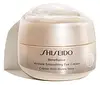
This anti-aging eye moisturizer is formulated around Squalane and Carnosine to soften the look of wrinkles and hydrate skin.
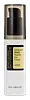
This anti-aging eye moisturizer is formulated around Snail Secretion Filtrate and Niacinamide to soften the look of wrinkles and hydrate skin.


What's inside
What's inside
 Key Ingredients
Benefits
Concerns
Ingredients Side-by-side
Water
Skin ConditioningHydrogenated Polydecene
EmollientGlycerin
Humectant


Paraffinum Liquidum
Emollient


Petrolatum
Emollient
Butylene Glycol
Humectant
Paraffin
Skin Conditioning
Polyglyceryl-2 Diisostearate
Emulsifying

Squalane
Emollient
Glyceryl Oleate
Emollient

Sodium PCA
Humectant
Glutamic Acid
Humectant
Dipropylene Glycol
HumectantCarnosine
Skin Conditioning
Beeswax
Emulsion Stabilising

Microcrystalline Wax
Emulsion StabilisingSodium Hydroxide
BufferingAlcohol
Antimicrobial

Polyethylene
Abrasive
Methylparaben
Preservative


Tocopheryl Acetate
Antioxidant


Ethylparaben
Preservative
Phytosteryl/Octyldodecyl Lauroyl Glutamate
Skin ConditioningParfum
Masking
Trisodium EDTA
ChelatingTocopherol
Antioxidant

Sodium Metabisulfite
Antioxidant
Caffeine
Skin Conditioning
CI 77492
Cosmetic ColorantPEG/PPG-14/7 Dimethyl Ether
Skin ConditioningPPG-3 Dipivalate
Skin ConditioningLinalool
Perfuming
Limonene
Perfuming
Sapindus Mukorossi Peel Extract
Skin ConditioningCitronellol
Perfuming
Uncaria Gambir Extract
AstringentGeraniol
Perfuming
Angelica Keiskei Leaf/Stem Extract
Skin ConditioningAlpha-Isomethyl Ionone
Perfuming
Sanguisorba Officinalis Root Extract
CleansingCrataegus Monogyna Flower Extract
Skin ConditioningCamellia Sinensis Leaf Extract
Antimicrobial

Sodium Acetylated Hyaluronate
Humectant
Hydroxyproline
Skin ConditioningCI 77491
Cosmetic ColorantCitrus Junos Seed Extract
Antioxidant
Cinnamomum Cassia Bark Extract
Masking
Ziziphus Jujuba Fruit Extract
Skin ConditioningChlorella Vulgaris Extract
Skin ConditioningEucheuma Serra/Grateloupia Sparsa/Saccharina Angustata/Ulva Linza/Undaria Pinnatifida Extract
EmollientCarbomer
Emulsion StabilisingSodium Lactate
Buffering
BHT
Antioxidant
Curcuma Longa Rhizome Extract
Skin ConditioningPolysorbate 20
Emulsifying
Saccharina Angustata/Undaria Pinnatifida Extract
EmollientPalmitoyl Tripeptide-1
Skin Conditioning

Palmitoyl Tetrapeptide-7
Skin Conditioning
Water, Hydrogenated Polydecene, Glycerin, Paraffinum Liquidum, Petrolatum, Butylene Glycol, Paraffin, Polyglyceryl-2 Diisostearate, Squalane, Glyceryl Oleate, Sodium PCA, Glutamic Acid, Dipropylene Glycol, Carnosine, Beeswax, Microcrystalline Wax, Sodium Hydroxide, Alcohol, Polyethylene, Methylparaben, Tocopheryl Acetate, Ethylparaben, Phytosteryl/Octyldodecyl Lauroyl Glutamate, Parfum, Trisodium EDTA, Tocopherol, Sodium Metabisulfite, Caffeine, CI 77492, PEG/PPG-14/7 Dimethyl Ether, PPG-3 Dipivalate, Linalool, Limonene, Sapindus Mukorossi Peel Extract, Citronellol, Uncaria Gambir Extract, Geraniol, Angelica Keiskei Leaf/Stem Extract, Alpha-Isomethyl Ionone, Sanguisorba Officinalis Root Extract, Crataegus Monogyna Flower Extract, Camellia Sinensis Leaf Extract, Sodium Acetylated Hyaluronate, Hydroxyproline, CI 77491, Citrus Junos Seed Extract, Cinnamomum Cassia Bark Extract, Ziziphus Jujuba Fruit Extract, Chlorella Vulgaris Extract, Eucheuma Serra/Grateloupia Sparsa/Saccharina Angustata/Ulva Linza/Undaria Pinnatifida Extract, Carbomer, Sodium Lactate, BHT, Curcuma Longa Rhizome Extract, Polysorbate 20, Saccharina Angustata/Undaria Pinnatifida Extract, Palmitoyl Tripeptide-1, Palmitoyl Tetrapeptide-7
Snail Secretion Filtrate
Skin Conditioning
Butylene Glycol
Humectant
Glycerin
Humectant
Helianthus Annuus Seed Oil
Emollient
1,2-Hexanediol
Skin Conditioning
Niacinamide
Smoothing

Water
Skin ConditioningPalmitic Acid
Emollient
Arginine
Masking
Carbomer
Emulsion StabilisingStearic Acid
Cleansing
Betaine
Humectant
Cetearyl Olivate
Sorbitan Olivate
Emulsifying
Sodium Polyacrylate
Absorbent
Allantoin
Skin Conditioning
Tocopheryl Acetate
Antioxidant
Panthenol
Skin Conditioning
Hydroxyethyl Acrylate/Sodium Acryloyldimethyl Taurate Copolymer
Emulsion StabilisingSodium Hyaluronate
Humectant
Adenosine
Skin Conditioning
Xanthan Gum
EmulsifyingMyristic Acid
Cleansing
Copper Tripeptide-1
Skin Conditioning
Acetyl Hexapeptide-8
Humectant
Palmitoyl Pentapeptide-4
Skin Conditioning
Palmitoyl Tripeptide-1
Skin Conditioning
Palmitoyl Tetrapeptide-7
Skin Conditioning
Snail Secretion Filtrate, Butylene Glycol, Glycerin, Helianthus Annuus Seed Oil, 1,2-Hexanediol, Niacinamide, Water, Palmitic Acid, Arginine, Carbomer, Stearic Acid, Betaine, Cetearyl Olivate, Sorbitan Olivate, Sodium Polyacrylate, Allantoin, Tocopheryl Acetate, Panthenol, Hydroxyethyl Acrylate/Sodium Acryloyldimethyl Taurate Copolymer, Sodium Hyaluronate, Adenosine, Xanthan Gum, Myristic Acid, Copper Tripeptide-1, Acetyl Hexapeptide-8, Palmitoyl Pentapeptide-4, Palmitoyl Tripeptide-1, Palmitoyl Tetrapeptide-7
Reviews
Ingredients Explained
These ingredients are found in both products.
Ingredients higher up in an ingredient list are typically present in a larger amount.
Butylene Glycol (or BG) is used within cosmetic products for a few different reasons:
Overall, Butylene Glycol is a safe and well-rounded ingredient that works well with other ingredients.
Though this ingredient works well with most skin types, some people with sensitive skin may experience a reaction such as allergic rashes, closed comedones, or itchiness.
Learn more about Butylene GlycolCarbomer is a synthetic thickening and gelling agent. It's basically the ingredient that gives a lot of serums, gels, creams, and sunscreens their smooth, non-sticky texture.
Although legally permitted at very high levels, carbomers are normally used at concentrations below 1%.
It also needs to be neutralized to actually thicken, and because it is a large molecule, it doesn't really penetrate the skin barrier.
Allergy-wise, the risk is very low. Clinical studies show carbomers have low potential for skin irritation/sensitization even at concentrations up to 100%.
A 2024 UK study patch-tested 1,302 patients and found true allergy to the parent group of carbomer to be rare with no confirmed relevant reactions.
Learn more about CarbomerGlycerin (or glycerol) is a compound naturally found in your skin. It's a powerhouse humectant that pulls water into the stratum corneum.
Topically, glycerin does several things at once:
Your skin makes glycerin on its own (mostly from sebaceous oil breakdown) and shuttles it to your outermost layer of skin, or your epidermis, via aquaporin-3.
Aquaporin-3 is a transporter that is essential for normal skin hydration, elasticity, and repair. Interestingly, mice lacking in AQP3 have dry and less elastic skin that can be fully corrected with glycerin.
This ingredient is non-irritating, plays well with almost every ingredient, and works across all skin types. Typical use is anywhere between 3-10% but can go up to 79% in some leave-on products.
Just know very high concentrations (>40%) can feel tacky in low humidity.
Glycerin is the name for this ingredient in American English. British English uses Glycerol/Glycerine.
Learn more about GlycerinPalmitoyl Tetrapeptide-7 (formerly Palmitoyl Tetrapeptide-3) is a synthetic peptide. Its main job is to fight what researchers call "inflammaging".
"Inflammaging" is the slow, low-grade chronic inflammation that quietly breaks down collagen as we age.
This ingredient calms down a specific inflammation signal in your skin cells (called IL-6). When left unchecked, this signal triggers enzymes that break down collagen and elastin.
Clinical testing showed statistically significant improvements in:
Studies also found the more of this ingredient used, the more your skin produces Collagen I, fibronectin, and hyaluronic acid.
You'll likely see this ingredient paired with Palmitoyl Tripeptide-1 in the well-known Matrixyl 3000 complex for enhanced anti-aging effects.
A 3% concentration applied twice daily for two months showed meaningful skin rejuvenation results in clinical panels.
Fungal acne note:
Usually a palmitic acid component can feed Malassezia in unbound form, but here is is covalently bonded to the peptide. This means it is very difficult for Malassezia to access, and therefore very unlikely to cause fungal acne.
Palmitoyl Tripeptide-1 (aka Pal-GHK) is a synthetic signal peptide made of three amino acids attached to palmitic acid.
That fatty acid attachment is the key: it boosts the peptide's ability to penetrate the skin barrier. This puts it closer to the dermal cells where it can actually make a difference.
Once there, it acts as a matrikine, a signaling peptide that prompts fibroblasts to produce more collagen, fibronectin, and hyaluronic acid.
In vitro studies show it can boost collagen production in skin cells even when UV-damaged skin samples were treated with it at a tiny concentration (it almost fully restored dermal collagen at 5ppm). It achieved this at 100x lower concentration than retinoic acid, which needed 500 ppm to do the same thing.
Human clinical data is promising, but modest:
A study of 23 female volunteers found a small but statistically significant increase (~4%) in skin thickness after treatment at 4 ppm.
A separate small trial of 15 women showed statistically significant reductions in wrinkle length, depth, and skin roughness after applying it twice daily for four weeks.
You'll likely see Pal-GHK paired with Palmitoyl Tetrapeptide-7 as part of the Matrixyl 3000 complex.
Fungal acne note:
Usually a palmitic acid component can feed Malassezia in unbound form, but here is is covalently bonded to the peptide. This means it is very difficult for Malassezia to access, and therefore very unlikely to cause fungal acne.
Tocopheryl Acetate is a stable, shelf-friendly form of vitamin E.
Formulators love it because plain vitamin E oxidizes quickly once it hits air. This acetate version stays stable and resists going off, helping to extend a product's shelf life.
It's actually inactive on its own and works like a slow-release "storage" form; the enzymes in your skin called esterases gradually convert it into active vitamin E over time.
One in vivo study showed 5% of the acetate in the living layer of the epidermis converted to vitamin E after 5 days of application. This study also found the skin gained protection against UV damage even though the conversion was slow and small.
Once converted, vitamin E acts as a skin's main fat-soluble antioxidant that fights free radicals to protect skin from damage.
Topical vitamin E generally boosts the skin's photoprotection, and it reduced UV-damage in animal models.
This ingredient has some brightening potential but it's more of a prevention ingredient than spot-fader. Cell studies show it can slow down melanin production but it's worth noting that it's not the most powerful brightener out there.
Overall, it has a pretty solid safety profile and has been found to be non-irritating and non-comedogenic. Allergic reactions may happen but stay rare due to how widely the ingredient gets used.
The concentration will vary depending on the formula; industry data shows 0.1% in baby lotions, 3% in lipsticks, and 5% in foot powders. You can also find this ingredient at 100% in a pure vitamin E oil.
Most leave-on skincare keeps it at the lower end, often between 0.5-1%.
Learn more about Tocopheryl AcetateWater. It's the most common cosmetic ingredient of all. You'll usually see it at the top of ingredient lists, meaning that it makes up the largest part of the product.
So why is it so popular? Water most often acts as a solvent - this means that it helps dissolve other ingredients into the formulation.
You'll also recognize water as that liquid we all need to stay alive. If you see this, drink a glass of water. Remember to stay hydrated!
Learn more about Water

