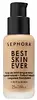
Sephora Collection Best Skin Ever Liquid Foundation Versus Physician's Formula The Healthy Foundation SPF 20


What's inside
What's inside
 Key Ingredients
Benefits
Concerns
Ingredients Side-by-side
Water
Skin ConditioningDimethicone
Emollient

CI 77891
Cosmetic ColorantIsohexadecane
EmollientPEG-10 Dimethicone
Skin Conditioning
Propanediol
Solvent

Alcohol
Antimicrobial




CI 77492
Cosmetic ColorantDimethicone Crosspolymer
Emulsion Stabilising
Acrylates Copolymer
Glycerin
Humectant
Magnesium Sulfate
Synthetic Wax
Abrasive

CI 77491
Cosmetic ColorantHydroxyacetophenone
Antioxidant
Disodium Stearoyl Glutamate
CleansingDisteardimonium Hectorite
StabilisingCI 77499
Cosmetic ColorantCaprylyl Glycol
Emollient
Sodium Hyaluronate
Humectant


Propylene Carbonate
SolventAluminum Hydroxide
EmollientHydrolyzed Algin
Helianthus Annuus Seed Oil
Emollient

Phenethyl Alcohol
MaskingSodium Carrageenan
Emulsion StabilisingGlyceryl Stearate Citrate
Emollient
Tocopherol
Antioxidant


Ascorbyl Tetraisopalmitate
Antioxidant
Beta-Sitosterol
Emulsion Stabilising
Squalene
Emollient
Maris Sal
Skin ConditioningWater, Dimethicone, CI 77891, Isohexadecane, PEG-10 Dimethicone, Propanediol, Alcohol, CI 77492, Dimethicone Crosspolymer, Acrylates Copolymer, Glycerin, Magnesium Sulfate, Synthetic Wax, CI 77491, Hydroxyacetophenone, Disodium Stearoyl Glutamate, Disteardimonium Hectorite, CI 77499, Caprylyl Glycol, Sodium Hyaluronate, Propylene Carbonate, Aluminum Hydroxide, Hydrolyzed Algin, Helianthus Annuus Seed Oil, Phenethyl Alcohol, Sodium Carrageenan, Glyceryl Stearate Citrate, Tocopherol, Ascorbyl Tetraisopalmitate, Beta-Sitosterol, Squalene, Maris Sal
Ethylhexyl Methoxycinnamate 3%
UV Absorber

Water
Skin ConditioningCyclopentasiloxane
Emollient
PEG-10 Dimethicone
Skin Conditioning
Isododecane
EmollientButylene Glycol
Humectant
Acrylates/Polytrimethylsiloxymethacrylate Copolymer
Skin ConditioningPropanediol
Solvent
Cyclohexasiloxane
Emollient
Cetyl PEG/PPG-10/1 Dimethicone
Emulsifying
Isodecyl Neopentanoate
EmollientPolymethylsilsesquioxane
Helianthus Annuus Seed Oil
Emollient
Disteardimonium Hectorite
StabilisingMagnesium Sulfate
Schinziophyton Rautanenii Kernel Oil
Emollient
Phenoxyethanol
Preservative
Disodium Stearoyl Glutamate
CleansingCaprylyl Glycol
Emollient
Ethylene Brassylate
MaskingDimethicone/Bis-Isobutyl PPG-20 Crosspolymer
Emollient
Silica
Abrasive

Sorbitan Sesquioleate
Emulsifying
Evodia Rutaecarpa Fruit Extract
Skin ConditioningEthylhexylglycerin
Skin ConditioningHexylene Glycol
EmulsifyingCellulose Gum
Emulsion StabilisingTetrahexyldecyl Ascorbate
Antioxidant
Tocopheryl Acetate
Antioxidant
Aluminum Hydroxide
EmollientRetinyl Palmitate
Skin Conditioning
Rhodiola Rosea Root Extract
EmollientSodium Hyaluronate
Humectant
BHT
Antioxidant
Rosmarinus Officinalis Leaf Extract
AntimicrobialTocopherol
Antioxidant
Iron Oxides
CI 77491
Cosmetic ColorantCI 77492
Cosmetic ColorantCI 77499
Cosmetic ColorantCI 77891
Cosmetic ColorantEthylhexyl Methoxycinnamate 3%, Water, Cyclopentasiloxane, PEG-10 Dimethicone, Isododecane, Butylene Glycol, Acrylates/Polytrimethylsiloxymethacrylate Copolymer, Propanediol, Cyclohexasiloxane, Cetyl PEG/PPG-10/1 Dimethicone, Isodecyl Neopentanoate, Polymethylsilsesquioxane, Helianthus Annuus Seed Oil, Disteardimonium Hectorite, Magnesium Sulfate, Schinziophyton Rautanenii Kernel Oil, Phenoxyethanol, Disodium Stearoyl Glutamate, Caprylyl Glycol, Ethylene Brassylate, Dimethicone/Bis-Isobutyl PPG-20 Crosspolymer, Silica, Sorbitan Sesquioleate, Evodia Rutaecarpa Fruit Extract, Ethylhexylglycerin, Hexylene Glycol, Cellulose Gum, Tetrahexyldecyl Ascorbate, Tocopheryl Acetate, Aluminum Hydroxide, Retinyl Palmitate, Rhodiola Rosea Root Extract, Sodium Hyaluronate, BHT, Rosmarinus Officinalis Leaf Extract, Tocopherol, Iron Oxides, CI 77491, CI 77492, CI 77499, CI 77891
Reviews
Ingredients Explained
These ingredients are found in both products.
Ingredients higher up in an ingredient list are typically present in a larger amount.
Aluminum Hydroxide is a form of aluminum. It can be naturally found in nature as the mineral gibbsite. In cosmetics, Aluminum Hydroxide is used as a colorant, pH adjuster, and absorbent.
As a colorant, Aluminum Hydroxide may add opacity, or reduce the transparency. Aluminum hydroxide is contains both basic and acidic properties.
According to manufacturers, this ingredient is an emollient and humectant. This means it helps hydrate the skin.
In medicine, this ingredient is used to help relieve heartburn and help heal ulcers.
There is currently no credible scientific evidence linking aluminum hydroxide in cosmetics to increased cancer risk.
Major health organizations allow the use of aluminum hydroxide in personal care products and have not flagged it as a carcinogenic risk at typical usage levels.
Learn more about Aluminum HydroxideCaprylyl Glycol is a humectant, skin conditioner, emollient, and preservative booster derived from either caprylic acid or synthetically created.
Typical use levels vary from 0.3-1% as a preservative booster and go up to 2% to condition skin.
Because it is not a free-fatty acid, this ingredient is fungal acne safe (there's nothing for Malassezia to feed on).
Learn more about Caprylyl GlycolCi 77491 is also hydrated iron III oxide. It's sole purpose is to give a red/pink hue to products.
Iron III oxides are classified as inorganic chemicals for coloring.
Synthetically created Ci 77491 is considered safer than those naturally found. This is because the synthetically created version may contain less impurities. Iron oxides are generally non-toxic and non-allergenic.
Learn more about CI 77491CI 77492 is also hydrated iron III oxide. It's sole purpose is to give a yellow hue to products.
Iron III oxides are classified as inorganic chemicals for coloring.
Synthetically created CI 77492 is considered safer than those naturally found. This is because the synthetically created version may contain less impurities. Iron oxides are generally non-toxic and non-allergenic.
Learn more about CI 77492Ci 77499 is also hydrated iron III oxide. It is created from mixing red and black iron oxides. This helps give shades of darkness to a product.
Iron III oxides are classified as inorganic chemicals for coloring.
Ci 77891 is a white pigment from Titanium dioxide. It is naturally found in minerals such as rutile and ilmenite.
It's main function is to add a white color to cosmetics. It can also be mixed with other colors to create different shades.
Ci 77891 is commonly found in sunscreens due to its ability to block UV rays.
Learn more about CI 77891DSG is used as a surfactant.
Surfactants are cleansing ingredients that help remove oil, dirt, and other impurities from the skin. They work by reducing surface tension between water and oils/dirt to allow them to be easily rinsed away.
Disteardimonium Hectorite comes from the clay mineral named hectorite. It is used to add thickness to a product.
It can also help stabilize a product by helping to disperse other ingredients.
Hectorite is a rare, white clay mineral.
Learn more about Disteardimonium HectoriteHelianthus Annuus Seed Oil is a plant oil derived from the seeds of a sunflower.
It is rich in fatty acids, primarily linoleic acid and oleic acid. This gives it emollient and skin conditioning properties.
The reason this ingredient is so effective is because it forms a thin film on the skin that reduces transepidermal water loss (TEWL) while supplying linoleic acid to the stratum corneum to improve barrier strength.
The high linoleic acid content is particularly noteworthy for acne-prone skin.
Research suggests that acne-prone skin tends to be deficient in linoleic acid in sebum. Topical application may help replenish this to support a healthier follicular environment and less comedone-promoting sebum.
One randomized study found sunflower seed oil preserved skin barrier integrity in adult volunteers with and without atopic dermatitis (outperforming olive oil).
This ingredient is well-studied, gentle, and an effective emollient suitable for most skin types.
On fungal acne: This ingredient may not be Fungal acne (Malassezia folliculitis) safe. This is because it contains fatty acids with carbon chain lengths in the C11-C24 range.
Learn more about Helianthus Annuus Seed OilMagnesium Sulfate is a salt. More specifically, it is an epsom salt, or the bath salt used to help relieve muscle aches.
Despite having ‘sulfate’ in the name, it isn’t a surfactant or cleansing agent like sodium lauryl sulfate. Unlike those sulfates, magnesium sulfate doesn’t have the same cleansing or foaming properties (it's simply a type of salt).
In cosmetics, Magnesium Sulfate is used to thicken a product or help dilute other solids. It is a non-reactive and non-irritating ingredient.
One study shows magnesium deficiency may lead to inflammation of the skin. Applying magnesium topically may help reduce inflammation.
You can find this ingredient in sea water or mineral deposits.
Learn more about Magnesium SulfatePeg-10 Dimethicone is silicone with conditioner and emulsifier properties. It mostly acts as an emollient in skincare and and humectant in haircare.
According to the manufacturer, acidic formulations decrease the stability of this ingredient. It works best in neutral or near neutral formulations.
Propanediol is an all-star ingredient. It softens, hydrates, and smooths the skin.
It’s often used to:
Propanediol is not likely to cause sensitivity and considered safe to use. It is derived from corn or petroleum with a clear color and no scent.
Learn more about PropanediolSodium Hyaluronate is the salt form of hyaluronic acid. It is a long sugar chain that is naturally found in your skin, joints, and connective tissue that maintains hydration and elasticity.
In skincare, it works as a humectant. It pulls water from the environment and deeper layers of skin and binds it to the surface.
Interestingly, the size of the molecule affects its behavior:
Some clinical evidence links low molecular weight versions to improved wrinkle depth, elasticity, anti-inflammatory effects, and barrier repair.
Many serums use a blend of both weights so you can get surface hydration plus longer-lasting and deeper effects.
You'll typically see concentrations between 0.1-2% for this ingredient.
Learn more about Sodium HyaluronateTocopherol is a fat-soluble antioxidant known as Vitamin E.
You'll find this ingredient in the vast majority of skincare (for good reason). It works to neutralize free radicals, or unstable molecules generated by UV exposure, pollution, and other environmental stressors, before they can cause oxidative damage to your skin cells.
Topically applied tocopherol has been shown to protect against UV damage by ramping up the skin's own natural defense enzymes.
It also acts as a skin conditioning agent; some studies show that regular topical use can improve the skin's water-binding capacity over 2-4 weeks.
This ingredient is especially loved for being a team player. When combined with Vitamin C, the photoprotective effect of both ingredients roughly doubles and the combo also helps reduce UV-induced DNA damage.
This ingredient has some brightening potential but it's more of a prevention ingredient than spot-fader. Cell studies show it can slow down melanin production but it's worth noting that it's not the most powerful brightener out there.
In formulations, it also serves as a stabilizer that helps protect other oxidation-prone ingredients from degrading.
Concentrations usually range from 0.1-1% in most leave-on products.
Learn more about TocopherolWater. It's the most common cosmetic ingredient of all. You'll usually see it at the top of ingredient lists, meaning that it makes up the largest part of the product.
So why is it so popular? Water most often acts as a solvent - this means that it helps dissolve other ingredients into the formulation.
You'll also recognize water as that liquid we all need to stay alive. If you see this, drink a glass of water. Remember to stay hydrated!
Learn more about Water

