
What's inside
What's inside
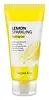 Key Ingredients
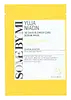
Benefits
Concerns
Ingredients Side-by-side
Water
Skin ConditioningCetrimonium Chloride
Antimicrobial
Cellulose
Absorbent
Propylene Glycol
Humectant


Zanthoxylum Piperitum Fruit Extract
Skin ConditioningFlower Extract
Usnea Barbata Extract
Carbomer
Emulsion StabilisingPolysorbate 80
Emulsifying
Citrus Limon Fruit Water
MaskingCitrus Limon Fruit Extract
Masking
Camellia Sinensis Leaf Extract
Antimicrobial





Althaea Rosea Flower Extract
Skin ConditioningAloe Barbadensis Leaf Extract
Emollient
Hamamelis Virginiana Extract
Antiseborrhoeic
Centella Asiatica Extract
Cleansing


Carica Papaya Fruit Extract
Skin ConditioningHydrolyzed Collagen
Emollient
Sodium Hyaluronate
Humectant
Oryza Sativa Extract
Absorbent
Fucus Vesiculosus Extract
Emollient
Brassica Oleracea Italica Extract
AstringentPortulaca Pilosa Extract
Skin ConditioningChamomilla Recutita Extract
Skin Conditioning
1,2-Hexanediol
Skin Conditioning
Disodium EDTA
ChelatingParfum
Masking

Water, Cetrimonium Chloride, Cellulose, Propylene Glycol, Zanthoxylum Piperitum Fruit Extract, Flower Extract, Usnea Barbata Extract, Carbomer, Polysorbate 80, Citrus Limon Fruit Water, Citrus Limon Fruit Extract, Camellia Sinensis Leaf Extract, Althaea Rosea Flower Extract, Aloe Barbadensis Leaf Extract, Hamamelis Virginiana Extract, Centella Asiatica Extract, Carica Papaya Fruit Extract, Hydrolyzed Collagen, Sodium Hyaluronate, Oryza Sativa Extract, Fucus Vesiculosus Extract, Brassica Oleracea Italica Extract, Portulaca Pilosa Extract, Chamomilla Recutita Extract, 1,2-Hexanediol, Disodium EDTA, Parfum
Niacinamide Glycolate 2%
Skin Conditioning
Citrus Junos Fruit Extract
Skin ConditioningMethylpropanediol
Solvent1,2-Hexanediol
Skin Conditioning
Hydroxyacetophenone
Antioxidant
Arginine
Masking
Acrylates/C10-30 Alkyl Acrylate Crosspolymer
Emulsion StabilisingButylene Glycol
Humectant
Hydroxyethylcellulose
Emulsion StabilisingAllantoin
Skin Conditioning
Carbomer
Emulsion StabilisingPropanediol
Solvent
Polyglyceryl-4 Caprate
EmulsifyingPolyglyceryl-6 Caprylate
EmulsifyingAdenosine
Skin Conditioning
Ethylhexylglycerin
Skin ConditioningDisodium EDTA
ChelatingCoptis Japonica Root Extract
Skin ConditioningPanthenol
Skin Conditioning
Tocopherol
Antioxidant
Portulaca Oleracea Extract
Skin Conditioning
Helianthus Annuus Seed Oil
Emollient
Pogostemon Cablin Leaf Oil
Masking
Cymbopogon Martini Oil
Masking
Arbutin
Antioxidant
3-O-Ethyl Ascorbic Acid
Skin Conditioning
Tricholoma Matsutake Extract
Skin ConditioningScutellaria Baicalensis Root Extract
Astringent
Oryza Sativa Extract
Absorbent
Angelica Keiskei Leaf/Stem Extract
Skin ConditioningPanax Ginseng Root Extract
Emollient
Rosmarinus Officinalis Leaf Extract
AntimicrobialHyaluronic Acid
Humectant
Hydrolyzed Hyaluronic Acid
Humectant
Sodium Hyaluronate
Humectant
Glutathione
Limonene
Perfuming
Geraniol
Perfuming
Niacinamide Glycolate 2%, Citrus Junos Fruit Extract, Methylpropanediol, 1,2-Hexanediol, Hydroxyacetophenone, Arginine, Acrylates/C10-30 Alkyl Acrylate Crosspolymer, Butylene Glycol, Hydroxyethylcellulose, Allantoin, Carbomer, Propanediol, Polyglyceryl-4 Caprate, Polyglyceryl-6 Caprylate, Adenosine, Ethylhexylglycerin, Disodium EDTA, Coptis Japonica Root Extract, Panthenol, Tocopherol, Portulaca Oleracea Extract, Helianthus Annuus Seed Oil, Pogostemon Cablin Leaf Oil, Cymbopogon Martini Oil, Arbutin, 3-O-Ethyl Ascorbic Acid, Tricholoma Matsutake Extract, Scutellaria Baicalensis Root Extract, Oryza Sativa Extract, Angelica Keiskei Leaf/Stem Extract, Panax Ginseng Root Extract, Rosmarinus Officinalis Leaf Extract, Hyaluronic Acid, Hydrolyzed Hyaluronic Acid, Sodium Hyaluronate, Glutathione, Limonene, Geraniol
Reviews
Ingredients Explained
These ingredients are found in both products.
Ingredients higher up in an ingredient list are typically present in a larger amount.
1,2-Hexanediol is a synthetic liquid and another multi-functional powerhouse.
It is a:
- Humectant, drawing moisture into the skin
- Emollient, helping to soften skin
- Solvent, dispersing and stabilizing formulas
- Preservative booster, enhancing the antimicrobial activity of other preservatives
Carbomer is a synthetic thickening and gelling agent. It's basically the ingredient that gives a lot of serums, gels, creams, and sunscreens their smooth, non-sticky texture.
Although legally permitted at very high levels, carbomers are normally used at concentrations below 1%.
It also needs to be neutralized to actually thicken, and because it is a large molecule, it doesn't really penetrate the skin barrier.
Allergy-wise, the risk is very low. Clinical studies show carbomers have low potential for skin irritation/sensitization even at concentrations up to 100%.
A 2024 UK study patch-tested 1,302 patients and found true allergy to the parent group of carbomer to be rare with no confirmed relevant reactions.
Learn more about CarbomerDisodium EDTA is a chelating agent. It grabs onto and deactivates metal ions that sneak into your products from water, packaging, or air.
This ingredient mainly works behind the scenes and helps with:
On top of that, this ingredient can counteract the effects of hard water by binding to the minerals in it.
One thing worth knowing is that Disodium EDTA has been shown to be a mild penetration enhancer. It can help other ingredients absorb into skin more effectively which can be a double-edged sword (great for actives, but can also make the active too strong if you have sensitive skin).
Clinical patch testing showed no significant skin irritation at typical use concentrations and minimal dermal absorption.
You'll most likely see this ingredient near the end of an ingredient list. It's typically found in concentrations less than 1%.
Learn more about Disodium EDTAOryza Sativa Extract comes from the rice grain, Oryza sativa. Rice extract has wound healing, antioxidant, anti-inflammatory, and hydrating properties.
Rice grains contain numerous antioxidants which may help with anti-aging, such as vitamin E. Antioxidants help stabilize free-radical molecules. Unstable free-radical molecules may damage your skin cells and accelerate signs of aging.
A study from 2002 found rice to help increase the rate of wound healing. The same study found an improvement of skin barrier function in the patients after taking rice baths.
Numerous in-vitro studies have found rice water to help decrease sun damage by increasing collagen production and inhibiting the process of tyrosinase.
Long story short- tyrosinase is an enzyme that controls melanin production. Our bodies start producing melanin (AKA tanning) when exposed to UV radiation to protect against damage. Rice water is found to partially block this process.
Though more research is needed on rice's ability to help with UV protection, recent studies seem promising.
Wondering why rice is hydrating? The protein in rice have emollient properties. Emollients create a barrier on the skin to trap moisture in, keeping your skin moisturized.
Some rice extract may have mildly-exfoliating properties. These are mainly limited to Oryza Sativa (Rice) Bran and Oryza Sativa (Rice) Germ Powder.
This rice was first cultivated in China over 10,000 years ago. Many cultures throughout Asia have used rice water on skin and hair for centuries.
Learn more about Oryza Sativa ExtractSodium Hyaluronate is the salt form of hyaluronic acid. It is a long sugar chain that is naturally found in your skin, joints, and connective tissue that maintains hydration and elasticity.
In skincare, it works as a humectant. It pulls water from the environment and deeper layers of skin and binds it to the surface.
Interestingly, the size of the molecule affects its behavior:
Some clinical evidence links low molecular weight versions to improved wrinkle depth, elasticity, anti-inflammatory effects, and barrier repair.
Many serums use a blend of both weights so you can get surface hydration plus longer-lasting and deeper effects.
You'll typically see concentrations between 0.1-2% for this ingredient.
Learn more about Sodium Hyaluronate

