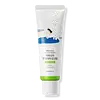
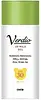
Round Lab Birch Juice Mild-Up UVLock SPF 50+ Versus The OMI Brotherhood Verdio UV Mild Gel N SPF 30 PA+++
This hybrid sunscreen covers the full UV range and blocks ~98% of UVB at SPF 50.
This mineral sunscreen covers the full UV range and blocks ~97% of UVB at SPF 30.


What's inside
What's inside
 Key Ingredients
Benefits
Concerns
Ingredients Side-by-side
Water
Skin ConditioningZinc Oxide
Cosmetic Colorant


Cyclohexasiloxane
Emollient
Butyloctyl Salicylate
Skin Conditioning
Propanediol
Solvent

Propylheptyl Caprylate
EmollientIsododecane
EmollientCaprylyl Methicone
Skin Conditioning
Polyglyceryl-3 Polydimethylsiloxyethyl Dimethicone
Skin Conditioning
Methyl Methacrylate Crosspolymer
Methyl Trimethicone
Skin Conditioning
Betula Platyphylla Japonica Juice
Skin Conditioning
Cryptomeria Japonica Leaf Extract
HumectantNelumbo Nucifera Leaf Extract
Skin ConditioningSaccharomyces Ferment Filtrate
Humectant


Glyceryl Glucoside
Humectant
Sodium Hyaluronate
Humectant

Hyaluronic Acid
Humectant
Glycerin
Humectant
Butylene Glycol
Humectant
Triethoxycaprylylsilane
Artemisia Annua Extract
Masking
Anthemis Nobilis Flower Oil
Masking



Pinus Sylvestris Leaf Oil
Masking
Ethylhexylglycerin
Skin ConditioningAscorbic Acid
Antioxidant




Tocopherol
Antioxidant
Glyceryl Caprylate
EmollientCaprylyl Glycol
Emollient
Polymethylsilsesquioxane
Lauryl Polyglyceryl-3 Polydimethylsiloxyethyl Dimethicone
Skin Conditioning
1,2-Hexanediol
Skin Conditioning
Polyglyceryl-2 Dipolyhydroxystearate
Skin Conditioning
Disteardimonium Hectorite
StabilisingMagnesium Sulfate
Water, Zinc Oxide, Cyclohexasiloxane, Butyloctyl Salicylate, Propanediol, Propylheptyl Caprylate, Isododecane, Caprylyl Methicone, Polyglyceryl-3 Polydimethylsiloxyethyl Dimethicone, Methyl Methacrylate Crosspolymer, Methyl Trimethicone, Betula Platyphylla Japonica Juice, Cryptomeria Japonica Leaf Extract, Nelumbo Nucifera Leaf Extract, Saccharomyces Ferment Filtrate, Glyceryl Glucoside, Sodium Hyaluronate, Hyaluronic Acid, Glycerin, Butylene Glycol, Triethoxycaprylylsilane, Artemisia Annua Extract, Anthemis Nobilis Flower Oil, Pinus Sylvestris Leaf Oil, Ethylhexylglycerin, Ascorbic Acid, Tocopherol, Glyceryl Caprylate, Caprylyl Glycol, Polymethylsilsesquioxane, Lauryl Polyglyceryl-3 Polydimethylsiloxyethyl Dimethicone, 1,2-Hexanediol, Polyglyceryl-2 Dipolyhydroxystearate, Disteardimonium Hectorite, Magnesium Sulfate
Water
Skin ConditioningButylene Glycol
Humectant
Titanium Dioxide
Cosmetic Colorant
Hydrogenated Polyisobutene
EmollientCetyl Ethylhexanoate
EmollientPEG-12 Dimethicone
Skin Conditioning
Dimethicone
Emollient
Cyclopentasiloxane
Emollient
Triethoxycaprylylsilane
Aluminum Hydroxide
EmollientSolanum Lycopersicum Seed Extract
Skin ConditioningCamellia Sinensis Leaf Extract
Antimicrobial
Allium Cepa Root Extract
Antioxidant
Abies Alba Seed Extract
Antimicrobial
Aloe Barbadensis Leaf Extract
Emollient
Glycerin
Humectant
Hydroxyapatite
Abrasive
Behenyl Alcohol
Emollient
Sodium Acrylate/Sodium Acryloyldimethyl Taurate Copolymer
Emulsion StabilisingSilica
Abrasive
Polyglyceryl-10 Pentastearate
Skin Conditioning
Isohexadecane
EmollientTocopheryl Acetate
Antioxidant
Xanthan Gum
EmulsifyingSodium Stearoyl Lactylate
EmulsifyingCeteth-10
EmulsifyingPolysorbate 80
Emulsifying
Sorbitan Oleate
Emulsifying

Tocopherol
Antioxidant
Sodium Phosphate
BufferingCitric Acid
Buffering
BHT
Antioxidant
Phenoxyethanol
Preservative
Water, Butylene Glycol, Titanium Dioxide, Hydrogenated Polyisobutene, Cetyl Ethylhexanoate, PEG-12 Dimethicone, Dimethicone, Cyclopentasiloxane, Triethoxycaprylylsilane, Aluminum Hydroxide, Solanum Lycopersicum Seed Extract, Camellia Sinensis Leaf Extract, Allium Cepa Root Extract, Abies Alba Seed Extract, Aloe Barbadensis Leaf Extract, Glycerin, Hydroxyapatite, Behenyl Alcohol, Sodium Acrylate/Sodium Acryloyldimethyl Taurate Copolymer, Silica, Polyglyceryl-10 Pentastearate, Isohexadecane, Tocopheryl Acetate, Xanthan Gum, Sodium Stearoyl Lactylate, Ceteth-10, Polysorbate 80, Sorbitan Oleate, Tocopherol, Sodium Phosphate, Citric Acid, BHT, Phenoxyethanol
Reviews
Ingredients Explained
These ingredients are found in both products.
Ingredients higher up in an ingredient list are typically present in a larger amount.
Butylene Glycol (or BG) is used within cosmetic products for a few different reasons:
Overall, Butylene Glycol is a safe and well-rounded ingredient that works well with other ingredients.
Though this ingredient works well with most skin types, some people with sensitive skin may experience a reaction such as allergic rashes, closed comedones, or itchiness.
Learn more about Butylene GlycolGlycerin (or glycerol) is a compound naturally found in your skin. It's a powerhouse humectant that pulls water into the stratum corneum.
Topically, glycerin does several things at once:
Your skin makes glycerin on its own (mostly from sebaceous oil breakdown) and shuttles it to your outermost layer of skin, or your epidermis, via aquaporin-3.
Aquaporin-3 is a transporter that is essential for normal skin hydration, elasticity, and repair. Interestingly, mice lacking in AQP3 have dry and less elastic skin that can be fully corrected with glycerin.
This ingredient is non-irritating, plays well with almost every ingredient, and works across all skin types. Typical use is anywhere between 3-10% but can go up to 79% in some leave-on products.
Just know very high concentrations (>40%) can feel tacky in low humidity.
Glycerin is the name for this ingredient in American English. British English uses Glycerol/Glycerine.
Learn more about GlycerinTocopherol is a fat-soluble antioxidant known as Vitamin E.
You'll find this ingredient in the vast majority of skincare (for good reason). It works to neutralize free radicals, or unstable molecules generated by UV exposure, pollution, and other environmental stressors, before they can cause oxidative damage to your skin cells.
Topically applied tocopherol has been shown to protect against UV damage by ramping up the skin's own natural defense enzymes.
It also acts as a skin conditioning agent; some studies show that regular topical use can improve the skin's water-binding capacity over 2-4 weeks.
This ingredient is especially loved for being a team player. When combined with Vitamin C, the photoprotective effect of both ingredients roughly doubles and the combo also helps reduce UV-induced DNA damage.
This ingredient has some brightening potential but it's more of a prevention ingredient than spot-fader. Cell studies show it can slow down melanin production but it's worth noting that it's not the most powerful brightener out there.
In formulations, it also serves as a stabilizer that helps protect other oxidation-prone ingredients from degrading.
Concentrations usually range from 0.1-1% in most leave-on products.
Learn more about TocopherolTriethoxycaprylylsilane is a silicon-based surface modifier that makes sunscreens feel silky and makeup stay put.
Its main job is to coat mineral particles like titanium dioxide, zinc oxide, and color pigments in a thin, oily layer so they spread smoothly, don't clump, and stick to skin better.
This ingredient is typically used at low levels (up to 2.5% in eyeshadow and 1% in lipstick).
Learn more about TriethoxycaprylylsilaneWater. It's the most common cosmetic ingredient of all. You'll usually see it at the top of ingredient lists, meaning that it makes up the largest part of the product.
So why is it so popular? Water most often acts as a solvent - this means that it helps dissolve other ingredients into the formulation.
You'll also recognize water as that liquid we all need to stay alive. If you see this, drink a glass of water. Remember to stay hydrated!
Learn more about Water

