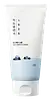
This mild gel cleanser is made to cleanse without leaving your skin tight or dry.
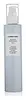
This smoothing exfoliator is formulated around Gluconolactone to refine skin texture and refine the look of pores.


What's inside
What's inside
 Key Ingredients
Benefits
Concerns
Ingredients Side-by-side
Water
Skin ConditioningSodium Cocoyl Isethionate
Cleansing
Glycerin
Humectant


Sodium Methyl Cocoyl Taurate
Cleansing
Coco-Betaine
Cleansing
Potassium Cocoyl Glycinate
Surfactant
Potassium Benzoate
Preservative
Sodium Chloride
MaskingPolyquaternium-67
Potassium Cocoate
Emulsifying

Citric Acid
Buffering


Fructooligosaccharides
Humectant
Saccharide Hydrolysate
HumectantDisodium EDTA
Pullulan
1,2-Hexanediol
Skin Conditioning
Allantoin
Skin Conditioning

Panthenol
Skin Conditioning
Sea Water
HumectantSodium Acetate
BufferingButylene Glycol
Humectant
Chamomilla Recutita Flower Oil
Masking
Caprylic/Capric Triglyceride
Masking
Beta-Glucan
Skin Conditioning
Phosphatidylcholine
EmulsifyingHyaluronic Acid
Humectant

Ethylhexylglycerin
Skin ConditioningCeramide NP
Skin Conditioning
Glycine
Buffering
Hydrolyzed Hyaluronic Acid
Humectant
Glutamic Acid
Humectant
Serine
Masking
Sodium Hyaluronate
Humectant
Lysine
Skin ConditioningAlanine
Masking
Arginine
Masking
Threonine
Proline
Skin Conditioning
Water, Sodium Cocoyl Isethionate, Glycerin, Sodium Methyl Cocoyl Taurate, Coco-Betaine, Potassium Cocoyl Glycinate, Potassium Benzoate, Sodium Chloride, Polyquaternium-67, Potassium Cocoate, Citric Acid, Fructooligosaccharides, Saccharide Hydrolysate, Disodium EDTA, Pullulan, 1,2-Hexanediol, Allantoin, Panthenol, Sea Water, Sodium Acetate, Butylene Glycol, Chamomilla Recutita Flower Oil, Caprylic/Capric Triglyceride, Beta-Glucan, Phosphatidylcholine, Hyaluronic Acid, Ethylhexylglycerin, Ceramide NP, Glycine, Hydrolyzed Hyaluronic Acid, Glutamic Acid, Serine, Sodium Hyaluronate, Lysine, Alanine, Arginine, Threonine, Proline
Water
Skin ConditioningGluconolactone
Skin Conditioning




Sodium Lauryl Glucose Carboxylate
CleansingCaprylyl/Capryl Glucoside
CleansingLauryl Glucoside
CleansingDisodium Cocoamphodiacetate
CleansingArginine
Masking
Propanediol
Solvent
Acrylates/C10-30 Alkyl Acrylate Crosspolymer
Emulsion StabilisingBenzyl Alcohol
Perfuming




Parfum
Masking
Sodium Hydroxide
BufferingCoco-Glucoside
Cleansing
Glyceryl Oleate
Emollient
Sodium Benzoate
Masking
Tetrasodium Glutamate Diacetate
Sodium Cocoyl Glutamate
Cleansing
Citric Acid
Buffering
Potassium Abietoyl Hydrolyzed Soy Protein
Skin ConditioningGuar Hydroxypropyltrimonium Chloride
Skin ConditioningGlyceryl Caprylate
EmollientPolyglyceryl-6 Oleate
Emulsifying
Sorbic Acid
Preservative
Sodium Surfactin
CleansingGarcinia Mangostana Peel Extract
Skin ConditioningTocopherol
Antioxidant


Hydrogenated Palm Glycerides Citrate
Emollient
Lecithin
Emollient
Ascorbyl Palmitate
Antioxidant
Water, Gluconolactone, Sodium Lauryl Glucose Carboxylate, Caprylyl/Capryl Glucoside, Lauryl Glucoside, Disodium Cocoamphodiacetate, Arginine, Propanediol, Acrylates/C10-30 Alkyl Acrylate Crosspolymer, Benzyl Alcohol, Parfum, Sodium Hydroxide, Coco-Glucoside, Glyceryl Oleate, Sodium Benzoate, Tetrasodium Glutamate Diacetate, Sodium Cocoyl Glutamate, Citric Acid, Potassium Abietoyl Hydrolyzed Soy Protein, Guar Hydroxypropyltrimonium Chloride, Glyceryl Caprylate, Polyglyceryl-6 Oleate, Sorbic Acid, Sodium Surfactin, Garcinia Mangostana Peel Extract, Tocopherol, Hydrogenated Palm Glycerides Citrate, Lecithin, Ascorbyl Palmitate
Reviews
Ingredients Explained
These ingredients are found in both products.
Ingredients higher up in an ingredient list are typically present in a larger amount.
Arginine is a semi-essential amino acid. This just means our bodies can product a bit on its own, but sometimes needs a little boost from food sources.
It is a part of your skin's natural moisturizing factor (NMF), or the water-loving molecules in your outermost layer of skin (stratum corneum) that keeps everything hydrated and happy.
Here's an interesting thing about Arginine: your skin converts it into urea through the Krebs-Henseleit urea cycle. Urea is one of the most effective humectants your skin naturally produces.
A clinical study showed applying 2.5% arginine hydrochloride to atopic dermatitis skin showed significant urea levels in the stratum corneum and improved moisture in just four weeks.
Arginine is also a precursor to nitric oxide; nitric oxide improves microcirculation and supports wound healing and collagen synthesis.
One study found that an amino acid complex containing Arginine reduced skin irritation, improved hydration, and accelerated skin repair in clinical / in-vivo studies.
Arginine itself is an amino acid and not a fatty acid, oil, or ester. On its own, it's not a direct food source for Malassezia, or the yeast that causes fungal acne.
Learn more about ArginineCitric Acid is an alpha hydroxy acid (AHA) naturally found in citrus fruits like oranges, lemons, and limes.
Like other AHAs, citric acid can exfoliate skin by breaking down the bonds that hold dead skin cells together. This helps reveal smoother and brighter skin underneath.
However, this exfoliating effect only happens at high concentrations (20%) which can be hard to find in cosmetic products.
Due to this, citric acid is usually included in small amounts as a pH adjuster. This helps keep products slightly more acidic and compatible with skin's natural pH.
In skincare formulas, citric acid can:
While it can provide some skin benefits, research shows lactic acid and glycolic acid are generally more effective and less irritating exfoliants.
Most citric acid used in skincare today is made by fermenting sugars (usually from molasses). This synthetic version is identical to the natural citrus form but easier to stabilize and use in formulations.
Rosacea skin has a lower threshold for acids generally, with 62.5% of rosacea subjects in one study reacting to lactic acid in a sting test. This is why we mark citric acid as a potential rosacea trigger.
However, this ingredient shows up as a pH adjuster or chelator at roughly 0.1-1% in many products. These low levels are unlikely to be an issue for rosacea skin and becomes a potential trigger at exfoliating concentrations (20%). Because everybody's skin is unique, we recommend a patch test if you are unsure.
Learn more about Citric AcidWater. It's the most common cosmetic ingredient of all. You'll usually see it at the top of ingredient lists, meaning that it makes up the largest part of the product.
So why is it so popular? Water most often acts as a solvent - this means that it helps dissolve other ingredients into the formulation.
You'll also recognize water as that liquid we all need to stay alive. If you see this, drink a glass of water. Remember to stay hydrated!
Learn more about Water

