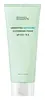
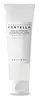
ROUND A'ROUND Green Tea Moisture Cleansing Foam Versus SKIN1004 Madagascar Centella Tone Brightening Cleansing Gel Foam
This mild foaming cleanser is mild enough to cleanse without leaving skin feeling tight or stripped.

What's inside
What's inside
 Key Ingredients
Benefits
Concerns
Ingredients Side-by-side
Water
Skin ConditioningCamellia Sinensis Leaf Water 10%
Masking
Disodium Cocoamphodiacetate
CleansingSodium Cocoyl Alaninate
Surfactant
Sodium Methyl Cocoyl Taurate
Cleansing
Acrylates/C10-30 Alkyl Acrylate Crosspolymer
Emulsion StabilisingSodium Chloride
MaskingGlycerin
Humectant


Methylpropanediol
SolventDisodium 2-Sulfolaurate
CleansingCamellia Sinensis Leaf Extract 0.1%
Antimicrobial






Lactobacillus/Rye Flour Ferment
Skin ConditioningLactobacillus/Soymilk Ferment Filtrate
Skin ConditioningBacillus/Soybean Ferment Extract
Skin ConditioningCarica Papaya Fruit Extract
Skin ConditioningCitrus Aurantium Bergamia Fruit Oil
Masking


Lavandula Angustifolia Oil
Masking
Quillaja Saponaria Bark Extract
CleansingLauryl Hydroxysultaine
Cleansing1,2-Hexanediol
Skin Conditioning
Caprylyl Glycol
Emollient
Coco-Glucoside
Cleansing
Tromethamine
BufferingSodium Cocoyl Isethionate
Cleansing
Sodium Citrate
BufferingStyrene/Acrylates Copolymer
Hexylene Glycol
EmulsifyingSodium Myristoyl Glutamate
CleansingCitric Acid
Buffering

Butylene Glycol
Humectant
Ceramide NP
Skin Conditioning
Propanediol
Solvent
Niacinamide
Smoothing



Folic Acid
Skin ConditioningPantothenic Acid
Skin ConditioningPyridoxine
Skin ConditioningThiamine Hcl
MaskingCyanocobalamin
Skin ConditioningRiboflavin
Cosmetic ColorantXanthan Gum
EmulsifyingLimonene
Perfuming
Linalool
Perfuming
Water, Camellia Sinensis Leaf Water 10%, Disodium Cocoamphodiacetate, Sodium Cocoyl Alaninate, Sodium Methyl Cocoyl Taurate, Acrylates/C10-30 Alkyl Acrylate Crosspolymer, Sodium Chloride, Glycerin, Methylpropanediol, Disodium 2-Sulfolaurate, Camellia Sinensis Leaf Extract 0.1%, Lactobacillus/Rye Flour Ferment, Lactobacillus/Soymilk Ferment Filtrate, Bacillus/Soybean Ferment Extract, Carica Papaya Fruit Extract, Citrus Aurantium Bergamia Fruit Oil, Lavandula Angustifolia Oil, Quillaja Saponaria Bark Extract, Lauryl Hydroxysultaine, 1,2-Hexanediol, Caprylyl Glycol, Coco-Glucoside, Tromethamine, Sodium Cocoyl Isethionate, Sodium Citrate, Styrene/Acrylates Copolymer, Hexylene Glycol, Sodium Myristoyl Glutamate, Citric Acid, Butylene Glycol, Ceramide NP, Propanediol, Niacinamide, Folic Acid, Pantothenic Acid, Pyridoxine, Thiamine Hcl, Cyanocobalamin, Riboflavin, Xanthan Gum, Limonene, Linalool
Centella Asiatica Extract 41%
Cleansing
Water
Skin ConditioningLauryl Hydroxysultaine
CleansingGlycerin
Humectant
Disodium Cocoamphodiacetate
CleansingPotassium Cocoyl Glycinate
Surfactant
Sodium Chloride
MaskingPotassium Cocoate
Emulsifying
Sodium Lauroyl Glutamate
SurfactantVitis Vinifera Fruit Extract
Skin ConditioningPyrus Malus Fruit Extract
Skin Conditioning
Carica Papaya Fruit Extract
Skin ConditioningPrunus Mume Fruit Extract
Humectant
Madecassoside
Antioxidant
1,2-Hexanediol
Skin Conditioning
Xylitylglucoside
Humectant
Anhydroxylitol
Humectant
Xylitol
Humectant
Niacinamide
Smoothing
Acrylates/C10-30 Alkyl Acrylate Crosspolymer
Emulsion Stabilising3-O-Ethyl Ascorbic Acid
Skin Conditioning
Trehalose
Humectant
Butylene Glycol
Humectant
Panthenol
Skin Conditioning
Agave Tequilana Leaf Extract
AstringentGlucose
Humectant
Caprylic/Capric Triglyceride
Masking
Hexylene Glycol
EmulsifyingPentylene Glycol
Skin Conditioning
Citric Acid
Buffering
Potassium Benzoate
Preservative
Ethylhexylglycerin
Skin ConditioningDisodium EDTA
ChelatingCentella Asiatica Extract 41%, Water, Lauryl Hydroxysultaine, Glycerin, Disodium Cocoamphodiacetate, Potassium Cocoyl Glycinate, Sodium Chloride, Potassium Cocoate, Sodium Lauroyl Glutamate, Vitis Vinifera Fruit Extract, Pyrus Malus Fruit Extract, Carica Papaya Fruit Extract, Prunus Mume Fruit Extract, Madecassoside, 1,2-Hexanediol, Xylitylglucoside, Anhydroxylitol, Xylitol, Niacinamide, Acrylates/C10-30 Alkyl Acrylate Crosspolymer, 3-O-Ethyl Ascorbic Acid, Trehalose, Butylene Glycol, Panthenol, Agave Tequilana Leaf Extract, Glucose, Caprylic/Capric Triglyceride, Hexylene Glycol, Pentylene Glycol, Citric Acid, Potassium Benzoate, Ethylhexylglycerin, Disodium EDTA
Reviews
Ingredients Explained
These ingredients are found in both products.
Ingredients higher up in an ingredient list are typically present in a larger amount.
1,2-Hexanediol is a synthetic liquid and another multi-functional powerhouse.
It is a:
- Humectant, drawing moisture into the skin
- Emollient, helping to soften skin
- Solvent, dispersing and stabilizing formulas
- Preservative booster, enhancing the antimicrobial activity of other preservatives
Acrylates/C10-30 Alkyl Acrylate Crosspolymer is a synthetic polymer. It is used to thicken, emulsify, and improve the texture of products.
As an emulsifier, it helps stabilize oil-in-water emulsions to give products an elegant feel when applied.
It can also form a thin protective film on skin. One study found that a formula using this polymer helped slow down how quickly other ingredients (like DEET) were absorbed through skin.
A 2024 study of over 1,300 patients confirmed that sensitization to this ingredient is rare. It is also non-mutagenic and has a clean track record.
Learn more about Acrylates/C10-30 Alkyl Acrylate CrosspolymerButylene Glycol (or BG) is used within cosmetic products for a few different reasons:
Overall, Butylene Glycol is a safe and well-rounded ingredient that works well with other ingredients.
Though this ingredient works well with most skin types, some people with sensitive skin may experience a reaction such as allergic rashes, closed comedones, or itchiness.
Learn more about Butylene GlycolCarica Papaya Fruit Extract comes from the flesh of the papaya. It's a skin conditioning agent that carries a mix of bioactives like papain, beta-carotene, and vitamin C.
These bioactive compounds give it two main talking points:
1. Papain is a proteolytic enzyme that provides mild exfoliation, helping skin look smoother and more even.
2. The carotenoids and vitamin C provide some antioxidant activity.
It's pretty compatible with most ingredients, but just sure to space out enzyme products with strong acids/retinoids to avoid over-doing it.
Maximum reported concentration is around 0.1% and most leave-on products use just 0.05%. If you see higher figures like 5-10%, this is usually the pre-diluted material from raw extract suppliers.
This ingredient has an assuring safety record and there's a lack of clinical case reports of dermatitis from using it.
The only caveat is allergy: patch test if you have a papaya or latex-fruit allergy.
Learn more about Carica Papaya Fruit ExtractCitric Acid is an alpha hydroxy acid (AHA) naturally found in citrus fruits like oranges, lemons, and limes.
Like other AHAs, citric acid can exfoliate skin by breaking down the bonds that hold dead skin cells together. This helps reveal smoother and brighter skin underneath.
However, this exfoliating effect only happens at high concentrations (20%) which can be hard to find in cosmetic products.
Due to this, citric acid is usually included in small amounts as a pH adjuster. This helps keep products slightly more acidic and compatible with skin's natural pH.
In skincare formulas, citric acid can:
While it can provide some skin benefits, research shows lactic acid and glycolic acid are generally more effective and less irritating exfoliants.
Most citric acid used in skincare today is made by fermenting sugars (usually from molasses). This synthetic version is identical to the natural citrus form but easier to stabilize and use in formulations.
Rosacea skin has a lower threshold for acids generally, with 62.5% of rosacea subjects in one study reacting to lactic acid in a sting test. This is why we mark citric acid as a potential rosacea trigger.
However, this ingredient shows up as a pH adjuster or chelator at roughly 0.1-1% in many products. These low levels are unlikely to be an issue for rosacea skin and becomes a potential trigger at exfoliating concentrations (20%). Because everybody's skin is unique, we recommend a patch test if you are unsure.
Learn more about Citric AcidDisodium Cocoamphodiacetate is a surfactant and helps cleanse skin. It is created from the fatty acids of coconut oil.
Surfactants help rinse oil, dirt, and other pollutants easily from skin. It has a faint fruit-like scent.
Glycerin (or glycerol) is a compound naturally found in your skin. It's a powerhouse humectant that pulls water into the stratum corneum.
Topically, glycerin does several things at once:
Your skin makes glycerin on its own (mostly from sebaceous oil breakdown) and shuttles it to your outermost layer of skin, or your epidermis, via aquaporin-3.
Aquaporin-3 is a transporter that is essential for normal skin hydration, elasticity, and repair. Interestingly, mice lacking in AQP3 have dry and less elastic skin that can be fully corrected with glycerin.
This ingredient is non-irritating, plays well with almost every ingredient, and works across all skin types. Typical use is anywhere between 3-10% but can go up to 79% in some leave-on products.
Just know very high concentrations (>40%) can feel tacky in low humidity.
Glycerin is the name for this ingredient in American English. British English uses Glycerol/Glycerine.
Learn more about GlycerinHexylene Glycol is a multitasker ingredient that works as a solvent, humectant, emulsifier, viscosity reducer, and preservative booster.
It is able to dissolve both water and oil-soluble ingredients to stabilize tricky actives and make products spread more easily.
As a humectant, it pulls water into the skin. But it's a pretty minor moisturizing ingredient compared to other humectants, like glycerin.
Interestingly, it can act as a mild penetration enhancer. One in vitro study on human skin found a 12% concentration upped the absorption of mometasone furoate (a medicinal ingredient used to treat inflammatory skin conditions) up to 7%.
This ingredient is typically used at levels of 0.1-10% depending on the role it's playing.
A patch test study on eczema patients didn't find a significant increase in irritation versus the control group, but the potential for irritation rises at higher concentrations.
Learn more about Hexylene GlycolLauryl Hydroxysultaine is a mild surfactant or cleansing ingredient that helps lift away dirt/oil, boost foam, and thicken the formula. It plays nicely with other surfactants and stays stable across a wide pH range.
Niacinamide is a multitasking form of vitamin B3 that strengthens the skin barrier, reduces pores and dark spots, regulates oil, and improves signs of aging.
And the best part? It's gentle and well-tolerated by most skin types, including sensitive and reactive skin.
You might have heard of "niacin flush", or the reddening of skin that causes itchiness. Niacinamide has not been found to cause this.
In very rare cases, some individuals may not be able to tolerate niacinamide at all or experience an allergic reaction to it.
If you are experiencing flaking, irritation, and dryness with this ingredient, be sure to double check all your products as this ingredient can be found in all categories of skincare.
When incorporating niacinamide into your routine, look out for concentration amounts. Typically, 5% niacinamide provides benefits such as fading dark spots. However, if you have sensitive skin, it is better to begin with a smaller concentration.
When you apply niacinamide to your skin, your body converts it into nicotinamide adenine dinucleotide (NAD). NAD is an essential coenzyme that is already found in your cells as "fuel" and powers countless biological processes.
In your skin, NAD helps repair cell damage, produce new healthy cells, support collagen production, strengthen the skin barrier, and fight environmental stressors (like UV and pollution).
Our natural NAD levels start to decline with age, leading to slower skin repair, visible aging, and a weaker skin barrier. By providing your skin niacinamide, you're recharging your skin's NAD levels. This leads to stronger, healthier, and younger looking skin.
Another name for vitamin B3 is nicotinamide. This vitamin is water-soluble and our bodies don't store it. We obtain Vitamin B3 from either food or skincare. Meat, fish, wheat, yeast, and leafy greens contain vitamin B3.
The type of niacinamide used in skincare is synthetically created.
Learn more about NiacinamideChances are, you eat sodium chloride every day. Sodium Chloride is also known as table salt. This ingredient has many purposes in skincare: thickener, emulsifier, and exfoliator.
You'll most likely find this ingredient in cleansers where it is used to create a gel-like texture. As an emulsifier, it also prevents ingredients from separating.
You might see people debate whether Sodium Chloride is comedogenic, but there actually haven't been any comedogenic tests done on it. Either way, the overall formulation of a product matters a lot more than any single ingredient.
You might see this ingredient used in scrubs as a primary exfoliating ingredient.
Learn more about Sodium ChlorideWater. It's the most common cosmetic ingredient of all. You'll usually see it at the top of ingredient lists, meaning that it makes up the largest part of the product.
So why is it so popular? Water most often acts as a solvent - this means that it helps dissolve other ingredients into the formulation.
You'll also recognize water as that liquid we all need to stay alive. If you see this, drink a glass of water. Remember to stay hydrated!
Learn more about Water

