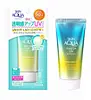
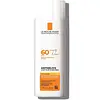
Skin Aqua Tone Up UV Essence SPF 50+ PA++++ Versus La Roche-Posay La Roche Posay Anthelios Ultra Light Face Sunscreen-SPF 60


What's inside
What's inside
 Key Ingredients
Benefits
Concerns
Ingredients Side-by-side
Water
Skin ConditioningButylene Glycol
Humectant
Melaleuca Alternifolia Leaf Oil
Antioxidant




Disodium EDTA
PEG-12 Dimethicone
Skin Conditioning
Sodium Hyaluronate
Humectant

Acrylates/C10-30 Alkyl Acrylate Crosspolymer
Emulsion StabilisingBlue 1 Lake
Cosmetic ColorantBis-Ethylhexyloxyphenol Methoxyphenyl Triazine
Skin Conditioning
Magnesium Ascorbyl Phosphate
Antioxidant




Silica
Abrasive

Talc
Abrasive
Titanium Dioxide
Cosmetic Colorant
Decyl Glucoside
CleansingCI 45380
Cosmetic ColorantMethyl Methacrylate Crosspolymer
Ammonium Acryloyldimethyltaurate/Vp Copolymer
Synthetic Fluorphlogopite
Diethylamino Hydroxybenzoyl Hexyl Benzoate
UV Filter
Glycol Dimethacrylate Crosspolymer
Polyglyceryl-2 Triisostearate
Emulsifying
Parfum
Masking
Polysilicone-13
Alcohol Denat.
Antimicrobial



Methylene Bis-Benzotriazolyl Tetramethylbutylphenol
UV Filter
Diphenylsiloxy Phenyl Trimethicone
Skin Conditioning
Xanthan Gum
EmulsifyingBarm Extract
Skin ConditioningPolystyrene
Bis-PEG-18 Methyl Ether Dimethyl Silane
EmollientSodium Ascorbyl Phosphate
Antioxidant
Polyvinyl Alcohol
Acrylates Copolymer
Alumina
Abrasive
Mica
Cosmetic Colorant
Kunzea Pomifera Fruit Extract
Skin ConditioningHydrolyzed Prunus Domestica
Skin ConditioningRose Extract
Skin ConditioningBHT
Antioxidant
Ethylhexyl Methoxycinnamate
UV Absorber
CI 77492
Cosmetic ColorantTriethylhexanoin
MaskingOenothera Biennis Flower Extract
AstringentTin Oxide
Abrasive
Polysorbate 60
Emulsifying
Cnidium Monnieri Fruit Extract
HumectantPEG-40 Stearate
Emulsifying
Propylene Glycol
Humectant
Water, Butylene Glycol, Melaleuca Alternifolia Leaf Oil, Disodium EDTA, PEG-12 Dimethicone, Sodium Hyaluronate, Acrylates/C10-30 Alkyl Acrylate Crosspolymer, Blue 1 Lake, Bis-Ethylhexyloxyphenol Methoxyphenyl Triazine, Magnesium Ascorbyl Phosphate, Silica, Talc, Titanium Dioxide, Decyl Glucoside, CI 45380, Methyl Methacrylate Crosspolymer, Ammonium Acryloyldimethyltaurate/Vp Copolymer, Synthetic Fluorphlogopite, Diethylamino Hydroxybenzoyl Hexyl Benzoate, Glycol Dimethacrylate Crosspolymer, Polyglyceryl-2 Triisostearate, Parfum, Polysilicone-13, Alcohol Denat., Methylene Bis-Benzotriazolyl Tetramethylbutylphenol, Diphenylsiloxy Phenyl Trimethicone, Xanthan Gum, Barm Extract, Polystyrene, Bis-PEG-18 Methyl Ether Dimethyl Silane, Sodium Ascorbyl Phosphate, Polyvinyl Alcohol, Acrylates Copolymer, Alumina, Mica, Kunzea Pomifera Fruit Extract, Hydrolyzed Prunus Domestica, Rose Extract, BHT, Ethylhexyl Methoxycinnamate, CI 77492, Triethylhexanoin, Oenothera Biennis Flower Extract, Tin Oxide, Polysorbate 60, Cnidium Monnieri Fruit Extract, PEG-40 Stearate, Propylene Glycol
Butyl Methoxydibenzoylmethane 3%
UV Absorber
Homosalate 10%
Skin Conditioning
Ethylhexyl Salicylate 5%
UV Absorber
Octocrylene 7%
UV Absorber
Water
Skin ConditioningCyclopentasiloxane
Emollient
Alcohol Denat.
Antimicrobial
Silica
Abrasive
Dicaprylyl Ether
Emollient
Styrene/Acrylates Copolymer
PEG-30 Dipolyhydroxystearate
Emulsifying
Dimethicone
Emollient
Cyclohexasiloxane
Emollient
Polymethylsilsesquioxane
Nylon-12
Dicaprylyl Carbonate
EmollientDiethylhexyl Syringylidenemalonate
Skin ProtectingPhenoxyethanol
Preservative
Lauryl PEG/PPG-18/18 Methicone
Skin Conditioning
Sodium Chloride
Masking
Caprylyl Glycol
Emollient
PEG-8 Laurate
Emulsifying
Isostearyl Alcohol
Emollient
Poly C10-30 Alkyl Acrylate
Emulsion StabilisingDisteardimonium Hectorite
StabilisingP-Anisic Acid
MaskingCaprylic/Capric Triglyceride
Masking
Disodium EDTA
Cassia Alata Leaf Extract
AstringentPropylene Carbonate
SolventSodium Dodecylbenzenesulfonate
CleansingTocopherol
Antioxidant


Butyl Methoxydibenzoylmethane 3%, Homosalate 10%, Ethylhexyl Salicylate 5%, Octocrylene 7%, Water, Cyclopentasiloxane, Alcohol Denat., Silica, Dicaprylyl Ether, Styrene/Acrylates Copolymer, PEG-30 Dipolyhydroxystearate, Dimethicone, Cyclohexasiloxane, Polymethylsilsesquioxane, Nylon-12, Dicaprylyl Carbonate, Diethylhexyl Syringylidenemalonate, Phenoxyethanol, Lauryl PEG/PPG-18/18 Methicone, Sodium Chloride, Caprylyl Glycol, PEG-8 Laurate, Isostearyl Alcohol, Poly C10-30 Alkyl Acrylate, Disteardimonium Hectorite, P-Anisic Acid, Caprylic/Capric Triglyceride, Disodium EDTA, Cassia Alata Leaf Extract, Propylene Carbonate, Sodium Dodecylbenzenesulfonate, Tocopherol
Reviews
Ingredients Explained
These ingredients are found in both products.
Ingredients higher up in an ingredient list are typically present in a larger amount.
Alcohol Denat. is an alcohol with a denaturant property. It is created by mixing ethanol with other additives.
This ingredient gets a bad rep because it is irritating and drying - mostly due to its astringent property. Astringents draw out natural oils in tissue, constricting pores and leaving your skin dried out.
However, alcohol denat. is not all that bad.
Due to its low molecular weight, alcohol denat. tends to evaporate quickly. One study on pig skin found half of applied alcohol evaporated in 10 seconds and less than 3% stayed on skin.
This also helps other ingredients become better absorbed upon application.
Studies are conflicted about whether this ingredient causes skin dehydration. One study from 2005 found adding emollients to propanol-based sanitizer decreased skin dryness and irritation. Another study found irritation only occurs if your skin is already damaged.
Small amounts of alcohol are generally tolerated by oily skin or people who live in humid environments.
The rule of thumb is if this alcohol is near the end of an ingredients list, it will probably not affect your skin much.
Also...
This ingredient has antimicrobial and solvent properties.
The antimicrobial property helps preserve products and increase their shelf life. As a solvent, it helps dissolve other ingredients.
Other types of astringent alcohols include:
Learn more about Alcohol Denat.Disodium EDTA plays a role in making products more stable by aiding other preservatives.
It is a chelating agent, meaning it neutralizes metal ions that may be found in a product.
Disodium EDTA is a salt of edetic acid and is found to be safe in cosmetic ingredients.
Learn more about Disodium EDTASilica, also known as silicon dioxide, is a naturally occurring mineral. It is used as a fine, spherical, and porous powder in cosmetics.
Though it has exfoliant properties, the function of silica varies depending on the product.
The unique structure of silica enhances the spreadability and adds smoothness, making it a great texture enhancer.
It is also used as an active carrier, emulsifier, and mattifier due to its ability to absorb excess oil.
In some products, tiny microneedles called spicules are made from silica or hydrolyzed sponge. When you rub them in, they lightly polish away dead skin layers and enhance the penetration of active ingredients.
Learn more about SilicaWater. It's the most common cosmetic ingredient of all. You'll usually see it at the top of ingredient lists, meaning that it makes up the largest part of the product.
So why is it so popular? Water most often acts as a solvent - this means that it helps dissolve other ingredients into the formulation.
You'll also recognize water as that liquid we all need to stay alive. If you see this, drink a glass of water. Stay hydrated!
Learn more about Water
