

What's inside
What's inside
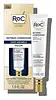 Key Ingredients
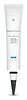
Benefits
Concerns
Ingredients Side-by-side
Water
Skin ConditioningPentaerythrityl Tetraethylhexanoate
Emollient
Glycerin
Humectant

PEG-8
HumectantPPG-15 Stearyl Ether
EmollientNylon-12


Butylene Glycol
Humectant
Stearyl Alcohol
Emollient

Cetearyl Alcohol
Emollient


Ethylhexyl Methoxycinnamate
UV Absorber

Dimethicone
Emollient
Cyclohexasiloxane
Emollient
Ceteareth-20
CleansingIsohexadecane
EmollientButyrospermum Parkii Butter
Skin Conditioning
Retinol
Skin Conditioning







Hydrolyzed Hyaluronic Acid
Humectant
Polyacrylamide
Phenoxyethanol
Preservative
Ammonium Acryloyldimethyltaurate/Vp Copolymer
Caprylyl Glycol
Emollient
Pentylene Glycol
Skin Conditioning
C13-14 Isoparaffin
Emollient
Tocopheryl Acetate
Antioxidant

Laureth-7
EmulsifyingDisodium EDTA
Allantoin
Skin Conditioning

Dihydroxy Methylchromone
Antioxidant
BHT
Antioxidant
Cyclopentasiloxane
Emollient
Hydroxyphenyl Propamidobenzoic Acid
Skin ConditioningAscorbic Acid
Antioxidant
Polysorbate 20
Emulsifying
Methylparaben
Preservative

Ethylparaben
Preservative
Propylparaben
Preservative
Parfum
Masking

Water, Pentaerythrityl Tetraethylhexanoate, Glycerin, PEG-8, PPG-15 Stearyl Ether, Nylon-12, Butylene Glycol, Stearyl Alcohol, Cetearyl Alcohol, Ethylhexyl Methoxycinnamate, Dimethicone, Cyclohexasiloxane, Ceteareth-20, Isohexadecane, Butyrospermum Parkii Butter, Retinol, Hydrolyzed Hyaluronic Acid, Polyacrylamide, Phenoxyethanol, Ammonium Acryloyldimethyltaurate/Vp Copolymer, Caprylyl Glycol, Pentylene Glycol, C13-14 Isoparaffin, Tocopheryl Acetate, Laureth-7, Disodium EDTA, Allantoin, Dihydroxy Methylchromone, BHT, Cyclopentasiloxane, Hydroxyphenyl Propamidobenzoic Acid, Ascorbic Acid, Polysorbate 20, Methylparaben, Ethylparaben, Propylparaben, Parfum
Water
Skin ConditioningPropanediol
Solvent
Dimethicone
Emollient
Cetearyl Ethylhexanoate
Emollient
Alcohol Denat.
Antimicrobial

Dipropylene Glycol
HumectantAmmonium Polyacryloyldimethyl Taurate
Emulsion StabilisingAllyl Methacrylates Crosspolymer
Emulsion StabilisingAcrylamide/Sodium Acryloyldimethyltaurate Copolymer
Emulsion StabilisingHydrogenated Lecithin
Emulsifying
Isohexadecane
EmollientRetinol
Skin Conditioning
Phenoxyethanol
Preservative
Caprylyl Glycol
Emollient
Polysorbate 20
Emulsifying
Isopropyl Myristate
Emollient
Sodium Citrate
BufferingBoswellia Serrata Gum
Masking
Polysorbate 80
Emulsifying
Dimethiconol
Emollient
Trisodium Ethylenediamine Disuccinate
Bisabolol
Antioxidant
BHT
Antioxidant
Sorbitan Oleate
Emulsifying
Citric Acid
Buffering
Propyl Gallate
Antioxidant
Water, Propanediol, Dimethicone, Cetearyl Ethylhexanoate, Alcohol Denat., Dipropylene Glycol, Ammonium Polyacryloyldimethyl Taurate, Allyl Methacrylates Crosspolymer, Acrylamide/Sodium Acryloyldimethyltaurate Copolymer, Hydrogenated Lecithin, Isohexadecane, Retinol, Phenoxyethanol, Caprylyl Glycol, Polysorbate 20, Isopropyl Myristate, Sodium Citrate, Boswellia Serrata Gum, Polysorbate 80, Dimethiconol, Trisodium Ethylenediamine Disuccinate, Bisabolol, BHT, Sorbitan Oleate, Citric Acid, Propyl Gallate
Ingredients Explained
These ingredients are found in both products.
Ingredients higher up in an ingredient list are typically present in a larger amount.
BHT is a synthetic antioxidant and preservative.
As an antioxidant, it helps your body fight off free-radicals. Free-radicals are molecules that may damage your skin cells.
As a preservative, it is used to stabilize products and prevent them from degrading. Specifically, BHT prevents degradation from oxidation.
The concerns related to BHT come from oral studies; this ingredient is currently allowed for use by both the FDA and EU.
However, it was recently restricted for use in the UK as of April 2024.
Learn more about BHTCaprylyl Glycol is a humectant, skin conditioner, emollient, and preservative booster derived from either caprylic acid or synthetically created.
Typical use levels vary from 0.3-1% as a preservative booster and go up to 2% to condition skin.
Because it is not a free-fatty acid or alcohol, this ingredient is fungal acne safe (there's nothing for Malassezia to feed on).
Learn more about Caprylyl GlycolDimethicone is a type of synthetic silicone created from natural materials such as quartz. It is also known as polydimethylsiloxane.
What it does:
Dimethicone comes in different viscosities:
Depending on the viscosity, dimethicone has different properties.
Ingredients lists don't always show which type is used, so we recommend reaching out to the brand if you have questions about the viscosity.
This ingredient is unlikely to cause irritation because it does not get absorbed into skin. However, people with silicone allergies should be careful about using this ingredient.
Note: Dimethicone may contribute to pilling. This is because it is not oil or water soluble, so pilling may occur when layered with products. When mixed with heavy oils in a formula, the outcome is also quite greasy.
Learn more about DimethiconeIsohexadecane is added to enhance texture, emulsify, and to help cleanse. It is an isoparrafin. It is a component of petrolatum.
Due to its large size, Isohexadecane is not absorbed by the skin. Instead, it sits on top and acts as an emollient. Emollients help keep your skin soft and smooth by trapping moisture within.
Isohexadecane is often used in products designed to help oily skin. It is lightweight and non-greasy while helping to moisturize. When mixed with silicones, it gives a product a silky feel.
Learn more about IsohexadecanePhenoxyethanol is a preservative that has germicide, antimicrobial, and aromatic properties. Studies show that phenoxyethanol can prevent microbial growth. By itself, it has a scent that is similar to that of a rose.
It's often used in formulations along with Caprylyl Glycol to preserve the shelf life of products.
Polysorbate 20 is a gentle, water-soluble emulsifier and mild surfactant. It stops oil and water from separating to keep your formulas blended and stable.
It also acts as a mild penetration enhancer by helping active ingredients absorb slightly better.
The common safety discussion around this ingredient involves a manufacturing byproduct called 1,4-dioxane.
Trace amounts can form during production but the EU's Scientific Committee on Consumer Safety has concluded that levels at/below 10 ppm in finished products are safe (commercial products consistently fall within acceptable margins).
True allergic reactions are uncommon and the CIR Expert Panel has confirmed this ingredient to be safe as used in cosmetics.
Because it is derived from lauric acid, it may not be fungal acne safe.
Learn more about Polysorbate 20Retinol is a gold-standard ingredient for anti-aging. It is a form of Vitamin A and belongs to the class of retinoids that also includes tretinoin.
Why is retinol famous?
It has the most scientific studies backing up its skin benefits out of all the non-prescription ingredients.
Retinol is proven to:
This is why retinol is effective at removing wrinkles, fading dark spots, treating acne, and reducing the appearance of pores.
Studies show retinol is less effective when exposed to UV. Be sure to look for appropriate packaging to keep your retinol potent (similar to Vitamin C).
Using retinol or any retinoids will increase sun-sensitivity in the first few months. Though studies show retinoids increase your skin's natural SPF with continuous use, it is best to always wear sunscreen and sun-protection.
We recommend speaking with a medical professional about using this ingredient during pregnancy.
Retinol may cause irritation in some people, so be sure to patch test. Experts recommend 'ramping up' retinol use: start using this ingredient once a week and work up to using it daily.
Read about Tretinoin
Learn more about RetinolWater. It's the most common cosmetic ingredient of all. You'll usually see it at the top of ingredient lists, meaning that it makes up the largest part of the product.
So why is it so popular? Water most often acts as a solvent - this means that it helps dissolve other ingredients into the formulation.
You'll also recognize water as that liquid we all need to stay alive. If you see this, drink a glass of water. Remember to stay hydrated!
Learn more about Water
