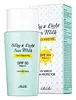
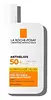
RiRe Silky Sun Milk Sunblock SPF50 Pa+++ Versus La Roche-Posay Anthelios Ultra Fluid Face Lotion SPF 50+
This chemical sunscreen covers the full UV range and blocks ~98% of UVB at SPF 50.
This chemical sunscreen covers the full UV range and blocks ~98% of UVB at SPF 50.


What's inside
What's inside
 Key Ingredients
Benefits
Concerns
Ingredients Side-by-side
Water
Skin ConditioningCyclopentasiloxane
Emollient
Methyl Methacrylate Crosspolymer

Ethylhexyl Methoxycinnamate
UV Absorber


Ethylhexyl Salicylate
UV Absorber
Lauryl PEG-10 Tris(Trimethylsiloxy)Silylethyl Dimethicone
Emulsifying
Butyl Methoxydibenzoylmethane
UV Absorber
Niacinamide
Smoothing










Bis-Ethylhexyloxyphenol Methoxyphenyl Triazine
UV Absorber
Butyloctyl Salicylate
Skin Conditioning
Sodium Chloride
MaskingMethylene Bis-Benzotriazolyl Tetramethylbutylphenol
UV Filter
Decyl Glucoside
Cleansing
Xanthan Gum
EmulsifyingPropylene Glycol
Humectant


Cyclohexasiloxane
Emollient
Galactomyces Ferment Filtrate
Humectant
Butylene Glycol
Humectant
Ethyl Hexanediol
SolventCucumis Sativus Fruit Extract
Emollient
Aloe Barbadensis Leaf Extract
Emollient
Vaccinium Angustifolium Fruit Extract
Skin Protecting
Propolis Extract
Skin Conditioning
Zanthoxylum Piperitum Fruit Extract
Skin ConditioningPulsatilla Koreana Extract
Skin ConditioningUsnea Barbata Extract
Isononyl Isononanoate
EmollientPhenoxyethanol
Preservative
Disteardimonium Hectorite
Stabilising1,2-Hexanediol
Skin Conditioning
Caprylyl Glycol
Emollient
Parfum
Masking

Adenosine
Skin Conditioning
Allantoin
Skin Conditioning
Dipotassium Glycyrrhizate
Humectant
Disodium EDTA
ChelatingWater, Cyclopentasiloxane, Methyl Methacrylate Crosspolymer, Ethylhexyl Methoxycinnamate, Ethylhexyl Salicylate, Lauryl PEG-10 Tris(Trimethylsiloxy)Silylethyl Dimethicone, Butyl Methoxydibenzoylmethane, Niacinamide, Bis-Ethylhexyloxyphenol Methoxyphenyl Triazine, Butyloctyl Salicylate, Sodium Chloride, Methylene Bis-Benzotriazolyl Tetramethylbutylphenol, Decyl Glucoside, Xanthan Gum, Propylene Glycol, Cyclohexasiloxane, Galactomyces Ferment Filtrate, Butylene Glycol, Ethyl Hexanediol, Cucumis Sativus Fruit Extract, Aloe Barbadensis Leaf Extract, Vaccinium Angustifolium Fruit Extract, Propolis Extract, Zanthoxylum Piperitum Fruit Extract, Pulsatilla Koreana Extract, Usnea Barbata Extract, Isononyl Isononanoate, Phenoxyethanol, Disteardimonium Hectorite, 1,2-Hexanediol, Caprylyl Glycol, Parfum, Adenosine, Allantoin, Dipotassium Glycyrrhizate, Disodium EDTA
Drometrizole Trisiloxane 7%
UV Absorber
Bis-Ethylhexyloxyphenol Methoxyphenyl Triazine 5%
UV Absorber
Ethylhexyl Salicylate 5%
UV Absorber
Octocrylene 5%
UV Absorber
Butyl Methoxydibenzoylmethane 3%
UV Absorber
Homosalate 2%
Skin Conditioning
Phenylbenzimidazole Sulfonic Acid 0.5%
UV Absorber
Water
Skin ConditioningAlcohol Denat.
Antimicrobial

Silica
Abrasive
Isopropyl Myristate
Emollient

Glycerin
Humectant
Diisopropyl Sebacate
EmollientC12-22 Alkyl Acrylate/Hydroxyethylacrylate Copolymer
StabilisingPropanediol
Solvent
Perlite
Absorbent
Tocopherol
Antioxidant

Triethanolamine
BufferingCaprylyl Glycol
Emollient
Trisodium Ethylenediamine Disuccinate
ChelatingDisodium EDTA
ChelatingHydroxyethylcellulose
Emulsion StabilisingAcrylates/C10-30 Alkyl Acrylate Crosspolymer
Emulsion StabilisingDrometrizole Trisiloxane 7%, Bis-Ethylhexyloxyphenol Methoxyphenyl Triazine 5%, Ethylhexyl Salicylate 5%, Octocrylene 5%, Butyl Methoxydibenzoylmethane 3%, Homosalate 2%, Phenylbenzimidazole Sulfonic Acid 0.5%, Water, Alcohol Denat., Silica, Isopropyl Myristate, Glycerin, Diisopropyl Sebacate, C12-22 Alkyl Acrylate/Hydroxyethylacrylate Copolymer, Propanediol, Perlite, Tocopherol, Triethanolamine, Caprylyl Glycol, Trisodium Ethylenediamine Disuccinate, Disodium EDTA, Hydroxyethylcellulose, Acrylates/C10-30 Alkyl Acrylate Crosspolymer
Reviews
Ingredients Explained
These ingredients are found in both products.
Ingredients higher up in an ingredient list are typically present in a larger amount.
This ingredient is better known as bemotrizinol or Tinosorb S and is one of the best broad-spectrum UV filters in modern sunscreen.
It works by absorbing UV light across a whole range (280-400 nm) with peaks around 310 nm (UVB) and 340-345 nm (UVA). This means it covers UVB plus the deeper UVA wavelengths that drive photoaging and pigmentation.
Another pro?
It's exceptionally photostable, barely degrades in sunlight, and acts as a "bodyguard" for less stable filters.
That's why you'll see it paired with avobenzone or octinoxate; this team up ensures they keep working through sun exposure.
Safety reviews have been reassuring across the board. This ingredient shows low absorption through the skin, rarely irritates, and lab studies found it doesn't act like a hormone in the body (a concern that's been raised about some older sunscreen filters).
On maximum concentrations:
In 2026, the US F.D.A finally added it as an OTC sunscreen ingredient at concentrations up to 6% for adults / children 6 months and older
Learn more about Bis-Ethylhexyloxyphenol Methoxyphenyl TriazineAlso known as Avobenzone, this ingredient is an oil-soluble used to absorb the full spectrum of UVA rays (peak 357 nm).
It's one of the most effective UVA filters available but has a major caveat of photostability: avobenzone is susceptible to photodegradation.
This means it can lose efficacy when exposed to sunlight without the help of a stabilizing agent.
Studies show antioxidants (like vitamin E or vitamin C) and some UV filters (like octocrylene and Tinosorb S) can meaningfully improve its stability in a formulation.
The maximum allowable concentration according to regulation is 3% in the US + Canada, and 5% in the EU, Australia, China, Korea, and ASEAN countries.
It has a well-support safety profile: a comprehensive 2025 review found minimal toxicity with no evidence of carcinogenicity.
Overall, avobenzone is a safe and regulated ingredient used in sunscreen for over 40 years.
Learn more about Butyl MethoxydibenzoylmethaneCaprylyl Glycol is a humectant, skin conditioner, emollient, and preservative booster derived from either caprylic acid or synthetically created.
Typical use levels vary from 0.3-1% as a preservative booster and go up to 2% to condition skin.
Because it is not a free-fatty acid, this ingredient is fungal acne safe (there's nothing for Malassezia to feed on).
Learn more about Caprylyl GlycolDisodium EDTA is a chelating agent. It grabs onto and deactivates metal ions that sneak into your products from water, packaging, or air.
This ingredient mainly works behind the scenes and helps with:
On top of that, this ingredient can counteract the effects of hard water by binding to the minerals in it.
One thing worth knowing is that Disodium EDTA has been shown to be a mild penetration enhancer. It can help other ingredients absorb into skin more effectively which can be a double-edged sword (great for actives, but can also make the active too strong if you have sensitive skin).
Clinical patch testing showed no significant skin irritation at typical use concentrations and minimal dermal absorption.
You'll most likely see this ingredient near the end of an ingredient list. It's typically found in concentrations less than 1%.
Learn more about Disodium EDTAEthylhexyl Salicylate (also called Octisalate or Octyl Salicylate) is an oil-soluble organic UV filter that's been used in sunscreen since the 1950's.
It absorbs UVB light in the 280-320 nm range with a peak absorbance around 306 nm.
You'll often see it paired with other UV filters to boost overall SPF because octisalate is a fairly week filter on its own.
The reason you'll see it so often is because it can help solubilize and stabilize the trickier filters like oxybenzone and avobenzone.
Unlike these filters, octisalate has pretty good photostability and doesn't create skin-damaging free radicals when exposed to sunlight.
The fatty-alcohol part of the molecule also gives it a light, emollient feel so it doubles as a nice texture enhancer.
Usage levels vary around the world:
Safety-wise, this ingredient has a pretty reassuring track record. The EU's Scientific Committee on Consumer Products (SCCP) found very low skin penetration in human skin tests and negative results for irritation, phototoxicity, and photoallergy.
The real-world allergy risk is pretty low too; a 2012 European study of 1,031 people recorded only 2 reactions to it (a rate of 0.19%).
You might have seen scary headlines about sunscreen getting into your blood.
In 2019, the FDA found that several chemical filters can absorb through the skin and show up in the bloodstream at small but measurable levels.
Here's the important part: these tiny levels are just a cutoff the FDA uses to decide which ingredients need more testing and doesn't mean anything harmful was found.
The researchers were clear that the results are no reason to stop wearing sunscreen.
Learn more about Ethylhexyl SalicylateWater. It's the most common cosmetic ingredient of all. You'll usually see it at the top of ingredient lists, meaning that it makes up the largest part of the product.
So why is it so popular? Water most often acts as a solvent - this means that it helps dissolve other ingredients into the formulation.
You'll also recognize water as that liquid we all need to stay alive. If you see this, drink a glass of water. Remember to stay hydrated!
Learn more about Water

