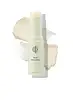
This anti-aging moisturizer is formulated around Helianthus Annuus Seed Oil and Adenosine to soften the look of wrinkles and hydrate skin.
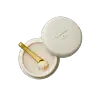
This hydrating serum is formulated around Squalane and Ceramide NP to hydrate skin and strengthen the skin barrier.

What's inside
What's inside
 Key Ingredients
Benefits
Concerns
Ingredients Side-by-side
Helianthus Annuus Seed Oil
Emollient



Polyglyceryl-2 Triisostearate
Emulsifying
Synthetic Wax
Abrasive

Hydrogenated Vegetable Oil
Emollient

Octyldodecanol
Emollient
Hydrogenated Castor Oil Dimer Dilinoleate
Skin Conditioning
Butylene Glycol Dicaprylate/Dicaprate
EmollientCamellia Japonica Seed Oil
Emollient
Euphorbia Cerifera Wax
Dipropylene Glycol
HumectantCanola Oil
Emollient
1,2-Hexanediol
Skin Conditioning
Caprylic/Capric Glycerides
EmollientPyrus Communis Fruit Extract
Skin ConditioningRosa Damascena Flower Water
Masking

Iris Florentina Root Extract
MaskingCucumis Melo Seed Extract
Skin ConditioningSorbitan Tristearate
EmulsifyingHedera Helix Leaf/Stem Extract
AntimicrobialGlycyrrhiza Glabra Root Extract
Bleaching



Pentylene Glycol
Skin Conditioning
Adenosine
Skin Conditioning
Tocopheryl Acetate
Antioxidant

Niacinamide
Smoothing




Water
Skin ConditioningCaprylic/Capric Triglyceride
Masking
Hippophae Rhamnoides Water
Masking
Sodium Hyaluronate
Humectant
Centella Asiatica Oil
Antimicrobial
Hyaluronic Acid
Humectant
Hydrolyzed Hyaluronic Acid
Humectant
Hydrolyzed Sodium Hyaluronate
Skin Conditioning
Hydroxypropyltrimonium Hyaluronate
Potassium Hyaluronate
Skin ConditioningSodium Hyaluronate Crosspolymer
Humectant
Sodium Acetylated Hyaluronate
Humectant
Helianthus Annuus Seed Oil, Polyglyceryl-2 Triisostearate, Synthetic Wax, Hydrogenated Vegetable Oil, Octyldodecanol, Hydrogenated Castor Oil Dimer Dilinoleate, Butylene Glycol Dicaprylate/Dicaprate, Camellia Japonica Seed Oil, Euphorbia Cerifera Wax, Dipropylene Glycol, Canola Oil, 1,2-Hexanediol, Caprylic/Capric Glycerides, Pyrus Communis Fruit Extract, Rosa Damascena Flower Water, Iris Florentina Root Extract, Cucumis Melo Seed Extract, Sorbitan Tristearate, Hedera Helix Leaf/Stem Extract, Glycyrrhiza Glabra Root Extract, Pentylene Glycol, Adenosine, Tocopheryl Acetate, Niacinamide, Water, Caprylic/Capric Triglyceride, Hippophae Rhamnoides Water, Sodium Hyaluronate, Centella Asiatica Oil, Hyaluronic Acid, Hydrolyzed Hyaluronic Acid, Hydrolyzed Sodium Hyaluronate, Hydroxypropyltrimonium Hyaluronate, Potassium Hyaluronate, Sodium Hyaluronate Crosspolymer, Sodium Acetylated Hyaluronate
Polyglyceryl-2 Triisostearate
Emulsifying
Caprylic/Capric Triglyceride
Masking
Squalane
Emollient
Mica
Cosmetic ColorantButyrospermum Parkii Oil
Emollient
Helianthus Annuus Seed Wax
Skin Conditioning
Phytosteryl/Octyldodecyl Lauroyl Glutamate
Skin ConditioningDimer Dilinoleyl Dimer Dilinoleate
EmollientSilica
Abrasive
Opuntia Ficus-Indica Seed Oil
Emollient
Disteardimonium Hectorite
StabilisingEuphorbia Cerifera Cera
Astringent
Ceramide NP
Skin Conditioning
Palmitoyl Tripeptide-1
Skin Conditioning
Opuntia Ficus-Indica Leaf Cell Extract
Skin ProtectingHibiscus Syriacus Callus Extract
Antioxidant
Rutin
Antioxidant
Sodium Hyaluronate
Humectant
Tocopherol
Antioxidant
Rosa Canina Fruit Oil
Emollient
Hydrolyzed Collagen
Emollient
Tribehenin
Emollient
Helianthus Annuus Seed Oil
Emollient
Butylene Glycol
Humectant
Ethylhexyl Palmitate
Emollient
Sorbitan Isostearate
Emulsifying
Polyglyceryl-2 Triisostearate, Caprylic/Capric Triglyceride, Squalane, Mica, Butyrospermum Parkii Oil, Helianthus Annuus Seed Wax, Phytosteryl/Octyldodecyl Lauroyl Glutamate, Dimer Dilinoleyl Dimer Dilinoleate, Silica, Opuntia Ficus-Indica Seed Oil, Disteardimonium Hectorite, Euphorbia Cerifera Cera, Ceramide NP, Palmitoyl Tripeptide-1, Opuntia Ficus-Indica Leaf Cell Extract, Hibiscus Syriacus Callus Extract, Rutin, Sodium Hyaluronate, Tocopherol, Rosa Canina Fruit Oil, Hydrolyzed Collagen, Tribehenin, Helianthus Annuus Seed Oil, Butylene Glycol, Ethylhexyl Palmitate, Sorbitan Isostearate
Reviews
Alternatives
Ingredients Explained
These ingredients are found in both products.
Ingredients higher up in an ingredient list are typically present in a larger amount.
Caprylic/Capric Triglyceride (aka MCT Oil) is a lightweight emollient, solvent, and texture enhancer. It is considered a skin-softener by helping to prevent moisture loss.
Though it behaves like an oil, it is not technically one due to its chemical composition. One perk of this ingredient is that it is very stable, resistant to oxidation, and unlikely to go rancid.
In practice, that translates to a long shelf life and a consistently elegant skin feel.
While there is an assumption Caprylic Triglyceride can clog pores due to it being derived from coconut oil, there is no research supporting this. Just patch test if you have concerns.
Fractionated coconut oil and MCT Oil are both listed as Caprylic/Capric Triglyceride according to INCI. This is because INCI names are based on the ingredient’s final chemical composition and not its marketing name or source.
This ingredient is treated as the gold standard fungal acne safe oil. Even though it is coconut derived, the problematic lauric acid is stripped out.
This leaves just caprylic (C8) and capric (C10) acid. These chain lengths actually trend antifungal; a 2020 study found caprylic acid was enough to disrupt Malassezia furfur cell membrane, with a caprylic acid derivative damaging membrane structures at concentrations as low as 0.2%.
Learn more about Caprylic/Capric TriglycerideHelianthus Annuus Seed Oil is a plant oil derived from the seeds of a sunflower.
It is rich in fatty acids, primarily linoleic acid and oleic acid. This gives it emollient and skin conditioning properties.
The reason this ingredient is so effective is because it forms a thin film on the skin that reduces transepidermal water loss (TEWL) while supplying linoleic acid to the stratum corneum to improve barrier strength.
The high linoleic acid content is particularly noteworthy for acne-prone skin.
Research suggests that acne-prone skin tends to be deficient in linoleic acid in sebum. Topical application may help replenish this to support a healthier follicular environment and less comedone-promoting sebum.
One randomized study found sunflower seed oil preserved skin barrier integrity in adult volunteers with and without atopic dermatitis (outperforming olive oil).
This ingredient is well-studied, gentle, and an effective emollient suitable for most skin types.
On fungal acne: This ingredient may not be Fungal acne (Malassezia folliculitis) safe. This is because it contains fatty acids with carbon chain lengths in the C11-C24 range.
Learn more about Helianthus Annuus Seed OilPolyglyceryl-2 Triisostearate is a plant-derived emulsifier and pigment-dispersing agent with a non-sticky skin feel.
It helps products glide on smoothly and prevents oil and water from separating in a formula, making it suitable for sunscreen and makeup formulations.
The EU inventory of cosmetics has no use restrictions on this ingredient and it is considered well-tolerated.
This ingredient may not be fungal acne safe because it is derived from isostearic acid.
Learn more about Polyglyceryl-2 TriisostearateSodium Hyaluronate is the salt form of hyaluronic acid. It is a long sugar chain that is naturally found in your skin, joints, and connective tissue that maintains hydration and elasticity.
In skincare, it works as a humectant. It pulls water from the environment and deeper layers of skin and binds it to the surface.
Interestingly, the size of the molecule affects its behavior:
Some clinical evidence links low molecular weight versions to improved wrinkle depth, elasticity, anti-inflammatory effects, and barrier repair.
Many serums use a blend of both weights so you can get surface hydration plus longer-lasting and deeper effects.
You'll typically see concentrations between 0.1-2% for this ingredient.
Learn more about Sodium Hyaluronate


