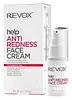
This calming moisturizer is formulated around Urea and Aloe Barbadensis Leaf Juice to calm redness and strengthen the skin barrier.
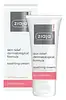
This calming treatment is formulated around Panthenol and Troxerutin to calm redness and hydrate skin.


What's inside
What's inside
 Key Ingredients
Benefits
Concerns
Ingredients Side-by-side
Coco-Caprylate/Caprate
Emollient
Ceteareth-20
CleansingGlycol Cetearate
Emollient

Urea
Buffering



Aloe Barbadensis Leaf Juice
Skin Conditioning

Chamomilla Recutita Extract
Skin Conditioning
Chamomilla Recutita Flower Extract
Masking
Glycine Soja Oil
Emollient




Caprylic/Capric Triglyceride
Masking
Squalane
Emollient
Panthenol
Skin Conditioning
Propylene Glycol
Humectant
Niacinamide
Smoothing




Allantoin
Skin Conditioning
Acrylates/C10-30 Alkyl Acrylate Crosspolymer
Emulsion StabilisingTriethanolamine
BufferingPhenoxyethanol
Preservative
Disodium EDTA
Citric Acid
Buffering
Sodium Benzoate
Masking
Potassium Sorbate
Preservative
Octadecyl Di-T-Butyl-4-Hydroxyhydrocinnamate
Antioxidant
Coco-Caprylate/Caprate, Ceteareth-20, Glycol Cetearate, Urea, Aloe Barbadensis Leaf Juice, Chamomilla Recutita Extract, Chamomilla Recutita Flower Extract, Glycine Soja Oil, Caprylic/Capric Triglyceride, Squalane, Panthenol, Propylene Glycol, Niacinamide, Allantoin, Acrylates/C10-30 Alkyl Acrylate Crosspolymer, Triethanolamine, Phenoxyethanol, Disodium EDTA, Citric Acid, Sodium Benzoate, Potassium Sorbate, Octadecyl Di-T-Butyl-4-Hydroxyhydrocinnamate
Water
Skin ConditioningCetearyl Ethylhexanoate
Emollient
Octyldodecanol
Emollient
Propylene Glycol
Humectant
Aluminum Starch Octenylsuccinate
Absorbent
Cetearyl Glucoside
Emulsifying
Cetearyl Alcohol
Emollient
Dimethicone
Emollient
Glycerin
Humectant
Butyl Methoxydibenzoylmethane
UV Absorber
Ethylhexyl Triazone
UV Absorber
Hydrogenated Coco-Glycerides
Emollient
Panthenol
Skin Conditioning
Elaeis Guineensis Oil
Emollient
Glyceryl Stearate Citrate
Emollient
Methylene Bis-Benzotriazolyl Tetramethylbutylphenol
UV Filter
Sodium Acrylate/Sodium Acryloyldimethyl Taurate Copolymer
Emulsion StabilisingIsohexadecane
EmollientPolysorbate 80
Emulsifying
Troxerutin
Skin Conditioning
Saccharomyces/Zinc Ferment
Skin Conditioning
Butylene Glycol
Humectant
Allantoin
Skin Conditioning
Escin
TonicSodium Polyacrylate
Absorbent
PEG-8
HumectantTocopherol
Antioxidant
Ascorbyl Palmitate
Antioxidant
Ascorbic Acid
Antioxidant
Citric Acid
Buffering
Methylparaben
Preservative

Hydroxyacetophenone
Antioxidant
Water, Cetearyl Ethylhexanoate, Octyldodecanol, Propylene Glycol, Aluminum Starch Octenylsuccinate, Cetearyl Glucoside, Cetearyl Alcohol, Dimethicone, Glycerin, Butyl Methoxydibenzoylmethane, Ethylhexyl Triazone, Hydrogenated Coco-Glycerides, Panthenol, Elaeis Guineensis Oil, Glyceryl Stearate Citrate, Methylene Bis-Benzotriazolyl Tetramethylbutylphenol, Sodium Acrylate/Sodium Acryloyldimethyl Taurate Copolymer, Isohexadecane, Polysorbate 80, Troxerutin, Saccharomyces/Zinc Ferment, Butylene Glycol, Allantoin, Escin, Sodium Polyacrylate, PEG-8, Tocopherol, Ascorbyl Palmitate, Ascorbic Acid, Citric Acid, Methylparaben, Hydroxyacetophenone
Reviews
Ingredients Explained
These ingredients are found in both products.
Ingredients higher up in an ingredient list are typically present in a larger amount.
Allantoin is a soothing ingredient known for its protective and moisturizing properties; it's basically a quiet workhorse ingredient you can find in a huge range of cosmetics.
Though it can be derived from the comfrey plant, allantoin is produced synthetically for cosmetic products to ensure purity.
Research shows it can encourage your skin cells to turn over and renew by stimulating keratinocyte and fibroblast proliferation.
It also has mild keratolytic properties to help loosen and shed dead skin cells without being harsh.
Studies also suggest allantoin can help calm inflammation by dialing down some of the chemical signals your skin sends out when it is irritated.
This ingredient is typically used in the 0.1-0.5% range, and the FDA recognizes it as a skin protectant in OTC products up to 2%.
Overall, allantoin is a wonderful addition to most routines; it is stable across a wide pH range (~4-8), works well with other ingredients, and is considered non-sensitizing/non-irritating.
Fun fact: Allantoin is naturally occurring in comfrey root, beets, chamomile, and wheat sprouts. Our bodies even produce it as a byproduct of uric acid metabolism.
Learn more about AllantoinCitric Acid is an alpha hydroxy acid (AHA) naturally found in citrus fruits like oranges, lemons, and limes.
Like other AHAs, citric acid can exfoliate skin by breaking down the bonds that hold dead skin cells together. This helps reveal smoother and brighter skin underneath.
However, this exfoliating effect only happens at high concentrations (20%) which can be hard to find in cosmetic products.
Due to this, citric acid is usually included in small amounts as a pH adjuster. This helps keep products slightly more acidic and compatible with skin's natural pH.
In skincare formulas, citric acid can:
While it can provide some skin benefits, research shows lactic acid and glycolic acid are generally more effective and less irritating exfoliants.
Most citric acid used in skincare today is made by fermenting sugars (usually from molasses). This synthetic version is identical to the natural citrus form but easier to stabilize and use in formulations.
Rosacea skin has a lower threshold for acids generally, with 62.5% of rosacea subjects in one study reacting to lactic acid in a sting test. This is why we mark citric acid as a potential rosacea trigger.
However, this ingredient shows up as a pH adjuster or chelator at roughly 0.1-1% in many products. These low levels are unlikely to be an issue for rosacea skin and becomes a potential trigger at exfoliating concentrations (20%). Because everybody's skin is unique, we recommend a patch test if you are unsure.
Learn more about Citric AcidPanthenol is a common ingredient that helps hydrate and soothe the skin. It is found naturally in our skin and hair.
There are two forms of panthenol: D and L.
D-panthenol is also known as dexpanthenol. Most cosmetics use dexpanthenol or a mixture of D and L-panthenol.
Panthenol is famous due to its ability to go deeper into the skin's layers. Using this ingredient has numerous pros (and no cons):
Like hyaluronic acid, panthenol is a humectant. Humectants are able to bind and hold large amounts of water to keep skin hydrated.
This ingredient works well for wound healing. It works by increasing tissue in the wound and helps close open wounds.
Once oxidized, panthenol converts to pantothenic acid. Panthothenic acid is found in all living cells.
This ingredient is also referred to as pro-vitamin B5.
Learn more about PanthenolPropylene Glycol is a synthetic, colorless, odorless liquid that has been a staple in cosmetics for decades. It is a skin conditioning agent, humectant, and solvent.
As a humectant, it draw water to the skin to reduce flaking and restore suppleness. It's also a solvent that helps dissolve other actives and keeps formulas stable across temperature changes.
The CIR Expert Panel has confirmed this ingredient to be nontoxic and clinical studies show no sensitization at cosmetic use concentrations.
True allergic reactions are quite rare: a 15-year retrospective study of 6,751 patients found only 0.31% had a positive reaction (and less than half were considered clinically relevant).
It seemed that when sensitization does occur, it's most commonly linked to topical medication (like corticosteroids) and not cosmetics. Allergic contact dermatitis also appears largely limited to individuals with underlying skin conditions.
Overall, propylene glycol is a well-studied ingredient that most people can tolerate without issue.
Learn more about Propylene Glycol


