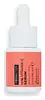
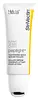
Revolution Beauty Brightening 10% Vitamin C Serum Versus StriVectin Peptight™ Tightening Neck Serum Roller
This brightening serum is formulated around Ascorbic Acid to brighten dull-looking skin and fade the look of dark spots.
This anti-aging serum is formulated around Acetyl Dipeptide-1 Cetyl Ester to soften the look of wrinkles.


What's inside
What's inside
 Key Ingredients
Benefits
Concerns
Ingredients Side-by-side
Water
Skin ConditioningAscorbic Acid
Antioxidant






Propanediol
Solvent

Glycerin
Humectant
Butylene Glycol
Humectant
Xanthan Gum
EmulsifyingPEG-40 Hydrogenated Castor Oil
Emulsifying


Polysorbate 20
Emulsifying
Sodium Benzoate
Masking
Tocopherol
Antioxidant

Potassium Sorbate
Preservative
Disodium EDTA
ChelatingHelianthus Annuus Seed Oil
Emollient
Styrene/Acrylates Copolymer
Sodium Hydroxide
BufferingSodium Lauryl Sulfate
Cleansing



Disodium Laureth Sulfosuccinate
CleansingWater, Ascorbic Acid, Propanediol, Glycerin, Butylene Glycol, Xanthan Gum, PEG-40 Hydrogenated Castor Oil, Polysorbate 20, Sodium Benzoate, Tocopherol, Potassium Sorbate, Disodium EDTA, Helianthus Annuus Seed Oil, Styrene/Acrylates Copolymer, Sodium Hydroxide, Sodium Lauryl Sulfate, Disodium Laureth Sulfosuccinate
Water
Skin ConditioningGlycerin
Humectant
C12-15 Alkyl Benzoate
AntimicrobialPentaerythrityl Tetraethylhexanoate
Emollient
Dimethicone
Emollient
Butylene Glycol
Humectant
Propanediol
Solvent
PEG-40 Stearate
Emulsifying
Myristyl Nicotinate
Skin ConditioningSaccharide Isomerate
Humectant
Hydrogenated Ethylhexyl Olivate
EmollientBis-Stearyl Dimethicone
Emollient
Sorbitan Stearate
Emulsifying
Acetyl Dipeptide-1 Cetyl Ester
Skin Conditioning

Pseudoalteromonas Ferment Extract
Humectant
Gleditsia Triacanthos Seed Extract
Helianthus Annuus Extract
Emollient
Thymus Vulgaris Leaf Extract
Skin ProtectingOryza Sativa Bran Extract
Skin Conditioning
Mucor Miehei Extract
AstringentRosmarinus Officinalis Leaf Extract
AntimicrobialBacillus/Sea Salt Ferment Filtrate
Skin ConditioningTetrahydrodiferuloylmethane
Antioxidant
Glucosamine Hcl
Hydrogenated Olive Oil Unsaponifiables
Emollient
Urea
Buffering
Lecithin
Emollient
Hydroxyethylcellulose
Emulsion StabilisingPolysorbate 80
Emulsifying
Stearyl Alcohol
Emollient
Polysilicone-11

Cetyl Alcohol
Emollient
Arachidyl Alcohol
Emollient
Sorbitan Oleate
Emulsifying
Glyceryl Caprylate
EmollientBenzyl Alcohol
Perfuming



Isohexadecane
EmollientSorbitan Laurate
Emulsifying
Tocopherol
Antioxidant
Disodium EDTA
Chelating1,2-Hexanediol
Skin Conditioning
Caprylyl Glycol
Emollient
Poloxamer 338
EmulsifyingEthylene/Acrylic Acid Copolymer
Emulsion StabilisingAcrylamide/Sodium Acryloyldimethyltaurate Copolymer
Emulsion StabilisingAmmonium Acryloyldimethyltaurate/Vp Copolymer
Caprylhydroxamic Acid
ChelatingParfum
Masking
Xanthan Gum
EmulsifyingSilica
Abrasive

Aminomethyl Propanol
BufferingCitric Acid
Buffering
Sodium Citrate
BufferingSodium Benzoate
Masking
Potassium Sorbate
Preservative
Limonene
Perfuming
Water, Glycerin, C12-15 Alkyl Benzoate, Pentaerythrityl Tetraethylhexanoate, Dimethicone, Butylene Glycol, Propanediol, PEG-40 Stearate, Myristyl Nicotinate, Saccharide Isomerate, Hydrogenated Ethylhexyl Olivate, Bis-Stearyl Dimethicone, Sorbitan Stearate, Acetyl Dipeptide-1 Cetyl Ester, Pseudoalteromonas Ferment Extract, Gleditsia Triacanthos Seed Extract, Helianthus Annuus Extract, Thymus Vulgaris Leaf Extract, Oryza Sativa Bran Extract, Mucor Miehei Extract, Rosmarinus Officinalis Leaf Extract, Bacillus/Sea Salt Ferment Filtrate, Tetrahydrodiferuloylmethane, Glucosamine Hcl, Hydrogenated Olive Oil Unsaponifiables, Urea, Lecithin, Hydroxyethylcellulose, Polysorbate 80, Stearyl Alcohol, Polysilicone-11, Cetyl Alcohol, Arachidyl Alcohol, Sorbitan Oleate, Glyceryl Caprylate, Benzyl Alcohol, Isohexadecane, Sorbitan Laurate, Tocopherol, Disodium EDTA, 1,2-Hexanediol, Caprylyl Glycol, Poloxamer 338, Ethylene/Acrylic Acid Copolymer, Acrylamide/Sodium Acryloyldimethyltaurate Copolymer, Ammonium Acryloyldimethyltaurate/Vp Copolymer, Caprylhydroxamic Acid, Parfum, Xanthan Gum, Silica, Aminomethyl Propanol, Citric Acid, Sodium Citrate, Sodium Benzoate, Potassium Sorbate, Limonene
Ingredients Explained
These ingredients are found in both products.
Ingredients higher up in an ingredient list are typically present in a larger amount.
Butylene Glycol (or BG) is used within cosmetic products for a few different reasons:
Overall, Butylene Glycol is a safe and well-rounded ingredient that works well with other ingredients.
Though this ingredient works well with most skin types, some people with sensitive skin may experience a reaction such as allergic rashes, closed comedones, or itchiness.
Learn more about Butylene GlycolDisodium EDTA is a chelating agent. It grabs onto and deactivates metal ions that sneak into your products from water, packaging, or air.
This ingredient mainly works behind the scenes and helps with:
On top of that, this ingredient can counteract the effects of hard water by binding to the minerals in it.
One thing worth knowing is that Disodium EDTA has been shown to be a mild penetration enhancer. It can help other ingredients absorb into skin more effectively which can be a double-edged sword (great for actives, but can also make the active too strong if you have sensitive skin).
Clinical patch testing showed no significant skin irritation at typical use concentrations and minimal dermal absorption.
You'll most likely see this ingredient near the end of an ingredient list. It's typically found in concentrations less than 1%.
Learn more about Disodium EDTAGlycerin (or glycerol) is a compound naturally found in your skin. It's a powerhouse humectant that pulls water into the stratum corneum.
Topically, glycerin does several things at once:
Your skin makes glycerin on its own (mostly from sebaceous oil breakdown) and shuttles it to your outermost layer of skin, or your epidermis, via aquaporin-3.
Aquaporin-3 is a transporter that is essential for normal skin hydration, elasticity, and repair. Interestingly, mice lacking in AQP3 have dry and less elastic skin that can be fully corrected with glycerin.
This ingredient is non-irritating, plays well with almost every ingredient, and works across all skin types. Typical use is anywhere between 3-10% but can go up to 79% in some leave-on products.
Just know very high concentrations (>40%) can feel tacky in low humidity.
Glycerin is the name for this ingredient in American English. British English uses Glycerol/Glycerine.
Learn more about GlycerinPotassium Sorbate is a preservative used to prevent yeast and mold in products. It is commonly found in both cosmetic and food products.
This ingredient comes from potassium salt derived from sorbic acid. Sorbic acid is a natural antibiotic and effective against fungus.
Both potassium sorbate and sorbic acid can be found in baked goods, cheeses, dried meats, dried fruit, ice cream, pickles, wine, yogurt, and more.
You'll often find this ingredient used with other preservatives.
Learn more about Potassium SorbatePropanediol is an all-star ingredient. It softens, hydrates, and smooths the skin.
It’s often used to:
Propanediol is not likely to cause sensitivity and considered safe to use. It is derived from corn or petroleum with a clear color and no scent.
Learn more about PropanediolSodium Benzoate is a preservative. It's used in both cosmetic and food products to inhibit the growth of mold and bacteria. It is typically produced synthetically.
Both the US FDA and EU Health Committee have approved the use of sodium benzoate. In the US, levels of 0.1% (of the total product) are allowed.
Sodium benzoate works as a preservative by inhibiting the growth of bacteria inside of cells. It prevents the cell from fermenting a type of sugar using an enzyme called phosphofructokinase.
It is the salt of benzoic acid. Foods containing sodium benzoate include soda, salad dressings, condiments, fruit juices, wines, and snack foods.
Studies for using ascorbic acid and sodium benzoate in cosmetics are lacking, especially in skincare routines with multiple steps.
We always recommend speaking with a professional, such as a dermatologist, if you have any concerns.
Learn more about Sodium BenzoateTocopherol is a fat-soluble antioxidant known as Vitamin E.
You'll find this ingredient in the vast majority of skincare (for good reason). It works to neutralize free radicals, or unstable molecules generated by UV exposure, pollution, and other environmental stressors, before they can cause oxidative damage to your skin cells.
Topically applied tocopherol has been shown to protect against UV damage by ramping up the skin's own natural defense enzymes.
It also acts as a skin conditioning agent; some studies show that regular topical use can improve the skin's water-binding capacity over 2-4 weeks.
This ingredient is especially loved for being a team player. When combined with Vitamin C, the photoprotective effect of both ingredients roughly doubles and the combo also helps reduce UV-induced DNA damage.
This ingredient has some brightening potential but it's more of a prevention ingredient than spot-fader. Cell studies show it can slow down melanin production but it's worth noting that it's not the most powerful brightener out there.
In formulations, it also serves as a stabilizer that helps protect other oxidation-prone ingredients from degrading.
Concentrations usually range from 0.1-1% in most leave-on products.
Learn more about TocopherolWater. It's the most common cosmetic ingredient of all. You'll usually see it at the top of ingredient lists, meaning that it makes up the largest part of the product.
So why is it so popular? Water most often acts as a solvent - this means that it helps dissolve other ingredients into the formulation.
You'll also recognize water as that liquid we all need to stay alive. If you see this, drink a glass of water. Remember to stay hydrated!
Learn more about WaterXanthan gum is used as a stabilizer and thickener within cosmetic products. It helps give products a sticky, thick feeling - preventing them from being too runny.
On the technical side of things, xanthan gum is a polysaccharide - a combination consisting of multiple sugar molecules bonded together.
Xanthan gum is a pretty common and great ingredient. It is a natural, non-toxic, non-irritating ingredient that is also commonly used in food products.
Learn more about Xanthan Gum

