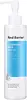
This mild cream makeup remover is made to dissolve makeup, sunscreen, and daily buildup.
This mild cream makeup remover is made to dissolve makeup, sunscreen, and daily buildup.


What's inside
What's inside
 Key Ingredients
Benefits
Concerns
Ingredients Side-by-side
Water
Skin ConditioningHelianthus Annuus Seed Oil
Emollient



Glycerin
Humectant

Simmondsia Chinensis Seed Oil
Emollient
C14-22 Alcohols
Emulsion Stabilising
Cetearyl Alcohol
Emollient



1,2-Hexanediol
Skin Conditioning
Ethylhexyl Palmitate
Emollient
Coco-Glucoside
Cleansing
Glyceryl Stearate
Emollient
C12-20 Alkyl Glucoside
EmulsifyingMyristoyl/Palmitoyl Oxostearamide/Arachamide Mea
Skin ConditioningCeramide NP
Skin Conditioning



Caprylyl Glycol
Emollient
Xanthan Gum
EmulsifyingCitrus Aurantium Bergamia Fruit Oil
Masking


Panthenol
Skin Conditioning
Brassica Oleracea Italica Sprout Extract
EmollientCitrus Limon Peel Oil
Masking

Sodium Phytate
ChelatingCarbomer
Emulsion StabilisingTriticum Vulgare Sprout Extract
Skin ConditioningSpirulina Platensis Extract
Skin ProtectingCitric Acid
Buffering

Allantoin
Skin Conditioning
Centella Asiatica Extract
Cleansing
Cedrus Atlantica Bark Oil
Masking
Lavandula Angustifolia Oil
Masking
Pelargonium Graveolens Flower Oil
Masking
Cananga Odorata Flower Oil
Masking
Vetiveria Zizanoides Root Oil
Masking
Madecassoside
Antioxidant
Water, Helianthus Annuus Seed Oil, Glycerin, Simmondsia Chinensis Seed Oil, C14-22 Alcohols, Cetearyl Alcohol, 1,2-Hexanediol, Ethylhexyl Palmitate, Coco-Glucoside, Glyceryl Stearate, C12-20 Alkyl Glucoside, Myristoyl/Palmitoyl Oxostearamide/Arachamide Mea, Ceramide NP, Caprylyl Glycol, Xanthan Gum, Citrus Aurantium Bergamia Fruit Oil, Panthenol, Brassica Oleracea Italica Sprout Extract, Citrus Limon Peel Oil, Sodium Phytate, Carbomer, Triticum Vulgare Sprout Extract, Spirulina Platensis Extract, Citric Acid, Allantoin, Centella Asiatica Extract, Cedrus Atlantica Bark Oil, Lavandula Angustifolia Oil, Pelargonium Graveolens Flower Oil, Cananga Odorata Flower Oil, Vetiveria Zizanoides Root Oil, Madecassoside
Water
Skin ConditioningHelianthus Annuus Seed Oil
Emollient
Hydrogenated Polyisobutene
EmollientIsopropyl Palmitate
Emollient
Tilia Cordata Flower Water
Masking
Citrus Aurantium Amara Flower Water
MaskingButylene Glycol
Humectant
Glycerin
Humectant
Cetearyl Alcohol
Emollient
Tocopheryl Acetate
Antioxidant
Malva Sylvestris Flower Extract
Skin ConditioningTilia Cordata Extract
RefreshingLilium Candidum Flower Extract
Skin ConditioningLauryl Glucoside
CleansingPolyglyceryl-2 Dipolyhydroxystearate
Skin Conditioning
C14-22 Alcohols
Emulsion Stabilising
Carbomer
Emulsion StabilisingCeteareth-20
Cleansing
Cetyl Alcohol
Emollient
C12-20 Alkyl Glucoside
EmulsifyingDisodium EDTA
ChelatingSodium Hydroxide
BufferingXanthan Gum
EmulsifyingCitric Acid
Buffering
Phenoxyethanol
Preservative
Dehydroacetic Acid
Preservative
Potassium Sorbate
Preservative
Sodium Benzoate
Masking
Water, Helianthus Annuus Seed Oil, Hydrogenated Polyisobutene, Isopropyl Palmitate, Tilia Cordata Flower Water, Citrus Aurantium Amara Flower Water, Butylene Glycol, Glycerin, Cetearyl Alcohol, Tocopheryl Acetate, Malva Sylvestris Flower Extract, Tilia Cordata Extract, Lilium Candidum Flower Extract, Lauryl Glucoside, Polyglyceryl-2 Dipolyhydroxystearate, C14-22 Alcohols, Carbomer, Ceteareth-20, Cetyl Alcohol, C12-20 Alkyl Glucoside, Disodium EDTA, Sodium Hydroxide, Xanthan Gum, Citric Acid, Phenoxyethanol, Dehydroacetic Acid, Potassium Sorbate, Sodium Benzoate
Ingredients Explained
These ingredients are found in both products.
Ingredients higher up in an ingredient list are typically present in a larger amount.
We don't have a description for C12-20 Alkyl Glucoside yet.
This ingredient is a blend of long-chain fatty alcohols (myristyl, cetyl, stearyl, arachidyl, and behenyl). It is an emulsion stabilizer with emollient properties.
Don't let the word "alcohol" scare you: fatty alcohols are nothing like the drying solvents. This ingredient actually helps soften and smooth the skin.
By the way, the FDA allows products to be labeled "alcohol-free" even when they contain fatty alcohols like this one.
In a formula, it prevents the water and oil phases from separating over time while also contributing to a pleasant, non-greasy slip.
Interestingly, this ingredient can organize into the structures that mimic the skin's own lipid architecture to help support barrier function and reduce transepidermal water loss (TEWL).
The CIR Expert Panel has thoroughly assess the individual fatty alcohols that make up this blend and found no significant toxicity or dermal irritation.
Learn more about C14-22 AlcoholsCarbomer is a synthetic thickening and gelling agent. It's basically the ingredient that gives a lot of serums, gels, creams, and sunscreens their smooth, non-sticky texture.
Although legally permitted at very high levels, carbomers are normally used at concentrations below 1%.
It also needs to be neutralized to actually thicken, and because it is a large molecule, it doesn't really penetrate the skin barrier.
Allergy-wise, the risk is very low. Clinical studies show carbomers have low potential for skin irritation/sensitization even at concentrations up to 100%.
A 2024 UK study patch-tested 1,302 patients and found true allergy to the parent group of carbomer to be rare with no confirmed relevant reactions.
Learn more about CarbomerCetearyl alcohol is a waxy mixture of two fatty alcohols: cetyl alcohol and stearyl alcohol. It is an emollient and emulsifier.
Despite having "alcohol" in its name, it has nothing to do with drying solvent alcohols; the FDA also allows "alcohol-free" products to contain fatty alcohols like this ingredient.
It plays several roles in a formula:
Typical use levels for this ingredient sit around 1-10% and the Cosmetic Ingredient Review Expert Panel has affirmed safety at concentrations up to 25% in leave-on products.
Multiple assessments have found it to be non-irritating and non-sensitizing to most people.
However, there have been some cases of allergic contact dermatitis in patients with chronically compromised skin barriers.
Cetearyl alcohol has a comedogenic rating of 2 and irritancy rating of 1. Both of these numbers come from the 1989 study that used rabbit ears; a "2" means mildly comedogenic and a "1" means low irritancy.
Here's the catch: rabbit skin is more sensitive than human skin and throws a lot of false positives. A 1996 reappraisal found that ingredients rated 1-2 in the rabbit ear tests are generally safe for humans.
Remember comedogenic ratings are unable to assess the entire formula of a product or how it will react on your skin. Just be sure to patch test if you are unsure about certain ingredients.
This ingredient is not fungal acne safe. Cetearyl alcohol is a fatty alcohol with chain lengths that fall within the range that Malassezia can metabolize.
A 2019 study has also observed Malassezia growth in the presence of this ingredient, confirming it to be not-fungal acne safe.
Learn more about Cetearyl AlcoholCitric Acid is an alpha hydroxy acid (AHA) naturally found in citrus fruits like oranges, lemons, and limes.
Like other AHAs, citric acid can exfoliate skin by breaking down the bonds that hold dead skin cells together. This helps reveal smoother and brighter skin underneath.
However, this exfoliating effect only happens at high concentrations (20%) which can be hard to find in cosmetic products.
Due to this, citric acid is usually included in small amounts as a pH adjuster. This helps keep products slightly more acidic and compatible with skin's natural pH.
In skincare formulas, citric acid can:
While it can provide some skin benefits, research shows lactic acid and glycolic acid are generally more effective and less irritating exfoliants.
Most citric acid used in skincare today is made by fermenting sugars (usually from molasses). This synthetic version is identical to the natural citrus form but easier to stabilize and use in formulations.
Rosacea skin has a lower threshold for acids generally, with 62.5% of rosacea subjects in one study reacting to lactic acid in a sting test. This is why we mark citric acid as a potential rosacea trigger.
However, this ingredient shows up as a pH adjuster or chelator at roughly 0.1-1% in many products. These low levels are unlikely to be an issue for rosacea skin and becomes a potential trigger at exfoliating concentrations (20%). Because everybody's skin is unique, we recommend a patch test if you are unsure.
Learn more about Citric AcidGlycerin (or glycerol) is a compound naturally found in your skin. It's a powerhouse humectant that pulls water into the stratum corneum.
Topically, glycerin does several things at once:
Your skin makes glycerin on its own (mostly from sebaceous oil breakdown) and shuttles it to your outermost layer of skin, or your epidermis, via aquaporin-3.
Aquaporin-3 is a transporter that is essential for normal skin hydration, elasticity, and repair. Interestingly, mice lacking in AQP3 have dry and less elastic skin that can be fully corrected with glycerin.
This ingredient is non-irritating, plays well with almost every ingredient, and works across all skin types. Typical use is anywhere between 3-10% but can go up to 79% in some leave-on products.
Just know very high concentrations (>40%) can feel tacky in low humidity.
Glycerin is the name for this ingredient in American English. British English uses Glycerol/Glycerine.
Learn more about GlycerinHelianthus Annuus Seed Oil is a plant oil derived from the seeds of a sunflower.
It is rich in fatty acids, primarily linoleic acid and oleic acid. This gives it emollient and skin conditioning properties.
The reason this ingredient is so effective is because it forms a thin film on the skin that reduces transepidermal water loss (TEWL) while supplying linoleic acid to the stratum corneum to improve barrier strength.
The high linoleic acid content is particularly noteworthy for acne-prone skin.
Research suggests that acne-prone skin tends to be deficient in linoleic acid in sebum. Topical application may help replenish this to support a healthier follicular environment and less comedone-promoting sebum.
One randomized study found sunflower seed oil preserved skin barrier integrity in adult volunteers with and without atopic dermatitis (outperforming olive oil).
This ingredient is well-studied, gentle, and an effective emollient suitable for most skin types.
On fungal acne: This ingredient may not be Fungal acne (Malassezia folliculitis) safe. This is because it contains fatty acids with carbon chain lengths in the C11-C24 range.
Learn more about Helianthus Annuus Seed OilWater. It's the most common cosmetic ingredient of all. You'll usually see it at the top of ingredient lists, meaning that it makes up the largest part of the product.
So why is it so popular? Water most often acts as a solvent - this means that it helps dissolve other ingredients into the formulation.
You'll also recognize water as that liquid we all need to stay alive. If you see this, drink a glass of water. Remember to stay hydrated!
Learn more about WaterXanthan gum is used as a stabilizer and thickener within cosmetic products. It helps give products a sticky, thick feeling - preventing them from being too runny.
On the technical side of things, xanthan gum is a polysaccharide - a combination consisting of multiple sugar molecules bonded together.
Xanthan gum is a pretty common and great ingredient. It is a natural, non-toxic, non-irritating ingredient that is also commonly used in food products.
Learn more about Xanthan Gum

