
What's inside
What's inside
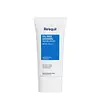 Key Ingredients
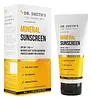
Benefits
Concerns
Ingredients Side-by-side
Water
Skin ConditioningButylene Glycol
Humectant

Dibutyl Adipate
EmollientCaprylyl Methicone
Skin Conditioning
Polyglyceryl-3 Methylglucose Distearate
Emulsifying
Glycerin
Humectant
Coco-Caprylate/Caprate
Emollient
Polysilicone-15
UV Filter
Diethylamino Hydroxybenzoyl Hexyl Benzoate
UV Filter
Propanediol
Solvent
C12-15 Alkyl Benzoate
AntimicrobialEthylhexyl Triazone
UV Absorber
Propylene Glycol Dicaprylate/Dicaprate
EmollientMethylene Bis-Benzotriazolyl Tetramethylbutylphenol
UV Filter
Stearyl Alcohol
Emollient
Behenyl Alcohol
Emollient
Decyl Glucoside
Cleansing
Arachidyl Alcohol
Emollient
Bis-Ethylhexyloxyphenol Methoxyphenyl Triazine
Skin Conditioning
Carbomer
Emulsion StabilisingSodium Stearoyl Glutamate
CleansingTrimethylpentanediol/Adipic Acid/Glycerin Crosspolymer
Skin ConditioningLecithin
Emollient
Sodium Hyaluronate
Humectant


Sodium Polyacryloyldimethyl Taurate
Emulsion StabilisingPhenoxyethanol
Preservative
Caprylhydroxamic Acid
Glyceryl Caprylate
EmollientCaesalpinia Spinosa Gum
Skin ConditioningGlyceryl Polyacrylate
Pentylene Glycol
Skin Conditioning
Propylene Glycol
Humectant

Xanthan Gum
EmulsifyingLauryl Alcohol
Emollient
Disodium EDTA
Carnosine
Skin Conditioning
Trisodium Ethylenediamine Disuccinate
Sodium Hydroxide
BufferingParfum
Masking

Water, Butylene Glycol, Dibutyl Adipate, Caprylyl Methicone, Polyglyceryl-3 Methylglucose Distearate, Glycerin, Coco-Caprylate/Caprate, Polysilicone-15, Diethylamino Hydroxybenzoyl Hexyl Benzoate, Propanediol, C12-15 Alkyl Benzoate, Ethylhexyl Triazone, Propylene Glycol Dicaprylate/Dicaprate, Methylene Bis-Benzotriazolyl Tetramethylbutylphenol, Stearyl Alcohol, Behenyl Alcohol, Decyl Glucoside, Arachidyl Alcohol, Bis-Ethylhexyloxyphenol Methoxyphenyl Triazine, Carbomer, Sodium Stearoyl Glutamate, Trimethylpentanediol/Adipic Acid/Glycerin Crosspolymer, Lecithin, Sodium Hyaluronate, Sodium Polyacryloyldimethyl Taurate, Phenoxyethanol, Caprylhydroxamic Acid, Glyceryl Caprylate, Caesalpinia Spinosa Gum, Glyceryl Polyacrylate, Pentylene Glycol, Propylene Glycol, Xanthan Gum, Lauryl Alcohol, Disodium EDTA, Carnosine, Trisodium Ethylenediamine Disuccinate, Sodium Hydroxide, Parfum
Water
Skin ConditioningZinc Oxide
Cosmetic Colorant

C12-15 Alkyl Benzoate
AntimicrobialIsostearic Acid
Cleansing
Polyhydroxystearic Acid
Emulsifying
Cyclopentasiloxane
Emollient
PEG/PPG-18/18 Dimethicone
Emulsifying
Caprylyl Methicone
Skin Conditioning
PEG-12 Dimethicone/PPG-20 Crosspolymer
Silica
Abrasive

Glycerin
Humectant
Dimethicone/Vinyl Dimethicone Crosspolymer
Skin Conditioning
Cetyl PEG/PPG-10/1 Dimethicone
Emulsifying
Sodium Chloride
MaskingPolymethylsilsesquioxane
Caprylyl Glycol
Emollient
Methylpropanediol
SolventDidecyldimonium Chloride
EmulsifyingPolyquaternium-80
CleansingXanthan Gum
EmulsifyingMagnesium Aluminum Silicate
Absorbent
Water, Zinc Oxide, C12-15 Alkyl Benzoate, Isostearic Acid, Polyhydroxystearic Acid, Cyclopentasiloxane, PEG/PPG-18/18 Dimethicone, Caprylyl Methicone, PEG-12 Dimethicone/PPG-20 Crosspolymer, Silica, Glycerin, Dimethicone/Vinyl Dimethicone Crosspolymer, Cetyl PEG/PPG-10/1 Dimethicone, Sodium Chloride, Polymethylsilsesquioxane, Caprylyl Glycol, Methylpropanediol, Didecyldimonium Chloride, Polyquaternium-80, Xanthan Gum, Magnesium Aluminum Silicate
Ingredients Explained
These ingredients are found in both products.
Ingredients higher up in an ingredient list are typically present in a larger amount.
C12-15 Alkyl Benzoate is made up of Benzoic Acid and long chain alcohols. It has a low molecular weight.
C12-15 Alkyl Benzoate is an emollient and texture enhancer. Due to its solubility, it is often used in sunscreens to help evenly distribute active ingredients.
As an emollient, C12-15 Alkyl Benzoate helps soften and hydrate your skin. Emollients create a film on your skin that traps moisture within.
This ingredient has been reported to cause eye irritation.
Learn more about C12-15 Alkyl BenzoateCaprylyl Methicone is a synthetic and lightweight silicone fluid. It gives products a silky, dry-touch finish without the heaviness of pure oils.
Though the EU CosIng Database lists this ingredient as a skin conditioner, it is also used for sensory reasons. It spreads easily, cuts greasiness, and reduces tackiness.
This ingredient is volatile which means it will mostly evaporate (but it evaporates slower than older cyclomethicones, like Cyclotetrasiloxane).
Typical concentration ranges from 1-30% depending on if it's being used to tweak the feel of a product or acting as the main emollient.
Learn more about Caprylyl MethiconeGlycerin (or glycerol) is a compound naturally found in your skin. It's a powerhouse humectant that pulls water into the stratum corneum.
Topically, glycerin does several things at once:
Your skin makes glycerin on its own (mostly from sebaceous oil breakdown) and shuttles it to your outermost layer of skin, or your epidermis, via aquaporin-3.
Aquaporin-3 is a transporter that is essential for normal skin hydration, elasticity, and repair. Interestingly, mice lacking in AQP3 have dry and less elastic skin that can be fully corrected with glycerin.
This ingredient is non-irritating, plays well with almost every ingredient, and works across all skin types. Typical use is anywhere between 3-10% but can go up to 79% in some leave-on products.
Just know very high concentrations (>40%) can feel tacky in low humidity.
Glycerin is the name for this ingredient in American English. British English uses Glycerol/Glycerine.
Learn more about GlycerinWater. It's the most common cosmetic ingredient of all. You'll usually see it at the top of ingredient lists, meaning that it makes up the largest part of the product.
So why is it so popular? Water most often acts as a solvent - this means that it helps dissolve other ingredients into the formulation.
You'll also recognize water as that liquid we all need to stay alive. If you see this, drink a glass of water. Remember to stay hydrated!
Learn more about WaterXanthan gum is used as a stabilizer and thickener within cosmetic products. It helps give products a sticky, thick feeling - preventing them from being too runny.
On the technical side of things, xanthan gum is a polysaccharide - a combination consisting of multiple sugar molecules bonded together.
Xanthan gum is a pretty common and great ingredient. It is a natural, non-toxic, non-irritating ingredient that is also commonly used in food products.
Learn more about Xanthan Gum
