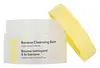
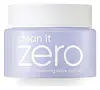
This oil-based makeup remover is made to dissolve makeup, sunscreen, and daily buildup.
This oil-based makeup remover is made to dissolve makeup, sunscreen, and daily buildup.


What's inside
What's inside
 Key Ingredients
Benefits
Concerns
Ingredients Side-by-side
Cetyl Ethylhexanoate
EmollientCaprylic/Capric Triglyceride
Masking


PEG-20 Glyceryl Triisostearate
Emollient

PEG-10 Isostearate
Emulsifying
Synthetic Wax
Abrasive

Water
Skin ConditioningPhenoxyethanol
Preservative
Butylene Glycol
Humectant
Parfum
Masking



Tocopheryl Acetate
Antioxidant


Oenothera Biennis Oil
Emollient



Argania Spinosa Kernel Oil
Emollient

Ethylhexylglycerin
Skin ConditioningAnthemis Nobilis Flower Water
Masking
Glycerin
Humectant
Centella Asiatica Extract
Cleansing

Epilobium Angustifolium Flower/Leaf/Stem Extract
Skin ConditioningScutellaria Baicalensis Root Extract
Astringent
Polygonum Cuspidatum Root Extract
Antioxidant
Glycyrrhiza Glabra Root Extract
Bleaching
Camellia Sinensis Leaf Extract
Antimicrobial
1,2-Hexanediol
Skin Conditioning
Citric Acid
Buffering
Rosmarinus Officinalis Leaf Extract
AntimicrobialChamomilla Recutita Flower Extract
Masking
Calendula Officinalis Flower Extract
Masking
Portulaca Oleracea Extract
Skin Conditioning
Althaea Rosea Flower Extract
Skin ConditioningAloe Barbadensis Leaf Extract
Emollient
Sodium Benzoate
Masking
Bambusa Vulgaris Leaf/Stem Extract
HumectantAspalathus Linearis Extract
Skin ConditioningAngelica Archangelica Root Extract
Masking
Malpighia Glabra Fruit Extract
Skin ConditioningPotassium Sorbate
Preservative
Sodium Metabisulfite
Antioxidant
Zea Mays Oil
Emulsifying
Beta-Carotene
Skin ConditioningPolydiethyleneglycol Adipate/Ipdi Copolymer
Acrylates/Ammonium Methacrylate Copolymer
Acrylates/Methoxy PEG-15 Methacrylate Copolymer
Tocopherol
Antioxidant
Cetyl Ethylhexanoate, Caprylic/Capric Triglyceride, PEG-20 Glyceryl Triisostearate, PEG-10 Isostearate, Synthetic Wax, Water, Phenoxyethanol, Butylene Glycol, Parfum, Tocopheryl Acetate, Oenothera Biennis Oil, Argania Spinosa Kernel Oil, Ethylhexylglycerin, Anthemis Nobilis Flower Water, Glycerin, Centella Asiatica Extract, Epilobium Angustifolium Flower/Leaf/Stem Extract, Scutellaria Baicalensis Root Extract, Polygonum Cuspidatum Root Extract, Glycyrrhiza Glabra Root Extract, Camellia Sinensis Leaf Extract, 1,2-Hexanediol, Citric Acid, Rosmarinus Officinalis Leaf Extract, Chamomilla Recutita Flower Extract, Calendula Officinalis Flower Extract, Portulaca Oleracea Extract, Althaea Rosea Flower Extract, Aloe Barbadensis Leaf Extract, Sodium Benzoate, Bambusa Vulgaris Leaf/Stem Extract, Aspalathus Linearis Extract, Angelica Archangelica Root Extract, Malpighia Glabra Fruit Extract, Potassium Sorbate, Sodium Metabisulfite, Zea Mays Oil, Beta-Carotene, Polydiethyleneglycol Adipate/Ipdi Copolymer, Acrylates/Ammonium Methacrylate Copolymer, Acrylates/Methoxy PEG-15 Methacrylate Copolymer, Tocopherol
Reviews
Ingredients Explained
These ingredients are found in both products.
Ingredients higher up in an ingredient list are typically present in a larger amount.
1,2-Hexanediol is a synthetic liquid and another multi-functional powerhouse.
It is a:
- Humectant, drawing moisture into the skin
- Emollient, helping to soften skin
- Solvent, dispersing and stabilizing formulas
- Preservative booster, enhancing the antimicrobial activity of other preservatives
Cetyl Ethylhexanoate is an emollient ester. It comes from cetearyl alcohol and 2-ethylhexanoic acid.
Cetyl Ethylhexanoate is an emollient that adds a velvety feel to skin without being greasy or oily. Emollients help trap moisture into your skin, keeping your skin soft and hydrated.
Ethylhexylglycerin is created from glycerin. It is a multitasker ingredient that:
The CIR Expert Panel found minimal skin absorption or sensitization of any kind in a safety assessment. Though this ingredient is considered well-tolerated, a small number of cases of allergic dermatitis have been published since 2002. Just be sure to patch test if you are unsure.
Industry-reported use ranges from 8% in rinse-off products and 2% in leave-on formulations.
Learn more about EthylhexylglycerinGlycerin (or glycerol) is a compound naturally found in your skin. It's a powerhouse humectant that pulls water into the stratum corneum.
Topically, glycerin does several things at once:
Your skin makes glycerin on its own (mostly from sebaceous oil breakdown) and shuttles it to your outermost layer of skin, or your epidermis, via aquaporin-3.
Aquaporin-3 is a transporter that is essential for normal skin hydration, elasticity, and repair. Interestingly, mice lacking in AQP3 have dry and less elastic skin that can be fully corrected with glycerin.
This ingredient is non-irritating, plays well with almost every ingredient, and works across all skin types. Typical use is anywhere between 3-10% but can go up to 79% in some leave-on products.
Just know very high concentrations (>40%) can feel tacky in low humidity.
Glycerin is the name for this ingredient in American English. British English uses Glycerol/Glycerine.
Learn more about GlycerinParfum is a catch-all term for an ingredient or more that is used to give a scent to products.
Also called "fragrance", this ingredient can be a blend of hundreds of chemicals or plant oils. This means every product with "fragrance" or "parfum" in the ingredients list is a different mixture.
For instance, Habanolide is a proprietary trade name for a specific aroma chemical. When used as a fragrance ingredient in cosmetics, most aroma chemicals fall under the broad labeling category of “FRAGRANCE” or “PARFUM” according to EU and US regulations.
The term 'parfum' or 'fragrance' is not regulated in many countries. In many cases, it is up to the brand to define this term.
For instance, many brands choose to label themselves as "fragrance-free" because they are not using synthetic fragrances. However, their products may still contain ingredients such as essential oils that are considered a fragrance by INCI standards.
One example is Calendula flower extract. Calendula is an essential oil that still imparts a scent or 'fragrance'.
Depending on the blend, the ingredients in the mixture can cause allergies and sensitivities on the skin. Some ingredients that are known EU allergens include linalool and citronellol.
Parfum can also be used to mask or cover an unpleasant scent.
The bottom line is: not all fragrances/parfum/ingredients are created equally. If you are worried about fragrances, we recommend taking a closer look at an ingredient. And of course, we always recommend speaking with a professional.
Learn more about ParfumPEG-10 Isostearate isn't fungal acne safe.
PEG-20 Glyceryl Triisostearate is a synthetic, oil-loving helper ingredient that does two jobs:
This ingredient is made by joining three building blocks: PEG, Isostearic Acid and glycerin. The PEG gives it the oil-and-water blending power.
This ingredient has been found safe for use in cosmetics and broader PEG family testing shows minimal irritation/sensitization. The molecule's large size also means it isn't expected to penetrate skin to any meaningful degree.
Fungal acne note: This ingredient may not be fungal acne safe due to isostearic acid (C18). Isostearic acid falls into the C11-24 range that Malassezia can feed on.
Learn more about PEG-20 Glyceryl TriisostearatePhenoxyethanol is one of the most widely used preservatives in skincare (and for good reason!).
It has a large spectrum of antimicrobial activity and especially effective bacteria, yeast, and mold while only having a weak effect on your skin's natural microbiome.
On a cellular level, it disrupts the cell membranes of microbes by poking holes that make the cell leak. This shuts down the chemical reactions the microbe needs to make energy so it can no longer survive.
Another perk of this ingredient is that it stays functional across a wide pH range (3-10).
You'll often see it paired with boosters like Ethylhexylglycerin; one study showed that a 1:9 ratio of Ethylhexylglycerin to Phenoxyethanol damages bacterial membranes as effectively as doubling the Phenoxyethanol concentration on its own.
Typical use concentrations range from 0.3-1% depending on the formula, and this ingredient is capped at 1% int the EU.
Safety-wise, the fear mongering does not hold up to the evidence. The EU's Scientific Committee on Consumer Safety and FDA consider it safe as a preservative at up to 1%, including for children of all ages.
Adverse systemic effects only showed up in animal studies at exposures roughly 200x higher than what people get from cosmetics. And despite its very widespread use, this ingredient is a rare sensitizer and allergic reactions are uncommon.
Learn more about PhenoxyethanolSynthetic Wax is a manufactured hydrocarbon wax. In formulas, it works as an occlusive emollient that helps reduce water loss and improves the spreadability of products.
Research comparing synthetic wax to traditional mineral-derived products found that formulas containing it perform as well for skin hydration.
It is considered non-comedogenic and vegan-friendly.
This ingredient has a well-established safety record by the CIR Expert Panel for Cosmetic Ingredient Safety.
Synthetic Waxes are straight/branched-chain hydrocarbons with no ester bond or fatty acids. That means there is nothing for the Malassezia yeast to feed on.
Learn more about Synthetic WaxTocopherol is a fat-soluble antioxidant known as Vitamin E.
You'll find this ingredient in the vast majority of skincare (for good reason). It works to neutralize free radicals, or unstable molecules generated by UV exposure, pollution, and other environmental stressors, before they can cause oxidative damage to your skin cells.
Topically applied tocopherol has been shown to protect against UV damage by ramping up the skin's own natural defense enzymes.
It also acts as a skin conditioning agent; some studies show that regular topical use can improve the skin's water-binding capacity over 2-4 weeks.
This ingredient is especially loved for being a team player. When combined with Vitamin C, the photoprotective effect of both ingredients roughly doubles and the combo also helps reduce UV-induced DNA damage.
This ingredient has some brightening potential but it's more of a prevention ingredient than spot-fader. Cell studies show it can slow down melanin production but it's worth noting that it's not the most powerful brightener out there.
In formulations, it also serves as a stabilizer that helps protect other oxidation-prone ingredients from degrading.
Concentrations usually range from 0.1-1% in most leave-on products.
Learn more about Tocopherol

