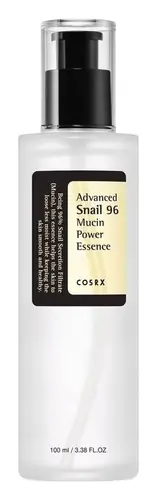
This barrier-repair moisturizer is formulated around Niacinamide and Panthenol to strengthen the skin barrier and hydrate skin.
This moisturizer is formulated around Sh-Oligopeptide-1 and Sh-Polypeptide-22 to soften signs of aging and support scar healing.

What's inside
What's inside
 Key Ingredients
Benefits
Concerns
Ingredients Side-by-side
Sea Water
HumectantDipropylene Glycol
HumectantGlycerin
Humectant


Water
Skin ConditioningCaprylic/Capric Triglyceride
Masking
Niacinamide
Smoothing









Phenyl Trimethicone
Skin Conditioning
Cetyl Ethylhexanoate
EmollientCetearyl Alcohol
Emollient





1,2-Hexanediol
Skin Conditioning
Sodium Acrylate/Sodium Acryloyldimethyl Taurate Copolymer
Emulsion StabilisingButylene Glycol
Humectant
Sodium Hyaluronate
Humectant
Panthenol
Skin Conditioning
Ecklonia Cava Extract
Skin Conditioning
Laminaria Japonica Extract
Skin Protecting
Caulerpa Lentillifera Extract
Salicornia Herbacea Extract
Skin ConditioningAllantoin
Skin Conditioning
Macadamia Ternifolia Seed Oil
Emollient
Adenosine
Skin Conditioning
Sorbitan Stearate
Emulsifying
Sorbitan Oleate
Emulsifying
Isohexadecane
EmollientPolysorbate 80
Emulsifying
Glyceryl Stearate Se
Emulsifying
Carbomer
Emulsion StabilisingArginine
Masking
Caprylyl Glycol
Emollient
Ethylhexylglycerin
Skin ConditioningDisodium EDTA
ChelatingSea Water, Dipropylene Glycol, Glycerin, Water, Caprylic/Capric Triglyceride, Niacinamide, Phenyl Trimethicone, Cetyl Ethylhexanoate, Cetearyl Alcohol, 1,2-Hexanediol, Sodium Acrylate/Sodium Acryloyldimethyl Taurate Copolymer, Butylene Glycol, Sodium Hyaluronate, Panthenol, Ecklonia Cava Extract, Laminaria Japonica Extract, Caulerpa Lentillifera Extract, Salicornia Herbacea Extract, Allantoin, Macadamia Ternifolia Seed Oil, Adenosine, Sorbitan Stearate, Sorbitan Oleate, Isohexadecane, Polysorbate 80, Glyceryl Stearate Se, Carbomer, Arginine, Caprylyl Glycol, Ethylhexylglycerin, Disodium EDTA
Water
Skin ConditioningGlycerin
Humectant
Propanediol
Solvent
1,2-Hexanediol
Skin Conditioning
Betaine
Humectant
Pentylene Glycol
Skin Conditioning
Polymethylsilsesquioxane
Sodium Acrylate/Sodium Acryloyldimethyl Taurate Copolymer
Emulsion StabilisingCyclohexasiloxane
Emollient
Isohexadecane
EmollientHydroxyethyl Acrylate/Sodium Acryloyldimethyl Taurate Copolymer
Emulsion StabilisingCyclopentasiloxane
Emollient
Acrylates/C10-30 Alkyl Acrylate Crosspolymer
Emulsion StabilisingTromethamine
BufferingPolysorbate 80
Emulsifying
Ethylhexylglycerin
Skin ConditioningSorbitan Oleate
Emulsifying
Disodium EDTA
ChelatingGlyceryl Acrylate/Acrylic Acid Copolymer
HumectantCaprylyl Glycol
Emollient
Hydrogenated Lecithin
Emulsifying
Cetraria Islandica Extract
CleansingYeast Ferment Extract
Skin ConditioningXanthan Gum
EmulsifyingPhenoxyethanol
Preservative
Alanine
Masking
Proline
Skin Conditioning
Serine
Masking
Sodium Phosphate
BufferingSodium Hydroxide
BufferingSh-Oligopeptide-1
Skin Conditioning
Sh-Polypeptide-1
Skin Conditioning
Sh-Oligopeptide-2
Skin Conditioning
Sh-Polypeptide-22
Skin Conditioning
Sh-Polypeptide-45
Skin Conditioning
Sh-Polypeptide-8
Humectant
Sh-Polypeptide-9
Skin Conditioning
Water, Glycerin, Propanediol, 1,2-Hexanediol, Betaine, Pentylene Glycol, Polymethylsilsesquioxane, Sodium Acrylate/Sodium Acryloyldimethyl Taurate Copolymer, Cyclohexasiloxane, Isohexadecane, Hydroxyethyl Acrylate/Sodium Acryloyldimethyl Taurate Copolymer, Cyclopentasiloxane, Acrylates/C10-30 Alkyl Acrylate Crosspolymer, Tromethamine, Polysorbate 80, Ethylhexylglycerin, Sorbitan Oleate, Disodium EDTA, Glyceryl Acrylate/Acrylic Acid Copolymer, Caprylyl Glycol, Hydrogenated Lecithin, Cetraria Islandica Extract, Yeast Ferment Extract, Xanthan Gum, Phenoxyethanol, Alanine, Proline, Serine, Sodium Phosphate, Sodium Hydroxide, Sh-Oligopeptide-1, Sh-Polypeptide-1, Sh-Oligopeptide-2, Sh-Polypeptide-22, Sh-Polypeptide-45, Sh-Polypeptide-8, Sh-Polypeptide-9
Reviews
Ingredients Explained
These ingredients are found in both products.
Ingredients higher up in an ingredient list are typically present in a larger amount.
1,2-Hexanediol is a synthetic liquid and another multi-functional powerhouse.
It is a:
- Humectant, drawing moisture into the skin
- Emollient, helping to soften skin
- Solvent, dispersing and stabilizing formulas
- Preservative booster, enhancing the antimicrobial activity of other preservatives
Caprylyl Glycol is a humectant, skin conditioner, emollient, and preservative booster derived from either caprylic acid or synthetically created.
Typical use levels vary from 0.3-1% as a preservative booster and go up to 2% to condition skin.
Because it is not a free-fatty acid, this ingredient is fungal acne safe (there's nothing for Malassezia to feed on).
Learn more about Caprylyl GlycolDisodium EDTA is a chelating agent. It grabs onto and deactivates metal ions that sneak into your products from water, packaging, or air.
This ingredient mainly works behind the scenes and helps with:
On top of that, this ingredient can counteract the effects of hard water by binding to the minerals in it.
One thing worth knowing is that Disodium EDTA has been shown to be a mild penetration enhancer. It can help other ingredients absorb into skin more effectively which can be a double-edged sword (great for actives, but can also make the active too strong if you have sensitive skin).
Clinical patch testing showed no significant skin irritation at typical use concentrations and minimal dermal absorption.
You'll most likely see this ingredient near the end of an ingredient list. It's typically found in concentrations less than 1%.
Learn more about Disodium EDTAEthylhexylglycerin is created from glycerin. It is a multitasker ingredient that:
The CIR Expert Panel found minimal skin absorption or sensitization of any kind in a safety assessment. Though this ingredient is considered well-tolerated, a small number of cases of allergic dermatitis have been published since 2002. Just be sure to patch test if you are unsure.
Industry-reported use ranges from 8% in rinse-off products and 2% in leave-on formulations.
Learn more about EthylhexylglycerinGlycerin (or glycerol) is a compound naturally found in your skin. It's a powerhouse humectant that pulls water into the stratum corneum.
Topically, glycerin does several things at once:
Your skin makes glycerin on its own (mostly from sebaceous oil breakdown) and shuttles it to your outermost layer of skin, or your epidermis, via aquaporin-3.
Aquaporin-3 is a transporter that is essential for normal skin hydration, elasticity, and repair. Interestingly, mice lacking in AQP3 have dry and less elastic skin that can be fully corrected with glycerin.
This ingredient is non-irritating, plays well with almost every ingredient, and works across all skin types. Typical use is anywhere between 3-10% but can go up to 79% in some leave-on products.
Just know very high concentrations (>40%) can feel tacky in low humidity.
Glycerin is the name for this ingredient in American English. British English uses Glycerol/Glycerine.
Learn more about GlycerinIsohexadecane is added to enhance texture, emulsify, and to help cleanse. It is an isoparrafin. It is a component of petrolatum.
Due to its large size, Isohexadecane is not absorbed by the skin. Instead, it sits on top and acts as an emollient. Emollients help keep your skin soft and smooth by trapping moisture within.
Isohexadecane is often used in products designed to help oily skin. It is lightweight and non-greasy while helping to moisturize. When mixed with silicones, it gives a product a silky feel.
Learn more about IsohexadecanePolysorbate 80 is a synthetic surfactant and emulsifier derived from sorbitol and oleic acid.
It reduces the surface tension between oil and water phases to help them stay mixed and stable in a formulation. In other words, it prevents your formulas from separating into an oily mess.
The CIR Expert Panel has evaluated the scientific data and found this ingredient to be safe, non-irritating, and non-sensitizing at concentrations up to 5% (it's even approved by the FDA as an OTC eye drop ingredient).
Learn more about Polysorbate 80This long ingredient is a copolymer of sodium acrylate and sodium acryloyldimethyl taurate monomers.
It is used to help stabilize other ingredients and create a thicker gel-like texture.
Emulsifiers prevent oils and waters from separating.
Learn more about Sodium Acrylate/Sodium Acryloyldimethyl Taurate CopolymerSorbitan Oleate is a PEG-free emulsifier made by esterifying sorbitol with oleic acid.
You'll likely see it paired with Polysorbate 80 to create the right emulsification balance.
Typical use levels in formulas range from 2-10%.
The CIR Expert Panel has concluded this ingredient to be safe as a cosmetic ingredient.
Since this ingredient is an ester of oleic acid, it may not be fungal acne safe. Oleic acid is a fatty acid that falls into the C11-24 range that Malassezia can metabolize.
This ingredient does have a comedogenic rating of 3, but this doesn't mean a formula with this ingredient will clog pores. Human testing has proved that any finished product with a comedogenic ingredient won't automatically make you break out; it really comes down to concentration, formula, and your skin.
Learn more about Sorbitan OleateWater. It's the most common cosmetic ingredient of all. You'll usually see it at the top of ingredient lists, meaning that it makes up the largest part of the product.
So why is it so popular? Water most often acts as a solvent - this means that it helps dissolve other ingredients into the formulation.
You'll also recognize water as that liquid we all need to stay alive. If you see this, drink a glass of water. Remember to stay hydrated!
Learn more about Water