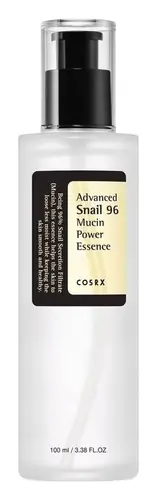
This barrier-repair moisturizer is formulated around Niacinamide and Panthenol to strengthen the skin barrier and hydrate skin.
This calming ampoule is formulated around Centella Asiatica Leaf Water and Centella Asiatica Extract to calm redness and strengthen the skin barrier.

What's inside
What's inside
 Key Ingredients
Benefits
Concerns
Ingredients Side-by-side
Sea Water
HumectantDipropylene Glycol
HumectantGlycerin
Humectant


Water
Skin ConditioningCaprylic/Capric Triglyceride
Masking
Niacinamide
Smoothing









Phenyl Trimethicone
Skin Conditioning
Cetyl Ethylhexanoate
EmollientCetearyl Alcohol
Emollient





1,2-Hexanediol
Skin Conditioning
Sodium Acrylate/Sodium Acryloyldimethyl Taurate Copolymer
Emulsion StabilisingButylene Glycol
Humectant
Sodium Hyaluronate
Humectant
Panthenol
Skin Conditioning
Ecklonia Cava Extract
Skin Conditioning
Laminaria Japonica Extract
Skin Protecting
Caulerpa Lentillifera Extract
Salicornia Herbacea Extract
Skin ConditioningAllantoin
Skin Conditioning
Macadamia Ternifolia Seed Oil
Emollient
Adenosine
Skin Conditioning
Sorbitan Stearate
Emulsifying
Sorbitan Oleate
Emulsifying
Isohexadecane
EmollientPolysorbate 80
Emulsifying
Glyceryl Stearate Se
Emulsifying
Carbomer
Emulsion StabilisingArginine
Masking
Caprylyl Glycol
Emollient
Ethylhexylglycerin
Skin ConditioningDisodium EDTA
Sea Water, Dipropylene Glycol, Glycerin, Water, Caprylic/Capric Triglyceride, Niacinamide, Phenyl Trimethicone, Cetyl Ethylhexanoate, Cetearyl Alcohol, 1,2-Hexanediol, Sodium Acrylate/Sodium Acryloyldimethyl Taurate Copolymer, Butylene Glycol, Sodium Hyaluronate, Panthenol, Ecklonia Cava Extract, Laminaria Japonica Extract, Caulerpa Lentillifera Extract, Salicornia Herbacea Extract, Allantoin, Macadamia Ternifolia Seed Oil, Adenosine, Sorbitan Stearate, Sorbitan Oleate, Isohexadecane, Polysorbate 80, Glyceryl Stearate Se, Carbomer, Arginine, Caprylyl Glycol, Ethylhexylglycerin, Disodium EDTA
Centella Asiatica Leaf Water
Skin Conditioning
Glycerin
Humectant
Methyl Gluceth-20
Humectant
Polyglycerin-3
Humectant
1,2-Hexanediol
Skin Conditioning
Pentylene Glycol
Skin Conditioning
Propanediol
Solvent
Centella Asiatica Extract
Cleansing
Ficus Carica Fruit Extract
Humectant
Laminaria Japonica Extract
Skin Protecting
Eclipta Prostrata Leaf Extract
Skin ConditioningHamamelis Virginiana Extract
Antiseborrhoeic

Melaleuca Alternifolia Leaf Extract
Perfuming
Houttuynia Cordata Extract
Skin Conditioning
Chrysanthemum Morifolium Flower Extract
Skin ConditioningNelumbo Nucifera Flower Extract
Skin ConditioningLavandula Angustifolia Flower Extract
Cleansing
Lilium Candidum Flower Extract
Skin ConditioningSyringa Vulgaris Extract
Skin ConditioningRosa Hybrid Flower Extract
Skin ConditioningCamellia Sinensis Leaf Water
Masking
Citrus Aurantium Bergamia Fruit Oil
Masking
Hydrogenated Lecithin
Emulsifying
C12-14 Pareth-12
EmulsifyingDipropylene Glycol
HumectantAllantoin
Skin Conditioning
Chamomilla Recutita Flower Water
MaskingXanthan Gum
EmulsifyingFructooligosaccharides
Humectant
Butylene Glycol
Humectant
Beta-Glucan
Skin Conditioning
Hydrolyzed Hyaluronic Acid
Humectant
Ceramide NP
Skin Conditioning
Carbomer
Emulsion StabilisingPalmitoyl Pentapeptide-4
Skin Conditioning
Ethylhexylglycerin
Skin ConditioningLimonene
Perfuming
Linalool
Perfuming
Centella Asiatica Leaf Water, Glycerin, Methyl Gluceth-20, Polyglycerin-3, 1,2-Hexanediol, Pentylene Glycol, Propanediol, Centella Asiatica Extract, Ficus Carica Fruit Extract, Laminaria Japonica Extract, Eclipta Prostrata Leaf Extract, Hamamelis Virginiana Extract, Melaleuca Alternifolia Leaf Extract, Houttuynia Cordata Extract, Chrysanthemum Morifolium Flower Extract, Nelumbo Nucifera Flower Extract, Lavandula Angustifolia Flower Extract, Lilium Candidum Flower Extract, Syringa Vulgaris Extract, Rosa Hybrid Flower Extract, Camellia Sinensis Leaf Water, Citrus Aurantium Bergamia Fruit Oil, Hydrogenated Lecithin, C12-14 Pareth-12, Dipropylene Glycol, Allantoin, Chamomilla Recutita Flower Water, Xanthan Gum, Fructooligosaccharides, Butylene Glycol, Beta-Glucan, Hydrolyzed Hyaluronic Acid, Ceramide NP, Carbomer, Palmitoyl Pentapeptide-4, Ethylhexylglycerin, Limonene, Linalool
Reviews
Ingredients Explained
These ingredients are found in both products.
Ingredients higher up in an ingredient list are typically present in a larger amount.
1,2-Hexanediol is a synthetic liquid and another multi-functional powerhouse.
It is a:
- Humectant, drawing moisture into the skin
- Emollient, helping to soften skin
- Solvent, dispersing and stabilizing formulas
- Preservative booster, enhancing the antimicrobial activity of other preservatives
Allantoin is a soothing ingredient known for its protective and moisturizing properties; it's basically a quiet workhorse ingredient you can find in a huge range of cosmetics.
Though it can be derived from the comfrey plant, allantoin is produced synthetically for cosmetic products to ensure purity.
Research shows it can encourage your skin cells to turn over and renew by stimulating keratinocyte and fibroblast proliferation.
It also has mild keratolytic properties to help loosen and shed dead skin cells without being harsh.
Studies also suggest allantoin can help calm inflammation by dialing down some of the chemical signals your skin sends out when it is irritated.
This ingredient is typically used in the 0.1-0.5% range, and the FDA recognizes it as a skin protectant in OTC products up to 2%.
Overall, allantoin is a wonderful addition to most routines; it is stable across a wide pH range (~4-8), works well with other ingredients, and is considered non-sensitizing/non-irritating.
Fun fact: Allantoin is naturally occurring in comfrey root, beets, chamomile, and wheat sprouts. Our bodies even produce it as a byproduct of uric acid metabolism.
Learn more about AllantoinButylene Glycol (or BG) is used within cosmetic products for a few different reasons:
Overall, Butylene Glycol is a safe and well-rounded ingredient that works well with other ingredients.
Though this ingredient works well with most skin types, some people with sensitive skin may experience a reaction such as allergic rashes, closed comedones, or itchiness.
Learn more about Butylene GlycolCarbomer is a synthetic thickening and gelling agent. It's basically the ingredient that gives a lot of serums, gels, creams, and sunscreens their smooth, non-sticky texture.
Although legally permitted at very high levels, carbomers are normally used at concentrations below 1%.
It also needs to be neutralized to actually thicken, and because it is a large molecule, it doesn't really penetrate the skin barrier.
Allergy-wise, the risk is very low. Clinical studies show carbomers have low potential for skin irritation/sensitization even at concentrations up to 100%.
A 2024 UK study patch-tested 1,302 patients and found true allergy to the parent group of carbomer to be rare with no confirmed relevant reactions.
Learn more about CarbomerDipropylene Glycol is a synthetically created humectant, stabilizer, and solvent.
This ingredient helps:
Dipropylene glycol is technically an alcohol, but it belongs to the glycol family (often considered part of the ‘good’ alcohols). This means it is hydrating and gentle on skin unlike drying solvent alcohols like denatured alcohol.
As a masking agent, Dipropylene Glycol can be used to cover the smell of other ingredients. However, it does not have a scent.
Studies show Dipropylene Glycol is considered safe to use in skincare.
Learn more about Dipropylene GlycolEthylhexylglycerin is created from glycerin. It is a multitasker ingredient that:
The CIR Expert Panel found minimal skin absorption or sensitization of any kind in a safety assessment. Though this ingredient is considered well-tolerated, a small number of cases of allergic dermatitis have been published since 2002. Just be sure to patch test if you are unsure.
Industry-reported use ranges from 8% in rinse-off products and 2% in leave-on formulations.
Learn more about EthylhexylglycerinGlycerin (or glycerol) is a compound naturally found in your skin. It's a powerhouse humectant that pulls water into the stratum corneum.
Topically, glycerin does several things at once:
Your skin makes glycerin on its own (mostly from sebaceous oil breakdown) and shuttles it to your outermost layer of skin, or your epidermis, via aquaporin-3.
Aquaporin-3 is a transporter that is essential for normal skin hydration, elasticity, and repair. Interestingly, mice lacking in AQP3 have dry and less elastic skin that can be fully corrected with glycerin.
This ingredient is non-irritating, plays well with almost every ingredient, and works across all skin types. Typical use is anywhere between 3-10% but can go up to 79% in some leave-on products.
Just know very high concentrations (>40%) can feel tacky in low humidity.
Glycerin is the name for this ingredient in American English. British English uses Glycerol/Glycerine.
Learn more about GlycerinLaminaria Japonica Extract is an extract of Japanese kelp, the same brown seaweed sold as kombu.
This ingredient is usually extracted from dried, ground kelp with water or a water/glycol mix. Most of what ends up in your bottle is mostly big sugar molecules, minerals, and amino acids rather than oils.
Those sugars help hold water and form a light film on the skin's surface, giving it humectant and mild-barrier supporting properties.
The best human data is a small Korean study where a cream with 10% extract upped skin hydration about 14% over placebo and cut water loss through the skin for up to eight hours.
Beyond this study, most of the anti-aging and anti-inflammatory claims come from mouse and cell studies; these studies found that topical kelp sugars preserved collagen in aging mice and the extract calmed UVB-triggered inflammation markers in cultured skin cells.
Though this sounds promising, it isn't the same as proof on human faces.
Industry data shows this ingredient is usually used anywhere from 0.0005% - 5%. Most leave-on products sit well under 1% and the 5% end mostly shows up in bath products.
Allergy-risk for this ingredient looks low as well. A cream with 10% extract patch-tested on 25 people caused no irritation and there have been no sensitization reports either.
There is one real allergy report on "laminaria" that involves medical cervical dilators made from whole dried kelp stems inserted internally; though this is a very different exposure from a few tenths of a percent in a serum.
Learn more about Laminaria Japonica Extract