PURITO Bakuchiol Timeless Bloom Revitalizing Serum Versus Andalou Naturals Age Defying Rejuvenating Plant-Based Retinol Alternative Serum
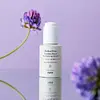
This anti-aging serum is formulated around Bakuchiol and Acetyl Hexapeptide-8 to soften the look of wrinkles and refine skin texture.
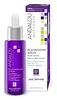
This anti-aging serum is formulated around Aloe Barbadensis Leaf Juice and Bakuchiol to soften the look of wrinkles and calm redness.


What's inside
What's inside
 Key Ingredients
Benefits
Concerns
Ingredients Side-by-side
Water
Skin ConditioningButylene Glycol
Humectant

Glycerin
Humectant
Pentaerythrityl Tetraethylhexanoate
Emollient
Betaine
Humectant
Bakuchiol
Antimicrobial







Acetyl Hexapeptide-8
Humectant
Lavandula Angustifolia Extract
Skin Conditioning

Rosmarinus Officinalis Extract
AntimicrobialOriganum Vulgare Flower/Leaf/Stem Extract
Skin ConditioningThymus Vulgaris Extract
Perfuming
Adenosine
Skin Conditioning
Allantoin
Skin Conditioning
Dipotassium Glycyrrhizate
Humectant
Cetearyl Olivate


Sorbitan Olivate
Emulsifying
Cetearyl Alcohol
Emollient




Caprylyl Glycol
Emollient
Cetyl Palmitate
Emollient
Sodium Acrylate/Sodium Acryloyldimethyl Taurate Copolymer
Emulsion StabilisingHydroxyacetophenone
Antioxidant
Pentylene Glycol
Skin Conditioning
Polyisobutene
Sorbitan Palmitate
Emulsifying
Disodium EDTA
ChelatingSorbitan Oleate
Emulsifying
Ethylhexylglycerin
Skin ConditioningCarbomer
Emulsion StabilisingXanthan Gum
EmulsifyingArginine
Masking
Caprylyl/Capryl Glucoside
Cleansing1,2-Hexanediol
Skin Conditioning
Water, Butylene Glycol, Glycerin, Pentaerythrityl Tetraethylhexanoate, Betaine, Bakuchiol, Acetyl Hexapeptide-8, Lavandula Angustifolia Extract, Rosmarinus Officinalis Extract, Origanum Vulgare Flower/Leaf/Stem Extract, Thymus Vulgaris Extract, Adenosine, Allantoin, Dipotassium Glycyrrhizate, Cetearyl Olivate, Sorbitan Olivate, Cetearyl Alcohol, Caprylyl Glycol, Cetyl Palmitate, Sodium Acrylate/Sodium Acryloyldimethyl Taurate Copolymer, Hydroxyacetophenone, Pentylene Glycol, Polyisobutene, Sorbitan Palmitate, Disodium EDTA, Sorbitan Oleate, Ethylhexylglycerin, Carbomer, Xanthan Gum, Arginine, Caprylyl/Capryl Glucoside, 1,2-Hexanediol
Water
Skin ConditioningGlycerin
Humectant
Malus Domestica Fruit Cell Culture Extract
Skin ConditioningAloe Barbadensis Leaf Juice
Skin Conditioning
Sorbitan Oleate Decylglucoside Crosspolymer
CleansingBakuchiol
Antimicrobial
Panthenol
Skin Conditioning
1,2-Hexanediol
Skin Conditioning
Caprylyl Glycol
Emollient
Vitis Vinifera Fruit Cell Extract
Skin ConditioningEuterpe Oleracea Fruit Extract
Aronia Melanocarpa Fruit Extract
Skin ConditioningLycium Barbarum Fruit Extract
Astringent
Sclerotium Gum
Emulsion StabilisingXanthan Gum
EmulsifyingLavandula Angustifolia Extract
Skin Conditioning
Algin
MaskingAllantoin
Skin Conditioning
Sodium Hyaluronate
Humectant
Potassium Sorbate
Preservative
Sodium Benzoate
Masking
Isomalt
HumectantLecithin
Emollient
Chamomilla Recutita Flower Extract
Masking
Alcohol Denat.
Antimicrobial

Helianthus Annuus Seed Oil
Emollient
Camellia Sinensis Leaf Extract
Antimicrobial
Tocopherol
Antioxidant
Arnica Montana Flower Extract
Masking
Parfum
Masking
Water, Glycerin, Malus Domestica Fruit Cell Culture Extract, Aloe Barbadensis Leaf Juice, Sorbitan Oleate Decylglucoside Crosspolymer, Bakuchiol, Panthenol, 1,2-Hexanediol, Caprylyl Glycol, Vitis Vinifera Fruit Cell Extract, Euterpe Oleracea Fruit Extract, Aronia Melanocarpa Fruit Extract, Lycium Barbarum Fruit Extract, Sclerotium Gum, Xanthan Gum, Lavandula Angustifolia Extract, Algin, Allantoin, Sodium Hyaluronate, Potassium Sorbate, Sodium Benzoate, Isomalt, Lecithin, Chamomilla Recutita Flower Extract, Alcohol Denat., Helianthus Annuus Seed Oil, Camellia Sinensis Leaf Extract, Tocopherol, Arnica Montana Flower Extract, Parfum
Ingredients Explained
These ingredients are found in both products.
Ingredients higher up in an ingredient list are typically present in a larger amount.
1,2-Hexanediol is a synthetic liquid and another multi-functional powerhouse.
It is a:
- Humectant, drawing moisture into the skin
- Emollient, helping to soften skin
- Solvent, dispersing and stabilizing formulas
- Preservative booster, enhancing the antimicrobial activity of other preservatives
Allantoin is a soothing ingredient known for its protective and moisturizing properties; it's basically a quiet workhorse ingredient you can find in a huge range of cosmetics.
Though it can be derived from the comfrey plant, allantoin is produced synthetically for cosmetic products to ensure purity.
Research shows it can encourage your skin cells to turn over and renew by stimulating keratinocyte and fibroblast proliferation.
It also has mild keratolytic properties to help loosen and shed dead skin cells without being harsh.
Studies also suggest allantoin can help calm inflammation by dialing down some of the chemical signals your skin sends out when it is irritated.
This ingredient is typically used in the 0.1-0.5% range, and the FDA recognizes it as a skin protectant in OTC products up to 2%.
Overall, allantoin is a wonderful addition to most routines; it is stable across a wide pH range (~4-8), works well with other ingredients, and is considered non-sensitizing/non-irritating.
Fun fact: Allantoin is naturally occurring in comfrey root, beets, chamomile, and wheat sprouts. Our bodies even produce it as a byproduct of uric acid metabolism.
Learn more about AllantoinBakuchiol is a plant-derived antioxidant from the seeds of the Psoralea corylifolia plant. It has antimicrobial, emollient, skin conditioning, and antioxidant properties.
You'll likely see it called a "retinol replacement" but the two are technically not related. This is because bakuchiol is able to flip many of the same switches in your skin cells to tell them to:
1) produce more collagen (type I, III, and IV)
2) activate the same genes retinoids do
Unlike retinoids, this ingredient will not increase photosensitivity and is safe to use during pregnancy (but please still check in with your doctor!).
The flagship clinical trial from Dhaliwal et al. 2019 found 0.5% bakuchiol (twice daily) and 0.5% retinol (once daily) reduced wrinkles and hyperpigmentation equally, but bakuchiol had significantly less irritation.
Systematic reviews also back this up:
Bakuchiol is comparable to retinol for photoaging but with better tolerability. It also has mild antibacterial properties against Cutibacterium acnes and antifungal activity in vitro against Candida and dermatophytes.
The reason bakuchiol works well is due to its structure; it is a meroterpene phenol, or a hybrid molecule. The phenol half acts as an antioxidant while the terpene half is fat-loving. This helps the molecule slip through the skin barrier.
This ingredient is usually used between 0.5-2%. Only one case of contact dermatitis has ever been reported for this ingredient.
Learn more about BakuchiolCaprylyl Glycol is a humectant, skin conditioner, emollient, and preservative booster derived from either caprylic acid or synthetically created.
Typical use levels vary from 0.3-1% as a preservative booster and go up to 2% to condition skin.
Because it is not a free-fatty acid, this ingredient is fungal acne safe (there's nothing for Malassezia to feed on).
Learn more about Caprylyl GlycolGlycerin (or glycerol) is a compound naturally found in your skin. It's a powerhouse humectant that pulls water into the stratum corneum.
Topically, glycerin does several things at once:
Your skin makes glycerin on its own (mostly from sebaceous oil breakdown) and shuttles it to your outermost layer of skin, or your epidermis, via aquaporin-3.
Aquaporin-3 is a transporter that is essential for normal skin hydration, elasticity, and repair. Interestingly, mice lacking in AQP3 have dry and less elastic skin that can be fully corrected with glycerin.
This ingredient is non-irritating, plays well with almost every ingredient, and works across all skin types. Typical use is anywhere between 3-10% but can go up to 79% in some leave-on products.
Just know very high concentrations (>40%) can feel tacky in low humidity.
Glycerin is the name for this ingredient in American English. British English uses Glycerol/Glycerine.
Learn more about GlycerinLavandula Angustifolia Extract comes from the flowers and leaves of the lavender plant. It's mostly used in skincare for its scent plus a bit of skin conditioning properties.
Lab research credits it with soothing, antioxidant, and wound-supporting effects. This is largely thanks to a compound called rosmarinic acid.
Rosmarinic acid has been shown to calm inflammation signaling in skin cells (the same pathways that flare up in conditions like eczema and psoriasis). It also has real antimicrobial and antifungal activity in test-tube studies.
This ingredient is typically used in low concentrations (generally well under 1%) where it acts as a light fragrance + mild skin soother extract.
The main thing to know is that lavender contains two naturally fragrant molecules: Linalool and Linalyl Acetate. Some people's skin does perfectly fine with fragrance while others don't.
Just be sure to patch test if you have reactive skin or known plant allergies.
Linalool and Linalyl Acetate are gentle when fresh but oxidize into compounds that can cause allergic contact dermatitis when exposed to air. Patch-test studies of patients already being investigated for skin allergies found about 5-7% of patients had reactions to oxidized linalool, and 2.8% of patients reacted to oxidized lavender oil.
Learn more about Lavandula Angustifolia ExtractWater. It's the most common cosmetic ingredient of all. You'll usually see it at the top of ingredient lists, meaning that it makes up the largest part of the product.
So why is it so popular? Water most often acts as a solvent - this means that it helps dissolve other ingredients into the formulation.
You'll also recognize water as that liquid we all need to stay alive. If you see this, drink a glass of water. Remember to stay hydrated!
Learn more about WaterXanthan gum is used as a stabilizer and thickener within cosmetic products. It helps give products a sticky, thick feeling - preventing them from being too runny.
On the technical side of things, xanthan gum is a polysaccharide - a combination consisting of multiple sugar molecules bonded together.
Xanthan gum is a pretty common and great ingredient. It is a natural, non-toxic, non-irritating ingredient that is also commonly used in food products.
Learn more about Xanthan Gum

