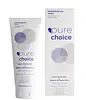
This barrier-repair moisturizer is formulated around Panthenol and Sodium Hyaluronate to strengthen the skin barrier and hydrate skin.

What's inside
What's inside
 Key Ingredients
Benefits
Concerns
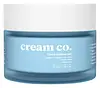
Ingredients Side-by-side
Water
Skin ConditioningCaprylic/Capric Triglyceride
Masking


Panthenol
Skin Conditioning


Sodium Hyaluronate
Humectant

Niacinamide
Smoothing






Butylene Glycol
Humectant
Glycerin
Humectant
Sodium Hyaluronate Crosspolymer
Humectant
Hydrolyzed Sodium Hyaluronate
Skin Conditioning
Sodium Acetylated Hyaluronate
Humectant
PEG-12 Dimethicone
Skin Conditioning
Dimethicone
Emollient
Cyclopentasiloxane
Emollient
Avena Sativa Meal Extract
SoothingPrunus Amygdalus Dulcis Seed Extract
Skin ConditioningPyrus Malus Fruit Extract
Skin Conditioning
Acetyl Glucosamine
Skin Conditioning
Narcissus Tazetta Bulb Extract
Astringent

Cucumis Sativus Fruit Extract
Emollient
Lens Esculenta Fruit Extract
Skin ConditioningCitrullus Lanatus Fruit Extract
Skin Conditioning
Silybum Marianum Extract
Skin Conditioning
Salicornia Herbacea Extract
Skin ConditioningVaccinium Myrtillus Fruit Extract
Skin ConditioningHelianthus Annuus Seed Extract
Skin Conditioning
Triticum Vulgare Germ Extract
Skin ConditioningSodium Lactate
Buffering
Mannitol
Humectant
Sorbitol
Humectant
Cannabis Sativa Seed Oil
Emollient


Phenoxyethanol
Preservative
Tocopheryl Acetate
Antioxidant

Xylitylglucoside
Humectant
Anhydroxylitol
Humectant
Xylitol
Humectant
Allantoin
Skin Conditioning
Sodium PCA
Humectant
Ethylhexylglycerin
Skin ConditioningWater, Caprylic/Capric Triglyceride, Panthenol, Sodium Hyaluronate, Niacinamide, Butylene Glycol, Glycerin, Sodium Hyaluronate Crosspolymer, Hydrolyzed Sodium Hyaluronate, Sodium Acetylated Hyaluronate, PEG-12 Dimethicone, Dimethicone, Cyclopentasiloxane, Avena Sativa Meal Extract, Prunus Amygdalus Dulcis Seed Extract, Pyrus Malus Fruit Extract, Acetyl Glucosamine, Narcissus Tazetta Bulb Extract, Cucumis Sativus Fruit Extract, Lens Esculenta Fruit Extract, Citrullus Lanatus Fruit Extract, Silybum Marianum Extract, Salicornia Herbacea Extract, Vaccinium Myrtillus Fruit Extract, Helianthus Annuus Seed Extract, Triticum Vulgare Germ Extract, Sodium Lactate, Mannitol, Sorbitol, Cannabis Sativa Seed Oil, Phenoxyethanol, Tocopheryl Acetate, Xylitylglucoside, Anhydroxylitol, Xylitol, Allantoin, Sodium PCA, Ethylhexylglycerin
Water
Skin ConditioningGlycerin
Humectant
Squalane
Emollient
Propanediol
Solvent
Xylitylglucoside
Humectant
Saccharide Isomerate
Humectant
Bisabolol
Antioxidant
Propylene Glycol Dibenzoate
Skin ConditioningIsostearyl Alcohol
Emollient
Pentylene Glycol
Skin Conditioning
Caprylyl Glycol
Emollient
Acrylates/C10-30 Alkyl Acrylate Crosspolymer
Emulsion StabilisingAnhydroxylitol
Humectant
Sodium Acrylates Copolymer
Beta-Glucan
Skin Conditioning
Calendula Officinalis Flower Oil
Masking

Xylitol
Humectant
Lecithin
Emollient
Sodium Hydroxide
BufferingEthylhexylglycerin
Skin ConditioningAvena Sativa Kernel Extract
Abrasive
Citric Acid
Buffering
Humulus Lupulus Extract
AntimicrobialHydrolyzed Glycosaminoglycans
HumectantCeramide NP
Skin Conditioning
Sodium Hyaluronate
Humectant
Sodium Citrate
BufferingHydrolyzed Hyaluronic Acid
Humectant
Hyaluronic Acid
Humectant
Sodium Hyaluronate Crosspolymer
Humectant
Terminalia Chebula Fruit Extract
Skin ConditioningWater, Glycerin, Squalane, Propanediol, Xylitylglucoside, Saccharide Isomerate, Bisabolol, Propylene Glycol Dibenzoate, Isostearyl Alcohol, Pentylene Glycol, Caprylyl Glycol, Acrylates/C10-30 Alkyl Acrylate Crosspolymer, Anhydroxylitol, Sodium Acrylates Copolymer, Beta-Glucan, Calendula Officinalis Flower Oil, Xylitol, Lecithin, Sodium Hydroxide, Ethylhexylglycerin, Avena Sativa Kernel Extract, Citric Acid, Humulus Lupulus Extract, Hydrolyzed Glycosaminoglycans, Ceramide NP, Sodium Hyaluronate, Sodium Citrate, Hydrolyzed Hyaluronic Acid, Hyaluronic Acid, Sodium Hyaluronate Crosspolymer, Terminalia Chebula Fruit Extract
Reviews
Ingredients Explained
These ingredients are found in both products.
Ingredients higher up in an ingredient list are typically present in a larger amount.
This ingredient is created from dehydrating xylitol in acidic conditions. Xylitol is a famous sugar and humectant.
Much like its predecessor, anhydroxylitol is a humectant. Humectants attract and hold water to moisturize the skin.
This ingredient is most commonly found in a popular trio called Aquaxyl. Aquaxyl is made up of anhydroxylitol (24 - 34%), xylitylglucoside (35 - 50%), and xylitol (5 - 15%).
According to a manufacturer, Aquaxyl is known for a 3-D hydration concept and an anti-dehydration shield to reinforce the outer layer of skin.
This ingredient is often derived from plants such as wood and sugarcane.
Learn more about AnhydroxylitolEthylhexylglycerin is created from glycerin. It is a multitasker ingredient that:
The CIR Expert Panel found minimal skin absorption or sensitization of any kind in a safety assessment. Though this ingredient is considered well-tolerated, a small number of cases of allergic dermatitis have been published since 2002. Just be sure to patch test if you are unsure.
Industry-reported use ranges from 8% in rinse-off products and 2% in leave-on formulations.
Learn more about EthylhexylglycerinGlycerin (or glycerol) is a compound naturally found in your skin. It's a powerhouse humectant that pulls water into the stratum corneum.
Topically, glycerin does several things at once:
Your skin makes glycerin on its own (mostly from sebaceous oil breakdown) and shuttles it to your outermost layer of skin, or your epidermis, via aquaporin-3.
Aquaporin-3 is a transporter that is essential for normal skin hydration, elasticity, and repair. Interestingly, mice lacking in AQP3 have dry and less elastic skin that can be fully corrected with glycerin.
This ingredient is non-irritating, plays well with almost every ingredient, and works across all skin types. Typical use is anywhere between 3-10% but can go up to 79% in some leave-on products.
Just know very high concentrations (>40%) can feel tacky in low humidity.
Glycerin is the name for this ingredient in American English. British English uses Glycerol/Glycerine.
Learn more about GlycerinSodium Hyaluronate is the salt form of hyaluronic acid. It is a long sugar chain that is naturally found in your skin, joints, and connective tissue that maintains hydration and elasticity.
In skincare, it works as a humectant. It pulls water from the environment and deeper layers of skin and binds it to the surface.
Interestingly, the size of the molecule affects its behavior:
Some clinical evidence links low molecular weight versions to improved wrinkle depth, elasticity, anti-inflammatory effects, and barrier repair.
Many serums use a blend of both weights so you can get surface hydration plus longer-lasting and deeper effects.
You'll typically see concentrations between 0.1-2% for this ingredient.
Learn more about Sodium HyaluronateSodium Hyaluronate Crosspolymer is a crosslinked version of sodium hyaluronate. This just means it's linked into a 3D mesh network that lets it be more stable and sit on skin as a cohesive, gel-like film rather than sinking into skin.
A 2016 human skin study found crosslinked HA increased epidermal water content by 7.6% over the control group and reduced transepidermal water loss by 27.8%.
A follow-up clinical trial found that a topical crosslinked HA serum applied after fillers, microneedling, or chemical peels was well-tolerated and enhanced skin quality at 14 / 28 days.
More recent research suggests that concentrations as low as 0.03% can act as a penetration enhancer for other skincare actives.
Learn more about Sodium Hyaluronate CrosspolymerWater. It's the most common cosmetic ingredient of all. You'll usually see it at the top of ingredient lists, meaning that it makes up the largest part of the product.
So why is it so popular? Water most often acts as a solvent - this means that it helps dissolve other ingredients into the formulation.
You'll also recognize water as that liquid we all need to stay alive. If you see this, drink a glass of water. Remember to stay hydrated!
Learn more about WaterXylitol is a humectant and prebiotic. It can help with dry skin.
In studies, xylitol has been shown to improve dry skin. It decreased transepidermal water loss, or when water passes through the skin and evaporates. Xylitol also showed to help improve the biomechanical properties of the skin barrier.
The prebiotic property of xylitol may also help reinforce our skin's natural microbiome. Having a healthy microbiome prevents infection by bad bacteria and helps with hydration.
As a humectant, Xylitol helps draw moisture from both the air and from deeper skin layers. This helps keep skin hydrated.
Xylitol is a sugar alcohol and commonly used as a sugar substitute. It is naturally occurring in plants such as strawberries and pumpkin.
Learn more about XylitolXylitylglucoside is created from xylitol and glucose, two humectants.
Not surprisingly, this ingredient is also a humectant. It attracts and holds water in your skin, helping to maintain hydration.
This ingredient is most commonly found in a popular trio called Aquaxyl. Aquaxyl is made up of anhydroxylitol(24 - 34%), xylitylglucoside (35 - 50%), and xylitol (5 - 15%).
According to a manufacturer, Aquaxyl is known for a 3-D hydration concept and an anti-dehydration shield to reinforce the outer layer of skin.
Learn more about Xylitylglucoside


