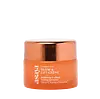
This brightening moisturizer is formulated around Aloe Barbadensis Leaf Juice and 3-O-Ethyl Ascorbic Acid to brighten dull-looking skin and hydrate skin.
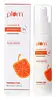
This brightening moisturizer is formulated around Niacinamide and Tripeptide-1 to brighten dull-looking skin and soften the look of wrinkles.

What's inside
What's inside
 Key Ingredients
Benefits
Concerns
Ingredients Side-by-side
Water
Skin ConditioningAloe Barbadensis Leaf Juice
Skin Conditioning


Isodecyl Neopentanoate
Emollient3-O-Ethyl Ascorbic Acid
Skin Conditioning




Betaine
Humectant
Glycerin
Humectant
Citrus Reticulata Peel Extract
Skin ConditioningTerminalia Ferdinandiana Fruit Extract
Antioxidant
Prunus Amygdalus Dulcis Oil
Skin Conditioning




Squalane
Emollient
Sodium Citrate
BufferingArgania Spinosa Kernel Oil
Emollient

Ammonium Acryloyldimethyltaurate/Vp Copolymer
Hydroxyethyl Acrylate/Sodium Acryloyldimethyl Taurate Copolymer
Emulsion StabilisingCyclodextrin
AbsorbentGlyceryl Stearate
Emollient
PEG-100 Stearate
Surfactant
Sucrose
Humectant
Benzyl Alcohol
Perfuming





Hydroxyacetophenone
Antioxidant
Caprylyl Glycol
Emollient
Sodium Gluconate
ChelatingSodium Hyaluronate
Humectant
Citric Acid
Buffering
Dilauryl Thiodipropionate
Antioxidant
Sodium Benzotriazolyl Butylphenol Sulfonate
UV AbsorberButeth-3
SolventTributyl Citrate
SolventWater, Aloe Barbadensis Leaf Juice, Isodecyl Neopentanoate, 3-O-Ethyl Ascorbic Acid, Betaine, Glycerin, Citrus Reticulata Peel Extract, Terminalia Ferdinandiana Fruit Extract, Prunus Amygdalus Dulcis Oil, Squalane, Sodium Citrate, Argania Spinosa Kernel Oil, Ammonium Acryloyldimethyltaurate/Vp Copolymer, Hydroxyethyl Acrylate/Sodium Acryloyldimethyl Taurate Copolymer, Cyclodextrin, Glyceryl Stearate, PEG-100 Stearate, Sucrose, Benzyl Alcohol, Hydroxyacetophenone, Caprylyl Glycol, Sodium Gluconate, Sodium Hyaluronate, Citric Acid, Dilauryl Thiodipropionate, Sodium Benzotriazolyl Butylphenol Sulfonate, Buteth-3, Tributyl Citrate
Water
Skin ConditioningNiacinamide
Smoothing

Cyclopentasiloxane
Emollient
Phenyl Trimethicone
Skin Conditioning
Dimethiconol
Emollient
C12-15 Alkyl Benzoate
AntimicrobialDimethicone Crosspolymer
Emulsion Stabilising
C15-19 Alkane
SolventCoco-Caprylate/Caprate
Emollient
Ethylhexyl Olivate
Skin Conditioning
Sodium Acrylates Copolymer
Polyglyceryl-4 Olivate
EmollientTerminalia Ferdinandiana Fruit Extract
Antioxidant
Glycerin
Humectant
Propylene Glycol
Humectant
Dextran
Tripeptide-1
Skin Conditioning
Propanediol
Solvent
Olive Oil PEG-7 Esters
Emollient
Phenoxyethanol
Preservative
Ethylhexylglycerin
Skin ConditioningGlyceryl Stearate
Emollient
PEG-100 Stearate
Surfactant
Saccharide Isomerate
Humectant
Citric Acid
Buffering
Sodium Citrate
Buffering3-O-Ethyl Ascorbic Acid
Skin Conditioning
Sodium Hyaluronate
Humectant
Sodium Benzoate
Masking
Potassium Sorbate
Preservative
Acrylates/C10-30 Alkyl Acrylate Crosspolymer
Emulsion StabilisingPanthenol
Skin Conditioning
Sodium Gluconate
ChelatingCI 15985
Cosmetic ColorantParfum
Masking
Water, Niacinamide, Cyclopentasiloxane, Phenyl Trimethicone, Dimethiconol, C12-15 Alkyl Benzoate, Dimethicone Crosspolymer, C15-19 Alkane, Coco-Caprylate/Caprate, Ethylhexyl Olivate, Sodium Acrylates Copolymer, Polyglyceryl-4 Olivate, Terminalia Ferdinandiana Fruit Extract, Glycerin, Propylene Glycol, Dextran, Tripeptide-1, Propanediol, Olive Oil PEG-7 Esters, Phenoxyethanol, Ethylhexylglycerin, Glyceryl Stearate, PEG-100 Stearate, Saccharide Isomerate, Citric Acid, Sodium Citrate, 3-O-Ethyl Ascorbic Acid, Sodium Hyaluronate, Sodium Benzoate, Potassium Sorbate, Acrylates/C10-30 Alkyl Acrylate Crosspolymer, Panthenol, Sodium Gluconate, CI 15985, Parfum
Ingredients Explained
These ingredients are found in both products.
Ingredients higher up in an ingredient list are typically present in a larger amount.
3-O-Ethyl Ascorbic Acid is one of the most popular "stable" vitamin C derivatives in skincare.
Plain ascorbic acid is fantastic but notoriously fragile; it browns, oxidizes, and loses potency fast. So attaching an ethyl group to the third carbon of the molecule gives it some cool perks:
In a formula, it does the 3 classic vitamin C jobs: it acts as an antioxidant, helps brighten skin tone by inhibiting tyrosinase, and supports collagen.
The evidence is reasonably solid for a cosmetic ingredient; Liao and colleagues (2018) showed it's significantly more stable than ascorbic acid while still being effective.
A 2021 study by Zerbinati and colleagues tested a serum with 30% 3-O-ethyl-l-ascorbic acid and 1% lactic acid significantly increased collagen production, reduced UVB-induced DNA damage, and decreased melanin on a reconstructed pigmented skin model.
Typical real world usage sits around 0.5-5% (and 1-2% is common for daily serums).
Amounts up to 30% have been shown to be non-irritating on human skin samples, but two isolated cases reported allergic contact dermatitis so a patch test is sensible if you have reactive skin.
Learn more about 3-O-Ethyl Ascorbic AcidCitric Acid is an alpha hydroxy acid (AHA) naturally found in citrus fruits like oranges, lemons, and limes.
Like other AHAs, citric acid can exfoliate skin by breaking down the bonds that hold dead skin cells together. This helps reveal smoother and brighter skin underneath.
However, this exfoliating effect only happens at high concentrations (20%) which can be hard to find in cosmetic products.
Due to this, citric acid is usually included in small amounts as a pH adjuster. This helps keep products slightly more acidic and compatible with skin's natural pH.
In skincare formulas, citric acid can:
While it can provide some skin benefits, research shows lactic acid and glycolic acid are generally more effective and less irritating exfoliants.
Most citric acid used in skincare today is made by fermenting sugars (usually from molasses). This synthetic version is identical to the natural citrus form but easier to stabilize and use in formulations.
Rosacea skin has a lower threshold for acids generally, with 62.5% of rosacea subjects in one study reacting to lactic acid in a sting test. This is why we mark citric acid as a potential rosacea trigger.
However, this ingredient shows up as a pH adjuster or chelator at roughly 0.1-1% in many products. These low levels are unlikely to be an issue for rosacea skin and becomes a potential trigger at exfoliating concentrations (20%). Because everybody's skin is unique, we recommend a patch test if you are unsure.
Learn more about Citric AcidGlycerin (or glycerol) is a compound naturally found in your skin. It's a powerhouse humectant that pulls water into the stratum corneum.
Topically, glycerin does several things at once:
Your skin makes glycerin on its own (mostly from sebaceous oil breakdown) and shuttles it to your outermost layer of skin, or your epidermis, via aquaporin-3.
Aquaporin-3 is a transporter that is essential for normal skin hydration, elasticity, and repair. Interestingly, mice lacking in AQP3 have dry and less elastic skin that can be fully corrected with glycerin.
This ingredient is non-irritating, plays well with almost every ingredient, and works across all skin types. Typical use is anywhere between 3-10% but can go up to 79% in some leave-on products.
Just know very high concentrations (>40%) can feel tacky in low humidity.
Glycerin is the name for this ingredient in American English. British English uses Glycerol/Glycerine.
Learn more about GlycerinGlyceryl Stearate is made by reacting glycerin with stearic acid (typically sourced from plant oils like palm or coconut). It's an emulsifier, emollient, and mild occlusive.
Emulsifiers help ingredients like oil and water stay mixed so your formula stays nicely blended and uniform in texture.
This ingredient is typically used in concentrations between 1-10%. Studies have found it to be non-sensitizing, non-phototoxic, and non-photoallergenic.
A close cousin of this ingredient is Glyceryl Stearate SE ("self-emulsifying"). This just has a small amount of sodium or potassium stearate added so it can emulsify without a co-emulsifier.
Since this ingredient is an ester of a C18 fatty acid, it may not be fungal acne safe. The Malassezia yeast can potentially metabolize within the C11-C24 range.
Fun fact: The human body also creates Glyceryl Stearate naturally.
Learn more about Glyceryl StearatePeg-100 Stearate is an emollient and emulsifier. As an emollient, it helps keep skin soft by trapping moisture in. On the other hand, emulsifiers help prevent oil and water from separating in a product.
PEGS are a hydrophilic polyether compound . There are 100 ethylene oxide monomers in Peg-100 Stearate. Peg-100 Stearate is polyethylene glycol ester of stearic acid.
Sodium Citrate is the sodium salts of citric acid. In skincare, it is used to alter pH levels and acts as a preservative.
Its main functions are to maintain the pH of a product and neutralize metal ions.
The acidity of our skin is maintained by our glands and skin biome; normal pH level of skin is slightly acidic (~4.75-5.5).
Being slightly acidic allows our skin to create an "acid mantle". This acid mantle is a thin barrier that protects our skin from bacteria and contaminants.
Learn more about Sodium CitrateSodium Gluconate is the sodium salt of gluconic acid. In skincare, its main job is as a chelator.
Chelators grab onto stray metal ions like iron and copper that sneak in through water, raw materials, or manufacturing equipment. This stops them from triggering reactions that cause oils to go rancid, formulas to change color, and actives like vitamin C to fall apart.
This ingredient is often chosen as a biodegradable, gentler-sounding alternative to EDTA. It also pulls double duty as a mild humectant and pH buffer.
Typical use levels sit around 0.1-1% and supplier documents list up to 10% as an acceptable ceiling. Industry data found this ingredient family is mostly used well below 1% in leave on products.
Allergy risk is very low; animal testing has found it to be non-irritating to skin and eyes, mutagenicity assays came back negative, and there are no published reports of allergic contact dermatitis to it.
Learn more about Sodium GluconateSodium Hyaluronate is the salt form of hyaluronic acid. It is a long sugar chain that is naturally found in your skin, joints, and connective tissue that maintains hydration and elasticity.
In skincare, it works as a humectant. It pulls water from the environment and deeper layers of skin and binds it to the surface.
Interestingly, the size of the molecule affects its behavior:
Some clinical evidence links low molecular weight versions to improved wrinkle depth, elasticity, anti-inflammatory effects, and barrier repair.
Many serums use a blend of both weights so you can get surface hydration plus longer-lasting and deeper effects.
You'll typically see concentrations between 0.1-2% for this ingredient.
Learn more about Sodium HyaluronateTerminalia Ferdinandiana Fruit Extract is from the Kakadu plum. The Kakadu plum is native to northern Australia. The Kakadu plum holds the record for having the highest amount of natural vitamin C.
This ingredient is an antioxidant. Antioxidants help fight free-radical molecules. Free-radical molecules are capable of damaging our cells and other genetic material. Antioxidants help stabilize free-radicals and thus may reduce the signs of aging.
The high vitamin C content of Kakadu plum also helps lighten skin. Vitamin C has been shown to block the process of skin darkening that leads to hyperpigmentation.
Kakadu plums have been used by indigenous cultures as medicine to help treat colds and as an antiseptic.
Learn more about Terminalia Ferdinandiana Fruit ExtractWater. It's the most common cosmetic ingredient of all. You'll usually see it at the top of ingredient lists, meaning that it makes up the largest part of the product.
So why is it so popular? Water most often acts as a solvent - this means that it helps dissolve other ingredients into the formulation.
You'll also recognize water as that liquid we all need to stay alive. If you see this, drink a glass of water. Remember to stay hydrated!
Learn more about Water

