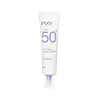
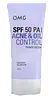
Pixy UV Primer Sunscreen SPF 50+ PA++++ Versus OMG Beauty Acne & Oil Control UV Barrier Sunscreen SPF 50
This chemical sunscreen covers most of the UV range, lighter on the deep UVA that drives aging, though its SPF isn't confirmed on file yet.
This chemical sunscreen covers most of the UV range, lighter on the deep UVA that drives aging.

What's inside
What's inside
 Key Ingredients
Benefits
Concerns
Ingredients Side-by-side
Water
Skin ConditioningButylene Glycol
Humectant

Ethylhexyl Methoxycinnamate
UV Absorber


Diethylamino Hydroxybenzoyl Hexyl Benzoate
UV Filter
Silica
Abrasive


Ethylhexyl Palmitate
Emollient




Pentylene Glycol
Skin Conditioning
Polyglyceryl-10 Myristate
Skin Conditioning
Phenoxyethanol
Preservative
Caprylyl Glycol
Emollient
Carbomer
Emulsion StabilisingPotassium Hydroxide
BufferingXanthan Gum
EmulsifyingParfum
Masking

Tocopherol
Antioxidant





Propylene Glycol
Humectant
Hamamelis Virginiana Leaf Extract
Skin Conditioning
Citrus Limon Juice
Skin Conditioning
BHT
Antioxidant
Sodium Benzoate
Masking
Potassium Sorbate
Preservative
Water, Butylene Glycol, Ethylhexyl Methoxycinnamate, Diethylamino Hydroxybenzoyl Hexyl Benzoate, Silica, Ethylhexyl Palmitate, Pentylene Glycol, Polyglyceryl-10 Myristate, Phenoxyethanol, Caprylyl Glycol, Carbomer, Potassium Hydroxide, Xanthan Gum, Parfum, Tocopherol, Propylene Glycol, Hamamelis Virginiana Leaf Extract, Citrus Limon Juice, BHT, Sodium Benzoate, Potassium Sorbate
Water
Skin ConditioningEthylhexyl Methoxycinnamate
UV Absorber
Niacinamide
Smoothing




Butyl Methoxydibenzoylmethane
UV Absorber
Propanediol
Solvent
Butylene Glycol
Humectant
Octocrylene
UV Absorber
Aluminum Starch Octenylsuccinate
Absorbent
Cetearyl Olivate
1,2-Hexanediol
Skin Conditioning
Polymethyl Methacrylate
Ammonium Acryloyldimethyltaurate/Vp Copolymer
Acrylates/C10-30 Alkyl Acrylate Crosspolymer
Emulsion StabilisingAllantoin
Skin Conditioning
Sorbitan Olivate
Emulsifying
Aminomethyl Propanol
BufferingPropylene Glycol
Humectant
Chlorphenesin
Antimicrobial
Salicylic Acid
Masking
Lecithin
Emollient
Ethylhexyl Triazone
UV Absorber
Glycyrrhiza Glabra Root Extract
Bleaching
Caprylhydroxamic Acid
ChelatingGlycerin
Humectant
Phenoxyethanol
Preservative
Mentha Piperita Leaf Extract
Skin ConditioningPolysorbate 60
Emulsifying
BHT
Antioxidant
Chamomilla Recutita Flower/Leaf Extract
AntimicrobialPotassium Sorbate
Preservative
Sodium Benzoate
Masking
Artemisia Capillaris Flower Extract
Skin ConditioningAscorbyl Glucoside
Antioxidant
Sodium Phytate
ChelatingWater, Ethylhexyl Methoxycinnamate, Niacinamide, Butyl Methoxydibenzoylmethane, Propanediol, Butylene Glycol, Octocrylene, Aluminum Starch Octenylsuccinate, Cetearyl Olivate, 1,2-Hexanediol, Polymethyl Methacrylate, Ammonium Acryloyldimethyltaurate/Vp Copolymer, Acrylates/C10-30 Alkyl Acrylate Crosspolymer, Allantoin, Sorbitan Olivate, Aminomethyl Propanol, Propylene Glycol, Chlorphenesin, Salicylic Acid, Lecithin, Ethylhexyl Triazone, Glycyrrhiza Glabra Root Extract, Caprylhydroxamic Acid, Glycerin, Phenoxyethanol, Mentha Piperita Leaf Extract, Polysorbate 60, BHT, Chamomilla Recutita Flower/Leaf Extract, Potassium Sorbate, Sodium Benzoate, Artemisia Capillaris Flower Extract, Ascorbyl Glucoside, Sodium Phytate
Ingredients Explained
These ingredients are found in both products.
Ingredients higher up in an ingredient list are typically present in a larger amount.
BHT is a synthetic antioxidant and preservative.
As an antioxidant, it helps your body fight off free-radicals. Free-radicals are molecules that may damage your skin cells.
As a preservative, it is used to stabilize products and prevent them from degrading. Specifically, BHT prevents degradation from oxidation.
The concerns related to BHT come from oral studies; this ingredient is currently allowed for use by both the FDA and EU.
However, it was recently restricted for use in the UK as of April 2024.
Learn more about BHTButylene Glycol (or BG) is used within cosmetic products for a few different reasons:
Overall, Butylene Glycol is a safe and well-rounded ingredient that works well with other ingredients.
Though this ingredient works well with most skin types, some people with sensitive skin may experience a reaction such as allergic rashes, closed comedones, or itchiness.
Learn more about Butylene GlycolThis ingredient is also known as Octinoxate and is one of the oldest and most widely used chemical UV filters in skincare.
It has a simple job: soap up UVB radiation (290-320 nm), the wavelengths responsible for sunburn and a big chunk of long-term sun damage.
In formulas, it's always paired with a separate UVA filter because octinoxate solely protects skin from UVB.
Because it's an oil-soluble liquid, it's easy to blend into the oil phase of lotions/creams and gives a cosmetically elegant feel.
The one quirk about formulating this ingredient is photostability; the molecule slowly changes shape into a less effective version when sunlight hits it. So the longer you're in the sun, the weaker its protection gets. The drop can be more than 30% in some formulas.
It also doesn't play nice with Avobenzone (the common UVA filter) since avobenzone destabilizes octinoxate and the two degrade each other. But don't worry: brands have solved this issue by adding photostabilizers like Tinosorb S to prevent degradation and keep SPF stable under heavy UV exposure.
The maximum allowed level is 10% in the EU and Australia, 7.5% in the US and Canada, and 20% in Japan.
The Cosmetic Ingredient Review Panel has concluded this ingredient to be safe in cosmetics up to 10%.
One last thing worth knowing for context:
Octinoxate has been the subject of ongoing review in Europe where the Scientific Committee on Consumer Safety's (SCCS) 2025 final opinion is that this ingredient is an endocrine-active substance.
Lab and animal studies suggest it can act a bit like a hormone in the body (mildly mimicking estrogen and slightly blocking male hormones). It's important to know this hasn't really been shown to happen in everyday human use.
This ingredient is also banned in Hawaii over coral reef concerns.
Learn more about Ethylhexyl MethoxycinnamatePhenoxyethanol is one of the most widely used preservatives in skincare (and for good reason!).
It has a large spectrum of antimicrobial activity and especially effective bacteria, yeast, and mold while only having a weak effect on your skin's natural microbiome.
On a cellular level, it disrupts the cell membranes of microbes by poking holes that make the cell leak. This shuts down the chemical reactions the microbe needs to make energy so it can no longer survive.
Another perk of this ingredient is that it stays functional across a wide pH range (3-10).
You'll often see it paired with boosters like Ethylhexylglycerin; one study showed that a 1:9 ratio of Ethylhexylglycerin to Phenoxyethanol damages bacterial membranes as effectively as doubling the Phenoxyethanol concentration on its own.
Typical use concentrations range from 0.3-1% depending on the formula, and this ingredient is capped at 1% int the EU.
Safety-wise, the fear mongering does not hold up to the evidence. The EU's Scientific Committee on Consumer Safety and FDA consider it safe as a preservative at up to 1%, including for children of all ages.
Adverse systemic effects only showed up in animal studies at exposures roughly 200x higher than what people get from cosmetics. And despite its very widespread use, this ingredient is a rare sensitizer and allergic reactions are uncommon.
Learn more about PhenoxyethanolPotassium Sorbate is a preservative used to prevent yeast and mold in products. It is commonly found in both cosmetic and food products.
This ingredient comes from potassium salt derived from sorbic acid. Sorbic acid is a natural antibiotic and effective against fungus.
Both potassium sorbate and sorbic acid can be found in baked goods, cheeses, dried meats, dried fruit, ice cream, pickles, wine, yogurt, and more.
You'll often find this ingredient used with other preservatives.
Learn more about Potassium SorbatePropylene Glycol is a synthetic, colorless, odorless liquid that has been a staple in cosmetics for decades. It is a skin conditioning agent, humectant, and solvent.
As a humectant, it draw water to the skin to reduce flaking and restore suppleness. It's also a solvent that helps dissolve other actives and keeps formulas stable across temperature changes.
The CIR Expert Panel has confirmed this ingredient to be nontoxic and clinical studies show no sensitization at cosmetic use concentrations.
True allergic reactions are quite rare: a 15-year retrospective study of 6,751 patients found only 0.31% had a positive reaction (and less than half were considered clinically relevant).
It seemed that when sensitization does occur, it's most commonly linked to topical medication (like corticosteroids) and not cosmetics. Allergic contact dermatitis also appears largely limited to individuals with underlying skin conditions.
Overall, propylene glycol is a well-studied ingredient that most people can tolerate without issue.
Learn more about Propylene GlycolSodium Benzoate is a preservative. It's used in both cosmetic and food products to inhibit the growth of mold and bacteria. It is typically produced synthetically.
Both the US FDA and EU Health Committee have approved the use of sodium benzoate. In the US, levels of 0.1% (of the total product) are allowed.
Sodium benzoate works as a preservative by inhibiting the growth of bacteria inside of cells. It prevents the cell from fermenting a type of sugar using an enzyme called phosphofructokinase.
It is the salt of benzoic acid. Foods containing sodium benzoate include soda, salad dressings, condiments, fruit juices, wines, and snack foods.
Studies for using ascorbic acid and sodium benzoate in cosmetics are lacking, especially in skincare routines with multiple steps.
We always recommend speaking with a professional, such as a dermatologist, if you have any concerns.
Learn more about Sodium BenzoateWater. It's the most common cosmetic ingredient of all. You'll usually see it at the top of ingredient lists, meaning that it makes up the largest part of the product.
So why is it so popular? Water most often acts as a solvent - this means that it helps dissolve other ingredients into the formulation.
You'll also recognize water as that liquid we all need to stay alive. If you see this, drink a glass of water. Remember to stay hydrated!
Learn more about Water

