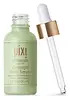
This brightening serum is formulated around Glycolic Acid to brighten dull-looking skin and refine skin texture.
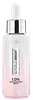
This brightening serum is formulated around Niacinamide and Glycolic Acid to brighten dull-looking skin and fade the look of dark spots.


What's inside
What's inside
 Key Ingredients
Benefits
Concerns
Ingredients Side-by-side
Water
Skin ConditioningGlycerin
Humectant


Glycolic Acid
Buffering










Polysorbate 20
Emulsifying
Hydroxyethylcellulose
Emulsion StabilisingAmmonium Hydroxide
BufferingPhenoxyethanol
Preservative
Propylene Glycol
Humectant
Ethylhexylglycerin
Skin ConditioningAloe Barbadensis Leaf Extract
Emollient

Cucumis Sativus Fruit Extract
Emollient
Arginine
Masking
Disodium EDTA
ChelatingTocopheryl Acetate
Antioxidant

Retinyl Palmitate
Skin Conditioning
Ascorbyl Palmitate
Antioxidant
Lecithin
Emollient
Sucrose
Humectant
Hydrogenated Lecithin
Emulsifying
Caprylic/Capric Triglyceride
Masking
Cyclopentasiloxane
Emollient
BHT
Antioxidant
Cyclohexasiloxane
Emollient
Xanthan Gum
EmulsifyingAscorbic Acid
Antioxidant
Water, Glycerin, Glycolic Acid, Polysorbate 20, Hydroxyethylcellulose, Ammonium Hydroxide, Phenoxyethanol, Propylene Glycol, Ethylhexylglycerin, Aloe Barbadensis Leaf Extract, Cucumis Sativus Fruit Extract, Arginine, Disodium EDTA, Tocopheryl Acetate, Retinyl Palmitate, Ascorbyl Palmitate, Lecithin, Sucrose, Hydrogenated Lecithin, Caprylic/Capric Triglyceride, Cyclopentasiloxane, BHT, Cyclohexasiloxane, Xanthan Gum, Ascorbic Acid
Water
Skin ConditioningGlycerin
Humectant
Alcohol
Antimicrobial

Dipropylene Glycol
HumectantButylene Glycol
Humectant
PEG/PPG/Polybutylene Glycol-8/5/3 Glycerin
HumectantNiacinamide
Smoothing
Hydroxyethylpiperazine Ethane Sulfonic Acid
BufferingBis-PEG-18 Methyl Ether Dimethyl Silane
EmollientGlycolic Acid
Buffering
3-O-Ethyl Ascorbic Acid
Skin Conditioning
Isononyl Isononanoate
EmollientLinalool
Perfuming

Geraniol
Perfuming
Sorbitan Isostearate
Emulsifying
Eugenol
Perfuming
Parfum
Masking
Salicylic Acid
Masking
Sodium Hydroxide
BufferingSodium Citrate
BufferingSodium Hyaluronate
Humectant
Phenoxyethanol
Preservative
Phenylethyl Resorcinol
Antioxidant
Adenosine
Skin Conditioning
Ammonium Polyacryloyldimethyl Taurate
Emulsion StabilisingTocopheryl Acetate
Antioxidant
Disodium EDTA
ChelatingLimonene
Perfuming
Tocopherol
Antioxidant
Hydroxyethyl Acrylate/Sodium Acryloyldimethyl Taurate Copolymer
Emulsion StabilisingHydrogenated Lecithin
Emulsifying
Citric Acid
Buffering
Citronellol
Perfuming
Xanthan Gum
EmulsifyingAcetyl Trifluoromethylphenyl Valylglycine
Skin ConditioningOxothiazolidinecarboxylic Acid
Skin ConditioningPolysorbate 60
Emulsifying
Hexyl Cinnamal
Perfuming
Benzyl Alcohol
Perfuming
Water, Glycerin, Alcohol, Dipropylene Glycol, Butylene Glycol, PEG/PPG/Polybutylene Glycol-8/5/3 Glycerin, Niacinamide, Hydroxyethylpiperazine Ethane Sulfonic Acid, Bis-PEG-18 Methyl Ether Dimethyl Silane, Glycolic Acid, 3-O-Ethyl Ascorbic Acid, Isononyl Isononanoate, Linalool, Geraniol, Sorbitan Isostearate, Eugenol, Parfum, Salicylic Acid, Sodium Hydroxide, Sodium Citrate, Sodium Hyaluronate, Phenoxyethanol, Phenylethyl Resorcinol, Adenosine, Ammonium Polyacryloyldimethyl Taurate, Tocopheryl Acetate, Disodium EDTA, Limonene, Tocopherol, Hydroxyethyl Acrylate/Sodium Acryloyldimethyl Taurate Copolymer, Hydrogenated Lecithin, Citric Acid, Citronellol, Xanthan Gum, Acetyl Trifluoromethylphenyl Valylglycine, Oxothiazolidinecarboxylic Acid, Polysorbate 60, Hexyl Cinnamal, Benzyl Alcohol
Reviews
Ingredients Explained
These ingredients are found in both products.
Ingredients higher up in an ingredient list are typically present in a larger amount.
Disodium EDTA is a chelating agent. It grabs onto and deactivates metal ions that sneak into your products from water, packaging, or air.
This ingredient mainly works behind the scenes and helps with:
On top of that, this ingredient can counteract the effects of hard water by binding to the minerals in it.
One thing worth knowing is that Disodium EDTA has been shown to be a mild penetration enhancer. It can help other ingredients absorb into skin more effectively which can be a double-edged sword (great for actives, but can also make the active too strong if you have sensitive skin).
Clinical patch testing showed no significant skin irritation at typical use concentrations and minimal dermal absorption.
You'll most likely see this ingredient near the end of an ingredient list. It's typically found in concentrations less than 1%.
Learn more about Disodium EDTAGlycerin (or glycerol) is a compound naturally found in your skin. It's a powerhouse humectant that pulls water into the stratum corneum.
Topically, glycerin does several things at once:
Your skin makes glycerin on its own (mostly from sebaceous oil breakdown) and shuttles it to your outermost layer of skin, or your epidermis, via aquaporin-3.
Aquaporin-3 is a transporter that is essential for normal skin hydration, elasticity, and repair. Interestingly, mice lacking in AQP3 have dry and less elastic skin that can be fully corrected with glycerin.
This ingredient is non-irritating, plays well with almost every ingredient, and works across all skin types. Typical use is anywhere between 3-10% but can go up to 79% in some leave-on products.
Just know very high concentrations (>40%) can feel tacky in low humidity.
Glycerin is the name for this ingredient in American English. British English uses Glycerol/Glycerine.
Learn more about GlycerinGlycolic Acid is arguably the most famous alpha hydroxy acid (AHA) with tons of research backing its benefits.
It is found naturally in sugar cane but the form used in skincare is usually synthetic for purity and stability.
Glycolic acid removes the top layer of dead skin cells to allow newer and fresher ones to emerge.
AHAs work by breaking down the structural “glue” that holds old skin cells in place. When that buildup is gone, your skin can renew itself more efficiently.
Research also shows glycolic acid stimulates collagen production, helping to firm and thicken the skin over time. This is one of its biggest advantages over other AHAs.
Overall, glycolic acid helps with:
Fun fact: Glycolic acid boosts skin hydration by helping it produce molecules that increase hyaluronic acid naturally.
To work best, glycolic acid products should have a pH between 3-4 (that’s where exfoliation is most effective but still gentle on skin).
The pH and concentration of a product are key to its effectiveness:
It is normal to feel a slight stinging sensation when using glycolic acid. This usually fades as your skin adjusts.
Because glycolic acid has the smallest molecular size in the AHA family, it can penetrate deeper, which enhances its effectiveness but also makes it more likely to irritate sensitive skin.
If your skin is very sensitive or prone to rosacea, glycolic acid may be too strong; in that case, try milder options like lactic acid or a PHA instead.
Recent studies suggest glycolic acid might even help protect against UV damage. But don’t skip sunscreen! Freshly exfoliated skin is more sensitive to the sun.
Glycolic acid is a skincare superstar. It smooths, brightens, hydrates, and firms the skin. Unless you’re highly sensitive, it’s well worth adding to your routine.
Read more about some other popular AHA's here:
Learn more about Glycolic AcidHydrogenated Lecithin is a more stable version of lecithin.
It's made by taking lecithin (a phospholipid commonly found in soybeans and egg yolks) and hydrogenating it. This just means the unsaturated fatty acids are turned into saturated ones so they don't go bad as easily.
This ingredient is an emollient, emulsifier, and penetration enhancer. As an emollient, it helps soften and hydrate skin by trapping moisture within. As an emulsifier, it prevents oil and water ingredients from separating.
Hydrogenated Lecithin can form tiny spherical structures made of phospholipid bilayers called liposomes. These liposomes are able to capture compounds inside their structure and deliver them through the skin barrier.
Because phospholipids are a natural component of our cell membranes, this ingredient is inherently compatible with skin.
A 2021 study found lecithin-based surfactants were less harsh and more tolerable comared to Sodium Lauryl Sulfate (SLS).
Learn more about Hydrogenated LecithinPhenoxyethanol is one of the most widely used preservatives in skincare (and for good reason!).
It has a large spectrum of antimicrobial activity and especially effective bacteria, yeast, and mold while only having a weak effect on your skin's natural microbiome.
On a cellular level, it disrupts the cell membranes of microbes by poking holes that make the cell leak. This shuts down the chemical reactions the microbe needs to make energy so it can no longer survive.
Another perk of this ingredient is that it stays functional across a wide pH range (3-10).
You'll often see it paired with boosters like Ethylhexylglycerin; one study showed that a 1:9 ratio of Ethylhexylglycerin to Phenoxyethanol damages bacterial membranes as effectively as doubling the Phenoxyethanol concentration on its own.
Typical use concentrations range from 0.3-1% depending on the formula, and this ingredient is capped at 1% int the EU.
Safety-wise, the fear mongering does not hold up to the evidence. The EU's Scientific Committee on Consumer Safety and FDA consider it safe as a preservative at up to 1%, including for children of all ages.
Adverse systemic effects only showed up in animal studies at exposures roughly 200x higher than what people get from cosmetics. And despite its very widespread use, this ingredient is a rare sensitizer and allergic reactions are uncommon.
Learn more about PhenoxyethanolTocopheryl Acetate is a stable, shelf-friendly form of vitamin E.
Formulators love it because plain vitamin E oxidizes quickly once it hits air. This acetate version stays stable and resists going off, helping to extend a product's shelf life.
It's actually inactive on its own and works like a slow-release "storage" form; the enzymes in your skin called esterases gradually convert it into active vitamin E over time.
One in vivo study showed 5% of the acetate in the living layer of the epidermis converted to vitamin E after 5 days of application. This study also found the skin gained protection against UV damage even though the conversion was slow and small.
Once converted, vitamin E acts as a skin's main fat-soluble antioxidant that fights free radicals to protect skin from damage.
Topical vitamin E generally boosts the skin's photoprotection, and it reduced UV-damage in animal models.
This ingredient has some brightening potential but it's more of a prevention ingredient than spot-fader. Cell studies show it can slow down melanin production but it's worth noting that it's not the most powerful brightener out there.
Overall, it has a pretty solid safety profile and has been found to be non-irritating and non-comedogenic. Allergic reactions may happen but stay rare due to how widely the ingredient gets used.
The concentration will vary depending on the formula; industry data shows 0.1% in baby lotions, 3% in lipsticks, and 5% in foot powders. You can also find this ingredient at 100% in a pure vitamin E oil.
Most leave-on skincare keeps it at the lower end, often between 0.5-1%.
Learn more about Tocopheryl AcetateWater. It's the most common cosmetic ingredient of all. You'll usually see it at the top of ingredient lists, meaning that it makes up the largest part of the product.
So why is it so popular? Water most often acts as a solvent - this means that it helps dissolve other ingredients into the formulation.
You'll also recognize water as that liquid we all need to stay alive. If you see this, drink a glass of water. Remember to stay hydrated!
Learn more about WaterXanthan gum is used as a stabilizer and thickener within cosmetic products. It helps give products a sticky, thick feeling - preventing them from being too runny.
On the technical side of things, xanthan gum is a polysaccharide - a combination consisting of multiple sugar molecules bonded together.
Xanthan gum is a pretty common and great ingredient. It is a natural, non-toxic, non-irritating ingredient that is also commonly used in food products.
Learn more about Xanthan Gum

