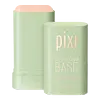
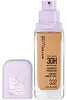
Pixi Beauty On-The-Glow Base Foundation Moisture Stick Versus Maybelline Super Stay Lumi-Matte Foundation


What's inside
What's inside
 Key Ingredients
Benefits
Concerns
Ingredients Side-by-side
Caprylic/Capric Triglyceride
Masking


Diisostearyl Malate
EmollientSynthetic Wax
Abrasive

Polyglyceryl-2 Triisostearate
Emulsifying

Triethylhexanoin
MaskingBoron Nitride
Absorbent
Calcium Sodium Borosilicate
Kaolin
Abrasive

Pentaerythrityl Tetraisostearate
Emollient
Bis-Diglyceryl Polyacyladipate-2
Emollient
Ricinus Communis Seed Oil
Masking

Hydrogenated Castor Oil
Emollient
Phytosteryl/Isostearyl/Cetyl/Stearyl/Behenyl Dimer Dilinoleate
Skin Conditioning
Tocopheryl Acetate
Antioxidant


1,2-Hexanediol
Skin Conditioning
Hippophae Rhamnoides Fruit Oil
Skin Protecting
Tetrahexyldecyl Ascorbate
Antioxidant



Ceramide NP
Skin Conditioning

Sodium Hyaluronate
Humectant
Citrus Limon Fruit Extract
Masking
Fragaria Chiloensis Fruit Extract
Skin Conditioning
Camellia Sinensis Leaf Extract
Antimicrobial
Vitis Vinifera Fruit Extract
Skin ConditioningPyrus Malus Fruit Extract
Skin Conditioning
Vaccinium Angustifolium Fruit Extract
Skin Protecting
Rubus Idaeus Fruit Extract
AstringentAloe Barbadensis Leaf Extract
Emollient
Hamamelis Virginiana Extract
Antiseborrhoeic

Panax Ginseng Root Extract
Emollient
Nonapeptide-1
Skin Conditioning
Sodium Phosphate
BufferingTocopherol
Antioxidant
Phenoxyethanol
Preservative
Zinc Oxide
Cosmetic Colorant

Iron Oxides
Caprylic/Capric Triglyceride, Diisostearyl Malate, Synthetic Wax, Polyglyceryl-2 Triisostearate, Triethylhexanoin, Boron Nitride, Calcium Sodium Borosilicate, Kaolin, Pentaerythrityl Tetraisostearate, Bis-Diglyceryl Polyacyladipate-2, Ricinus Communis Seed Oil, Hydrogenated Castor Oil, Phytosteryl/Isostearyl/Cetyl/Stearyl/Behenyl Dimer Dilinoleate, Tocopheryl Acetate, 1,2-Hexanediol, Hippophae Rhamnoides Fruit Oil, Tetrahexyldecyl Ascorbate, Ceramide NP, Sodium Hyaluronate, Citrus Limon Fruit Extract, Fragaria Chiloensis Fruit Extract, Camellia Sinensis Leaf Extract, Vitis Vinifera Fruit Extract, Pyrus Malus Fruit Extract, Vaccinium Angustifolium Fruit Extract, Rubus Idaeus Fruit Extract, Aloe Barbadensis Leaf Extract, Hamamelis Virginiana Extract, Panax Ginseng Root Extract, Nonapeptide-1, Sodium Phosphate, Tocopherol, Phenoxyethanol, Zinc Oxide, Iron Oxides
Water
Skin ConditioningDimethicone
Emollient
Isododecane
EmollientAlcohol Denat.
Antimicrobial
Trimethylsiloxysilicate
Emollient
Butylene Glycol
Humectant
PEG-10 Dimethicone
Skin Conditioning
Perlite
Absorbent
Synthetic Fluorphlogopite
Nylon-12
Isopropyl Lauroyl Sarcosinate
Skin ConditioningDiisopropyl Sebacate
EmollientHdi/Trimethylol Hexyllactone Crosspolymer
Bis-PEG/PPG-14/14 Dimethicone
Emollient
Disteardimonium Hectorite
StabilisingMagnesium Sulfate
Phenoxyethanol
Preservative
Disodium Stearoyl Glutamate
CleansingSilica Silylate
Emollient
Dipentaerythrityl Tetrahydroxystearate/Tetraisostearate
Skin Conditioning
Proline
Skin Conditioning
Silica
Abrasive
PEG/PPG/Polybutylene Glycol-8/5/3 Glycerin
HumectantTocopherol
Antioxidant
Niacinamide
Smoothing
Glycerin
Humectant
Aluminum Hydroxide
EmollientKaolin
Abrasive
Glutamic Acid
Humectant
Tin Oxide
Abrasive
Pentylene Glycol
Skin Conditioning
Glyceryl Acrylate/Acrylic Acid Copolymer
HumectantCI 77891
Cosmetic ColorantCI 77491
Cosmetic ColorantCI 77492
Cosmetic ColorantCI 77499
Cosmetic ColorantCI 77007
Cosmetic ColorantMica
Cosmetic ColorantCI 77288
Cosmetic ColorantWater, Dimethicone, Isododecane, Alcohol Denat., Trimethylsiloxysilicate, Butylene Glycol, PEG-10 Dimethicone, Perlite, Synthetic Fluorphlogopite, Nylon-12, Isopropyl Lauroyl Sarcosinate, Diisopropyl Sebacate, Hdi/Trimethylol Hexyllactone Crosspolymer, Bis-PEG/PPG-14/14 Dimethicone, Disteardimonium Hectorite, Magnesium Sulfate, Phenoxyethanol, Disodium Stearoyl Glutamate, Silica Silylate, Dipentaerythrityl Tetrahydroxystearate/Tetraisostearate, Proline, Silica, PEG/PPG/Polybutylene Glycol-8/5/3 Glycerin, Tocopherol, Niacinamide, Glycerin, Aluminum Hydroxide, Kaolin, Glutamic Acid, Tin Oxide, Pentylene Glycol, Glyceryl Acrylate/Acrylic Acid Copolymer, CI 77891, CI 77491, CI 77492, CI 77499, CI 77007, Mica, CI 77288
Reviews
Ingredients Explained
These ingredients are found in both products.
Ingredients higher up in an ingredient list are typically present in a larger amount.
Kaolin is a clay. It is used for oil control and to help minimize pores. Like other clays, kaolin has the ability to absorb excess sebum or oil. This can help clean out pores and mattify the skin.
Some types of kaolin may have exfoliating properties. When water is added to kaolin, it becomes a paste with small abrasive particles.
Most kaolin is a white color, but may be pink/orange/red depending on where it comes from.
The name 'kaolin' comes from a Chinese village named 'Gaoling'. Kaolin clay comes from rocks rich in kaolinite. Kaolinite, the mineral, has a silicate layered structure. Kaolinite is formed from chemical weathering of aluminum siilicate minerals.
Besides skincare, kaolin is commonly used to make glossy paper, in ceramics, toothpaste, and as medicine to soothe stomach issues.
Learn more about KaolinPhenoxyethanol is one of the most widely used preservatives in skincare (and for good reason!).
It has a large spectrum of antimicrobial activity and especially effective bacteria, yeast, and mold while only having a weak effect on your skin's natural microbiome.
On a cellular level, it disrupts the cell membranes of microbes by poking holes that make the cell leak. This shuts down the chemical reactions the microbe needs to make energy so it can no longer survive.
Another perk of this ingredient is that it stays functional across a wide pH range (3-10).
You'll often see it paired with boosters like Ethylhexylglycerin; one study showed that a 1:9 ratio of Ethylhexylglycerin to Phenoxyethanol damages bacterial membranes as effectively as doubling the Phenoxyethanol concentration on its own.
Typical use concentrations range from 0.3-1% depending on the formula, and this ingredient is capped at 1% int the EU.
Safety-wise, the fear mongering does not hold up to the evidence. The EU's Scientific Committee on Consumer Safety and FDA consider it safe as a preservative at up to 1%, including for children of all ages.
Adverse systemic effects only showed up in animal studies at exposures roughly 200x higher than what people get from cosmetics. And despite its very widespread use, this ingredient is a rare sensitizer and allergic reactions are uncommon.
Learn more about PhenoxyethanolTocopherol is a fat-soluble antioxidant known as Vitamin E.
You'll find this ingredient in the vast majority of skincare (for good reason). It works to neutralize free radicals, or unstable molecules generated by UV exposure, pollution, and other environmental stressors, before they can cause oxidative damage to your skin cells.
Topically applied tocopherol has been shown to protect against UV damage by ramping up the skin's own natural defense enzymes.
It also acts as a skin conditioning agent; some studies show that regular topical use can improve the skin's water-binding capacity over 2-4 weeks.
This ingredient is especially loved for being a team player. When combined with Vitamin C, the photoprotective effect of both ingredients roughly doubles and the combo also helps reduce UV-induced DNA damage.
This ingredient has some brightening potential but it's more of a prevention ingredient than spot-fader. Cell studies show it can slow down melanin production but it's worth noting that it's not the most powerful brightener out there.
In formulations, it also serves as a stabilizer that helps protect other oxidation-prone ingredients from degrading.
Concentrations usually range from 0.1-1% in most leave-on products.
Learn more about Tocopherol

