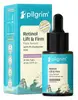
This anti-aging serum is formulated around Hyaluronic Acid and Retinol to soften the look of wrinkles and refine skin texture.
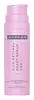
This anti-aging serum is formulated around Retinal and Niacinamide to soften the look of wrinkles and refine skin texture.

What's inside
What's inside
 Key Ingredients
Benefits
Concerns
Ingredients Side-by-side
Allantoin
Skin Conditioning




Betaine
Humectant
Ethylhexylglycerin
Skin ConditioningHeptyl Glucoside
SurfactantHyaluronic Acid
Humectant

Hydroxyethyl Urea
Humectant
Maltodextrin
Absorbent
Olea Europaea Leaf Extract
Perfuming
Panthenol
Skin Conditioning
Parfum
Masking



Phenoxyethanol
Preservative
Punica Granatum Flower Extract
Skin Conditioning
Potassium Sorbate
Preservative
Propanediol
Solvent
Water
Skin ConditioningRetinol
Skin Conditioning






Sodium Ascorbate
Antioxidant

Sodium Ascorbyl Phosphate
Antioxidant
Sodium Benzoate
Masking
Sodium Gluconate
ChelatingSodium Hydroxide
BufferingSodium PCA
Humectant
Tocopherol
Antioxidant
Allantoin, Betaine, Ethylhexylglycerin, Heptyl Glucoside, Hyaluronic Acid, Hydroxyethyl Urea, Maltodextrin, Olea Europaea Leaf Extract, Panthenol, Parfum, Phenoxyethanol, Punica Granatum Flower Extract, Potassium Sorbate, Propanediol, Water, Retinol, Sodium Ascorbate, Sodium Ascorbyl Phosphate, Sodium Benzoate, Sodium Gluconate, Sodium Hydroxide, Sodium PCA, Tocopherol
Water
Skin ConditioningCentella Asiatica Extract
Cleansing
Niacinamide
Smoothing
Aloe Barbadensis Extract
Skin Conditioning
Ethyl Olivate
Emollient
Glycerin
Humectant
Butylene Glycol
Humectant
Caprylic/Capric Triglyceride
Masking
Olive Oil Ethylhexyl Esters

Chamomilla Recutita Flower Extract
Masking
Propanediol
Solvent
Squalane
Emollient
Prunus Amygdalus Dulcis Oil
Skin Conditioning
PEG-100 Stearate
Surfactant
Glyceryl Stearate
Emollient
Retinal
Skin Conditioning
Malus Domestica Fruit Cell Culture Extract
Skin ConditioningTocotrienols
Skin Conditioning
Tocopherol
Antioxidant
Ascorbyl Palmitate
Antioxidant
Panthenol
Skin Conditioning
Arginine
Masking
Avena Sativa Kernel Extract
Abrasive
Sodium Acrylate/Sodium Acryloyldimethyl Taurate Copolymer
Emulsion StabilisingSaccharide Isomerate
Humectant
Allantoin
Skin Conditioning
Hydrogenated Polydecene
EmollientTrideceth-6
EmulsifyingSorbitan Laurate
Emulsifying
Polysorbate 80
Emulsifying
Hyaluronic Acid
Humectant
Pentaerythrityl Tetra-Di-T-Butyl Hydroxyhydrocinnamate
Antioxidant
Sodium Citrate
BufferingSodium Gluconate
ChelatingInulin Lauryl Carbamate
Emulsion StabilisingSucrose Laurate
Emollient
1,2-Hexanediol
Skin Conditioning
Hydroxyacetophenone
Antioxidant
Lecithin
Emollient
Xanthan Gum
EmulsifyingPhenoxyethanol
Preservative
Ethylhexylglycerin
Skin ConditioningWater, Centella Asiatica Extract, Niacinamide, Aloe Barbadensis Extract, Ethyl Olivate, Glycerin, Butylene Glycol, Caprylic/Capric Triglyceride, Olive Oil Ethylhexyl Esters, Chamomilla Recutita Flower Extract, Propanediol, Squalane, Prunus Amygdalus Dulcis Oil, PEG-100 Stearate, Glyceryl Stearate, Retinal, Malus Domestica Fruit Cell Culture Extract, Tocotrienols, Tocopherol, Ascorbyl Palmitate, Panthenol, Arginine, Avena Sativa Kernel Extract, Sodium Acrylate/Sodium Acryloyldimethyl Taurate Copolymer, Saccharide Isomerate, Allantoin, Hydrogenated Polydecene, Trideceth-6, Sorbitan Laurate, Polysorbate 80, Hyaluronic Acid, Pentaerythrityl Tetra-Di-T-Butyl Hydroxyhydrocinnamate, Sodium Citrate, Sodium Gluconate, Inulin Lauryl Carbamate, Sucrose Laurate, 1,2-Hexanediol, Hydroxyacetophenone, Lecithin, Xanthan Gum, Phenoxyethanol, Ethylhexylglycerin
Ingredients Explained
These ingredients are found in both products.
Ingredients higher up in an ingredient list are typically present in a larger amount.
Allantoin is a soothing ingredient known for its protective and moisturizing properties; it's basically a quiet workhorse ingredient you can find in a huge range of cosmetics.
Though it can be derived from the comfrey plant, allantoin is produced synthetically for cosmetic products to ensure purity.
Research shows it can encourage your skin cells to turn over and renew by stimulating keratinocyte and fibroblast proliferation.
It also has mild keratolytic properties to help loosen and shed dead skin cells without being harsh.
Studies also suggest allantoin can help calm inflammation by dialing down some of the chemical signals your skin sends out when it is irritated.
This ingredient is typically used in the 0.1-0.5% range, and the FDA recognizes it as a skin protectant in OTC products up to 2%.
Overall, allantoin is a wonderful addition to most routines; it is stable across a wide pH range (~4-8), works well with other ingredients, and is considered non-sensitizing/non-irritating.
Fun fact: Allantoin is naturally occurring in comfrey root, beets, chamomile, and wheat sprouts. Our bodies even produce it as a byproduct of uric acid metabolism.
Learn more about AllantoinEthylhexylglycerin is created from glycerin. It is a multitasker ingredient that:
The CIR Expert Panel found minimal skin absorption or sensitization of any kind in a safety assessment. Though this ingredient is considered well-tolerated, a small number of cases of allergic dermatitis have been published since 2002. Just be sure to patch test if you are unsure.
Industry-reported use ranges from 8% in rinse-off products and 2% in leave-on formulations.
Learn more about EthylhexylglycerinHyaluronic acid (HA) is a glycosaminoglycan (basically a long sugar chain) that your skin already makes on its own. In your skin, HA lives in the extracellular matrix and acts as the body's moisture reservoir.
Topically, HA is a humectant that binds water and helps skin look more plump, smooth, and hydrated.
The only catch is that HA isn't a single thing; it actually comes in a wide range of molecular weights (~50 - 2,000+ kDA) and size matters.
Some clinical evidence links low molecular weight versions to improved wrinkle depth, elasticity, anti-inflammatory effects, and barrier repair.
This is why the best HA serums blend the two sizes together so you get the best of both worlds.
The majority of cosmetic HA is produced by bacterial fermentation, typically using Streptococcus or Bacillus strains. Typical use levels in skincare sit around 0.1-2%.
A clinical study using a 0.2% low-molecular weight HA gel showed improvement in facial seborrheic dermatitis with excellent tolerance.
These are some other common types of Hyaluronic Acid:
Learn more about Hyaluronic AcidPanthenol is a common ingredient that helps hydrate and soothe the skin. It is found naturally in our skin and hair.
There are two forms of panthenol: D and L.
D-panthenol is also known as dexpanthenol. Most cosmetics use dexpanthenol or a mixture of D and L-panthenol.
Panthenol is famous due to its ability to go deeper into the skin's layers. Using this ingredient has numerous pros (and no cons):
Like hyaluronic acid, panthenol is a humectant. Humectants are able to bind and hold large amounts of water to keep skin hydrated.
This ingredient works well for wound healing. It works by increasing tissue in the wound and helps close open wounds.
Once oxidized, panthenol converts to pantothenic acid. Panthothenic acid is found in all living cells.
This ingredient is also referred to as pro-vitamin B5.
Learn more about PanthenolPhenoxyethanol is one of the most widely used preservatives in skincare (and for good reason!).
It has a large spectrum of antimicrobial activity and especially effective bacteria, yeast, and mold while only having a weak effect on your skin's natural microbiome.
On a cellular level, it disrupts the cell membranes of microbes by poking holes that make the cell leak. This shuts down the chemical reactions the microbe needs to make energy so it can no longer survive.
Another perk of this ingredient is that it stays functional across a wide pH range (3-10).
You'll often see it paired with boosters like Ethylhexylglycerin; one study showed that a 1:9 ratio of Ethylhexylglycerin to Phenoxyethanol damages bacterial membranes as effectively as doubling the Phenoxyethanol concentration on its own.
Typical use concentrations range from 0.3-1% depending on the formula, and this ingredient is capped at 1% int the EU.
Safety-wise, the fear mongering does not hold up to the evidence. The EU's Scientific Committee on Consumer Safety and FDA consider it safe as a preservative at up to 1%, including for children of all ages.
Adverse systemic effects only showed up in animal studies at exposures roughly 200x higher than what people get from cosmetics. And despite its very widespread use, this ingredient is a rare sensitizer and allergic reactions are uncommon.
Learn more about PhenoxyethanolPropanediol is an all-star ingredient. It softens, hydrates, and smooths the skin.
It’s often used to:
Propanediol is not likely to cause sensitivity and considered safe to use. It is derived from corn or petroleum with a clear color and no scent.
Learn more about PropanediolSodium Gluconate is the sodium salt of gluconic acid. In skincare, its main job is as a chelator.
Chelators grab onto stray metal ions like iron and copper that sneak in through water, raw materials, or manufacturing equipment. This stops them from triggering reactions that cause oils to go rancid, formulas to change color, and actives like vitamin C to fall apart.
This ingredient is often chosen as a biodegradable, gentler-sounding alternative to EDTA. It also pulls double duty as a mild humectant and pH buffer.
Typical use levels sit around 0.1-1% and supplier documents list up to 10% as an acceptable ceiling. Industry data found this ingredient family is mostly used well below 1% in leave on products.
Allergy risk is very low; animal testing has found it to be non-irritating to skin and eyes, mutagenicity assays came back negative, and there are no published reports of allergic contact dermatitis to it.
Learn more about Sodium GluconateTocopherol is a fat-soluble antioxidant known as Vitamin E.
You'll find this ingredient in the vast majority of skincare (for good reason). It works to neutralize free radicals, or unstable molecules generated by UV exposure, pollution, and other environmental stressors, before they can cause oxidative damage to your skin cells.
Topically applied tocopherol has been shown to protect against UV damage by ramping up the skin's own natural defense enzymes.
It also acts as a skin conditioning agent; some studies show that regular topical use can improve the skin's water-binding capacity over 2-4 weeks.
This ingredient is especially loved for being a team player. When combined with Vitamin C, the photoprotective effect of both ingredients roughly doubles and the combo also helps reduce UV-induced DNA damage.
This ingredient has some brightening potential but it's more of a prevention ingredient than spot-fader. Cell studies show it can slow down melanin production but it's worth noting that it's not the most powerful brightener out there.
In formulations, it also serves as a stabilizer that helps protect other oxidation-prone ingredients from degrading.
Concentrations usually range from 0.1-1% in most leave-on products.
Learn more about TocopherolWater. It's the most common cosmetic ingredient of all. You'll usually see it at the top of ingredient lists, meaning that it makes up the largest part of the product.
So why is it so popular? Water most often acts as a solvent - this means that it helps dissolve other ingredients into the formulation.
You'll also recognize water as that liquid we all need to stay alive. If you see this, drink a glass of water. Remember to stay hydrated!
Learn more about Water

