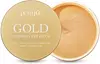
This hydrating eye mask is formulated around Panax Ginseng Root Extract and Camellia Sinensis Leaf Extract to hydrate skin and calm redness.
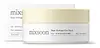
This brightening eye mask is formulated around Niacinamide and Arbutin to brighten dull-looking skin.

What's inside
What's inside
 Key Ingredients
Benefits
Concerns
Ingredients Side-by-side
Water
Skin ConditioningCalcium Chloride
AstringentGlycerin
Humectant


Ceratonia Siliqua Gum
EmollientXanthan Gum
EmulsifyingMethylpropanediol
SolventPanax Ginseng Root Extract
Emollient

Ethyl Hexanediol
SolventCitrus Grandis Seed Extract
Astringent
Bambusa Textilis Stem Extract
Skin ConditioningPinus Palustris Leaf Extract
TonicPEG-60 Hydrogenated Castor Oil
Emulsifying


Scutellaria Baicalensis Root Extract
Astringent
Camellia Sinensis Leaf Extract
Antimicrobial




Houttuynia Cordata Extract
Skin Conditioning
Artemisia Princeps Leaf Extract
Skin ConditioningCitrus Junos Fruit Extract
Skin Conditioning1,2-Hexanediol
Skin Conditioning
Caprylyl Glycol
Emollient
Chondrus Crispus Powder
Abrasive


Swiftlet Nest Extract
Skin ConditioningChlorphenesin
Antimicrobial
Phenoxyethanol
Preservative
Ethylhexylglycerin
Skin ConditioningSynthetic Fluorphlogopite
Titanium Dioxide
Cosmetic Colorant

CI 77491
Cosmetic ColorantAloe Barbadensis Leaf Extract
Emollient
Betaine
Humectant
Rosa Centifolia Flower Water
Skin ConditioningHydrolyzed Collagen
Emollient
Hydroxyethylcellulose
Emulsion StabilisingSodium Hyaluronate
Humectant
Disodium EDTA
ChelatingParfum
Masking

Limonene
Perfuming
Paraffinum Liquidum
Emollient
Gold
Cosmetic ColorantWater, Calcium Chloride, Glycerin, Ceratonia Siliqua Gum, Xanthan Gum, Methylpropanediol, Panax Ginseng Root Extract, Ethyl Hexanediol, Citrus Grandis Seed Extract, Bambusa Textilis Stem Extract, Pinus Palustris Leaf Extract, PEG-60 Hydrogenated Castor Oil, Scutellaria Baicalensis Root Extract, Camellia Sinensis Leaf Extract, Houttuynia Cordata Extract, Artemisia Princeps Leaf Extract, Citrus Junos Fruit Extract, 1,2-Hexanediol, Caprylyl Glycol, Chondrus Crispus Powder, Swiftlet Nest Extract, Chlorphenesin, Phenoxyethanol, Ethylhexylglycerin, Synthetic Fluorphlogopite, Titanium Dioxide, CI 77491, Aloe Barbadensis Leaf Extract, Betaine, Rosa Centifolia Flower Water, Hydrolyzed Collagen, Hydroxyethylcellulose, Sodium Hyaluronate, Disodium EDTA, Parfum, Limonene, Paraffinum Liquidum, Gold
Water
Skin ConditioningGlycerin
Humectant
Niacinamide
Smoothing



Carrageenan
Butylene Glycol
Humectant
1,2-Hexanediol
Skin Conditioning
Potassium Chloride
Hydroxyacetophenone
Antioxidant
Cyamopsis Tetragonoloba Gum
Emulsion StabilisingCellulose Gum
Emulsion StabilisingCeratonia Siliqua Gum
EmollientAllantoin
Skin Conditioning
Propanediol
Solvent
Polyglyceryl-10 Laurate
Skin Conditioning
Arbutin
Antioxidant
3-O-Ethyl Ascorbic Acid
Skin Conditioning
Panthenol
Skin Conditioning
Sucrose
Humectant
Calcium Chloride
AstringentDipotassium Glycyrrhizate
Humectant
Caprylyl Glycol
Emollient
Adenosine
Skin Conditioning
Ethylhexylglycerin
Skin ConditioningDisodium EDTA
ChelatingTocopherol
Antioxidant
Arginine
Masking
Glycine Soja Seed Extract
Skin Conditioning
Melia Azadirachta Flower Extract
Skin ConditioningOcimum Sanctum Leaf Extract
Skin ConditioningLactobacillus/Soybean Ferment Extract
Skin ConditioningLactobacillus/Punica Granatum Fruit Ferment Extract
Antioxidant
Saccharomyces/Barley Seed Ferment Filtrate
HumectantLactobacillus/Pear Juice Ferment Filtrate
Skin ConditioningMelia Azadirachta Leaf Extract
Skin ConditioningCurcuma Longa Root Extract
Antioxidant
Ascorbic Acid
Antioxidant
Hydrolyzed Pea Protein
EmollientCorallina Officinalis Extract
Skin Conditioning
Water, Glycerin, Niacinamide, Carrageenan, Butylene Glycol, 1,2-Hexanediol, Potassium Chloride, Hydroxyacetophenone, Cyamopsis Tetragonoloba Gum, Cellulose Gum, Ceratonia Siliqua Gum, Allantoin, Propanediol, Polyglyceryl-10 Laurate, Arbutin, 3-O-Ethyl Ascorbic Acid, Panthenol, Sucrose, Calcium Chloride, Dipotassium Glycyrrhizate, Caprylyl Glycol, Adenosine, Ethylhexylglycerin, Disodium EDTA, Tocopherol, Arginine, Glycine Soja Seed Extract, Melia Azadirachta Flower Extract, Ocimum Sanctum Leaf Extract, Lactobacillus/Soybean Ferment Extract, Lactobacillus/Punica Granatum Fruit Ferment Extract, Saccharomyces/Barley Seed Ferment Filtrate, Lactobacillus/Pear Juice Ferment Filtrate, Melia Azadirachta Leaf Extract, Curcuma Longa Root Extract, Ascorbic Acid, Hydrolyzed Pea Protein, Corallina Officinalis Extract
Reviews
Ingredients Explained
These ingredients are found in both products.
Ingredients higher up in an ingredient list are typically present in a larger amount.
1,2-Hexanediol is a synthetic liquid and another multi-functional powerhouse.
It is a:
- Humectant, drawing moisture into the skin
- Emollient, helping to soften skin
- Solvent, dispersing and stabilizing formulas
- Preservative booster, enhancing the antimicrobial activity of other preservatives
Calcium chloride is a white, odorless, crystalline solid. It is an astringent and can be used to change the viscosity of products.
This ingredient is highly soluble in water, acetic acid, and ethanol.
There are many forms of this ingredient, including monohydrate, dihydrate, tetrahydrate, and hexahydrate.
Learn more about Calcium ChlorideCaprylyl Glycol is a humectant, skin conditioner, emollient, and preservative booster derived from either caprylic acid or synthetically created.
Typical use levels vary from 0.3-1% as a preservative booster and go up to 2% to condition skin.
Because it is not a free-fatty acid, this ingredient is fungal acne safe (there's nothing for Malassezia to feed on).
Learn more about Caprylyl GlycolCeratonia Siliqua Gum is extracted from the seeds of the carob tree. You might know this ingredient as Carob Gum or Locust Bean Gum. It is used to stabilize other ingredients and improve the texture of products.
Carob gum is made up of long-chain polysaccharides. This makes it a natural thickener.
Yes! This ingredient comes from the seeds of a tree. The name 'Locust Bean Gum' can be misleading.
Learn more about Ceratonia Siliqua GumDisodium EDTA is a chelating agent. It grabs onto and deactivates metal ions that sneak into your products from water, packaging, or air.
This ingredient mainly works behind the scenes and helps with:
On top of that, this ingredient can counteract the effects of hard water by binding to the minerals in it.
One thing worth knowing is that Disodium EDTA has been shown to be a mild penetration enhancer. It can help other ingredients absorb into skin more effectively which can be a double-edged sword (great for actives, but can also make the active too strong if you have sensitive skin).
Clinical patch testing showed no significant skin irritation at typical use concentrations and minimal dermal absorption.
You'll most likely see this ingredient near the end of an ingredient list. It's typically found in concentrations less than 1%.
Learn more about Disodium EDTAEthylhexylglycerin is created from glycerin. It is a multitasker ingredient that:
The CIR Expert Panel found minimal skin absorption or sensitization of any kind in a safety assessment. Though this ingredient is considered well-tolerated, a small number of cases of allergic dermatitis have been published since 2002. Just be sure to patch test if you are unsure.
Industry-reported use ranges from 8% in rinse-off products and 2% in leave-on formulations.
Learn more about EthylhexylglycerinGlycerin (or glycerol) is a compound naturally found in your skin. It's a powerhouse humectant that pulls water into the stratum corneum.
Topically, glycerin does several things at once:
Your skin makes glycerin on its own (mostly from sebaceous oil breakdown) and shuttles it to your outermost layer of skin, or your epidermis, via aquaporin-3.
Aquaporin-3 is a transporter that is essential for normal skin hydration, elasticity, and repair. Interestingly, mice lacking in AQP3 have dry and less elastic skin that can be fully corrected with glycerin.
This ingredient is non-irritating, plays well with almost every ingredient, and works across all skin types. Typical use is anywhere between 3-10% but can go up to 79% in some leave-on products.
Just know very high concentrations (>40%) can feel tacky in low humidity.
Glycerin is the name for this ingredient in American English. British English uses Glycerol/Glycerine.
Learn more about GlycerinWater. It's the most common cosmetic ingredient of all. You'll usually see it at the top of ingredient lists, meaning that it makes up the largest part of the product.
So why is it so popular? Water most often acts as a solvent - this means that it helps dissolve other ingredients into the formulation.
You'll also recognize water as that liquid we all need to stay alive. If you see this, drink a glass of water. Remember to stay hydrated!
Learn more about Water

