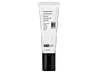
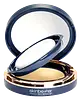
PCA Skin Weightless Protection Broad Spectrum SPF 45 Versus SkinBetter Science Sunbetter Tone Smart SPF 68 Sunscreen Compact
This hybrid sunscreen covers the full UV range and blocks ~98% of UVB at SPF 45.
This sunscreen offers SPF 68 protection with a matte finish that helps control shine.

What's inside
What's inside
 Key Ingredients
Benefits
Concerns
Ingredients Side-by-side
Ethylhexyl Salicylate 4.9%
UV Absorber

Octocrylene 1.9%
UV Absorber

Zinc Oxide 8.4%
Cosmetic Colorant
Avena Sativa Bran Extract
Abrasive
Bisabolol
Antioxidant





Butylene Glycol
Humectant
Butyloctyl Salicylate
Skin Conditioning
Caffeine
Skin Conditioning
Caprylic/Capric Triglyceride
Masking
Caprylyl Methicone
Skin Conditioning
Citrus Aurantium Dulcis Peel Extract
Emulsion Stabilising
Cucumis Melo Cantalupensis Fruit Extract
AstringentCucumis Melo Fruit Extract
Skin ConditioningCucumis Sativus Fruit Extract
Emollient
Cyclopentasiloxane
Emollient
Dimethicone
Emollient
Ectoin
Skin Conditioning
Ethyl Ferulate
Antioxidant
Ethylhexylglycerin
Skin ConditioningHydroxyethyl Acrylate/Sodium Acryloyldimethyl Taurate Copolymer
Emulsion StabilisingMentha Piperita Extract
CleansingMentha Viridis Extract
MaskingOctyldodecyl Neopentanoate
EmollientOleth-3 Phosphate
SurfactantPassiflora Incarnata Fruit Extract
Skin ConditioningPEG-7 Trimethylolpropane Coconut Ether
Emulsifying
Phenoxyethanol
Preservative
Polyisobutene
Propanediol
Solvent
Pyrus Malus Fruit Extract
Skin Conditioning
Rubus Idaeus Fruit Extract
AstringentRose Extract
Skin ConditioningSantalum Album Wood Extract
Perfuming
Silybum Marianum Seed Extract
Skin ConditioningSodium Hyaluronate
Humectant
Sodium Stearoyl Glutamate
CleansingStyrene/Acrylates Copolymer
Tocopheryl Acetate
Antioxidant

Triethoxycaprylylsilane
Undecylcrylene Dimethicone
UV Filter
Water
Skin ConditioningEthylhexyl Salicylate 4.9%, Octocrylene 1.9%, Zinc Oxide 8.4%, Avena Sativa Bran Extract, Bisabolol, Butylene Glycol, Butyloctyl Salicylate, Caffeine, Caprylic/Capric Triglyceride, Caprylyl Methicone, Citrus Aurantium Dulcis Peel Extract, Cucumis Melo Cantalupensis Fruit Extract, Cucumis Melo Fruit Extract, Cucumis Sativus Fruit Extract, Cyclopentasiloxane, Dimethicone, Ectoin, Ethyl Ferulate, Ethylhexylglycerin, Hydroxyethyl Acrylate/Sodium Acryloyldimethyl Taurate Copolymer, Mentha Piperita Extract, Mentha Viridis Extract, Octyldodecyl Neopentanoate, Oleth-3 Phosphate, Passiflora Incarnata Fruit Extract, PEG-7 Trimethylolpropane Coconut Ether, Phenoxyethanol, Polyisobutene, Propanediol, Pyrus Malus Fruit Extract, Rubus Idaeus Fruit Extract, Rose Extract, Santalum Album Wood Extract, Silybum Marianum Seed Extract, Sodium Hyaluronate, Sodium Stearoyl Glutamate, Styrene/Acrylates Copolymer, Tocopheryl Acetate, Triethoxycaprylylsilane, Undecylcrylene Dimethicone, Water
1,2-Hexanediol
Skin Conditioning
Acrylates/Dimethicone Copolymer
Skin Conditioning
Alumina
Abrasive
Bis-Vinyl Dimethicone/Dimethicone Copolymer
Emulsion Stabilising
Bisabolol
Antioxidant
Brassica Campestris Sterols
EmollientButyloctyl Salicylate
Skin Conditioning
Caprylic/Capric Triglyceride
Masking
Caprylyl Glycol
Emollient
Cerium Oxide
Cetylhydroxyproline Palmitamide
Skin ConditioningDimethicone
Emollient
Dimethicone/Vinyl Dimethicone Crosspolymer
Skin Conditioning
Disteardimonium Hectorite
StabilisingEthylhexylglycerin
Skin ConditioningHexyldecanol
Emollient
Himanthalia Elongata Extract
Skin Protecting
Hydrogenated Vegetable Oil
Emollient


Iron Oxides
Laureth-25
CleansingLaureth-3
EmulsifyingMica
Cosmetic ColorantOctyldodecyl Neopentanoate
EmollientOzokerite
Emulsion StabilisingPhenethyl Alcohol
MaskingPhenoxyethanol
Preservative
Phenyl Trimethicone
Skin Conditioning
Plankton Extract
Skin ConditioningPolyethylene
Abrasive
Polyhydroxystearic Acid
Emulsifying
Polymethyl Methacrylate
Prunus Armeniaca Kernel Oil
Masking
Silica
Abrasive
Simethicone
Emollient
Sodium Chloride
MaskingStearic Acid
Cleansing
Tocopherol
Antioxidant
Tocopheryl Acetate
Antioxidant
Tribehenin
Emollient
Triethoxycaprylylsilane
Vinyl Dimethicone/Methicone Silsesquioxane Crosspolymer
Water
Skin ConditioningZingiber Officinale Root Extract
Masking
1,2-Hexanediol, Acrylates/Dimethicone Copolymer, Alumina, Bis-Vinyl Dimethicone/Dimethicone Copolymer, Bisabolol, Brassica Campestris Sterols, Butyloctyl Salicylate, Caprylic/Capric Triglyceride, Caprylyl Glycol, Cerium Oxide, Cetylhydroxyproline Palmitamide, Dimethicone, Dimethicone/Vinyl Dimethicone Crosspolymer, Disteardimonium Hectorite, Ethylhexylglycerin, Hexyldecanol, Himanthalia Elongata Extract, Hydrogenated Vegetable Oil, Iron Oxides, Laureth-25, Laureth-3, Mica, Octyldodecyl Neopentanoate, Ozokerite, Phenethyl Alcohol, Phenoxyethanol, Phenyl Trimethicone, Plankton Extract, Polyethylene, Polyhydroxystearic Acid, Polymethyl Methacrylate, Prunus Armeniaca Kernel Oil, Silica, Simethicone, Sodium Chloride, Stearic Acid, Tocopherol, Tocopheryl Acetate, Tribehenin, Triethoxycaprylylsilane, Vinyl Dimethicone/Methicone Silsesquioxane Crosspolymer, Water, Zingiber Officinale Root Extract
Reviews
Ingredients Explained
These ingredients are found in both products.
Ingredients higher up in an ingredient list are typically present in a larger amount.
Bisabolol is a gentle skin conditioner, antioxidant, and soothing ingredient.
It's primary claim to fame is soothing and research shows topically applied bisabolol can quiet the chemical messengers that cause your skin to become inflamed, helping to sooth any irritation.
A clinical study found that applying 0.5% bisabolol daily for 8 weeks produced an average 9% decrease in skin pigmentation. Researchers found it can also suppress the process that leads to excess melanin production in skin.
In vitro studies found that bisabolol combined with propylene glycol significantly increased skin permeability by increasing lipid fluidity in the stratum corneum.
You'll likely see use concentrations quite low, usually 0.1-0.2%.
Overall, this is a well-tolerated ingredient that works well in formulas designed for sensitive, reactive, or post-procedure skin.
Learn more about BisabololButyloctyl Salicylate is a chemical UV filter structurally similar to octisalate. It is a photostabilizer, SPF booster, emollient and solvent. This ingredient helps evenly spread out ingredients.
According to a manufacturer, it is suitable for pairing with micro Titanium Dioxide, Zinc Oxide, and pigments.
Photostabilizers help stabilize UV-filters and prevents them from degrading quickly.
Learn more about Butyloctyl SalicylateCaprylic/Capric Triglyceride (aka MCT Oil) is a lightweight emollient, solvent, and texture enhancer. It is considered a skin-softener by helping to prevent moisture loss.
Though it behaves like an oil, it is not technically one due to its chemical composition. One perk of this ingredient is that it is very stable, resistant to oxidation, and unlikely to go rancid.
In practice, that translates to a long shelf life and a consistently elegant skin feel.
While there is an assumption Caprylic Triglyceride can clog pores due to it being derived from coconut oil, there is no research supporting this. Just patch test if you have concerns.
Fractionated coconut oil and MCT Oil are both listed as Caprylic/Capric Triglyceride according to INCI. This is because INCI names are based on the ingredient’s final chemical composition and not its marketing name or source.
This ingredient is treated as the gold standard fungal acne safe oil. Even though it is coconut derived, the problematic lauric acid is stripped out.
This leaves just caprylic (C8) and capric (C10) acid. These chain lengths actually trend antifungal; a 2020 study found caprylic acid was enough to disrupt Malassezia furfur cell membrane, with a caprylic acid derivative damaging membrane structures at concentrations as low as 0.2%.
Learn more about Caprylic/Capric TriglycerideDimethicone is a type of synthetic silicone created from natural materials such as quartz. It is also known as polydimethylsiloxane.
What it does:
Dimethicone comes in different viscosities:
Depending on the viscosity, dimethicone has different properties.
Ingredients lists don't always show which type is used, so we recommend reaching out to the brand if you have questions about the viscosity.
This ingredient is unlikely to cause irritation because it does not get absorbed into skin. However, people with silicone allergies should be careful about using this ingredient.
Note: Dimethicone may contribute to pilling. This is because it is not oil or water soluble, so pilling may occur when layered with products. When mixed with heavy oils in a formula, the outcome is also quite greasy.
Learn more about DimethiconeEthylhexylglycerin is created from glycerin. It is a multitasker ingredient that:
The CIR Expert Panel found minimal skin absorption or sensitization of any kind in a safety assessment. Though this ingredient is considered well-tolerated, a small number of cases of allergic dermatitis have been published since 2002. Just be sure to patch test if you are unsure.
Industry-reported use ranges from 8% in rinse-off products and 2% in leave-on formulations.
Learn more about EthylhexylglycerinWe don't have a description for Octyldodecyl Neopentanoate yet.
Phenoxyethanol is one of the most widely used preservatives in skincare (and for good reason!).
It has a large spectrum of antimicrobial activity and especially effective bacteria, yeast, and mold while only having a weak effect on your skin's natural microbiome.
On a cellular level, it disrupts the cell membranes of microbes by poking holes that make the cell leak. This shuts down the chemical reactions the microbe needs to make energy so it can no longer survive.
Another perk of this ingredient is that it stays functional across a wide pH range (3-10).
You'll often see it paired with boosters like Ethylhexylglycerin; one study showed that a 1:9 ratio of Ethylhexylglycerin to Phenoxyethanol damages bacterial membranes as effectively as doubling the Phenoxyethanol concentration on its own.
Typical use concentrations range from 0.3-1% depending on the formula, and this ingredient is capped at 1% int the EU.
Safety-wise, the fear mongering does not hold up to the evidence. The EU's Scientific Committee on Consumer Safety and FDA consider it safe as a preservative at up to 1%, including for children of all ages.
Adverse systemic effects only showed up in animal studies at exposures roughly 200x higher than what people get from cosmetics. And despite its very widespread use, this ingredient is a rare sensitizer and allergic reactions are uncommon.
Learn more about PhenoxyethanolTocopheryl Acetate is a stable, shelf-friendly form of vitamin E.
Formulators love it because plain vitamin E oxidizes quickly once it hits air. This acetate version stays stable and resists going off, helping to extend a product's shelf life.
It's actually inactive on its own and works like a slow-release "storage" form; the enzymes in your skin called esterases gradually convert it into active vitamin E over time.
One in vivo study showed 5% of the acetate in the living layer of the epidermis converted to vitamin E after 5 days of application. This study also found the skin gained protection against UV damage even though the conversion was slow and small.
Once converted, vitamin E acts as a skin's main fat-soluble antioxidant that fights free radicals to protect skin from damage.
Topical vitamin E generally boosts the skin's photoprotection, and it reduced UV-damage in animal models.
This ingredient has some brightening potential but it's more of a prevention ingredient than spot-fader. Cell studies show it can slow down melanin production but it's worth noting that it's not the most powerful brightener out there.
Overall, it has a pretty solid safety profile and has been found to be non-irritating and non-comedogenic. Allergic reactions may happen but stay rare due to how widely the ingredient gets used.
The concentration will vary depending on the formula; industry data shows 0.1% in baby lotions, 3% in lipsticks, and 5% in foot powders. You can also find this ingredient at 100% in a pure vitamin E oil.
Most leave-on skincare keeps it at the lower end, often between 0.5-1%.
Learn more about Tocopheryl AcetateTriethoxycaprylylsilane is a silicon-based surface modifier that makes sunscreens feel silky and makeup stay put.
Its main job is to coat mineral particles like titanium dioxide, zinc oxide, and color pigments in a thin, oily layer so they spread smoothly, don't clump, and stick to skin better.
This ingredient is typically used at low levels (up to 2.5% in eyeshadow and 1% in lipstick).
Learn more about TriethoxycaprylylsilaneWater. It's the most common cosmetic ingredient of all. You'll usually see it at the top of ingredient lists, meaning that it makes up the largest part of the product.
So why is it so popular? Water most often acts as a solvent - this means that it helps dissolve other ingredients into the formulation.
You'll also recognize water as that liquid we all need to stay alive. If you see this, drink a glass of water. Remember to stay hydrated!
Learn more about Water

