Paula's Choice Skin Recovery Super Antioxidant Concentrate Serum with Retinol Versus Beauty of Joseon Revive Eye Serum : Ginseng + Retinal
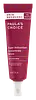
This anti-aging serum is formulated around Tocopherol and Retinol to soften the look of wrinkles and hydrate skin.
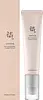
This anti-aging eye moisturizer is formulated around Panax Ginseng Root Extract and Niacinamide to soften the look of wrinkles and refine skin texture.


What's inside
What's inside
 Key Ingredients
Benefits
Concerns
Ingredients Side-by-side
Cyclopentasiloxane
Emollient
Dimethicone
Emollient
C12-15 Alkyl Benzoate
AntimicrobialOlea Europaea Fruit Oil
Masking




Tocopherol
Antioxidant






Retinol
Skin Conditioning





Tetrahexyldecyl Ascorbate
Antioxidant
Bisabolol
Antioxidant
Tocotrienols
Skin Conditioning
Adenosine
Skin Conditioning
Tetrahydrodiferuloylmethane
Antioxidant
Tetrahydrodemethoxydiferuloylmethane
Antioxidant
Tetrahydrobisdemethoxydiferuloylmethane
Antioxidant
Camellia Oleifera Leaf Extract
AstringentVitis Vinifera Seed Oil
Emollient
Chamomilla Recutita Flower Extract
Masking
Arctostaphylos Uva-Ursi Leaf Extract
Skin Conditioning
Stearyl Dimethicone
Emollient
Astaxanthin
Skin Conditioning
Glycine Soja Oil
Emollient


Vitis Vinifera Seed Extract
Antimicrobial
Oenothera Biennis Oil
Emollient
Vaccinium Macrocarpon Seed Oil
Skin Conditioning
Rubus Idaeus Seed Oil
Emollient
Vaccinium Myrtillus Seed Oil
Skin Conditioning
Elaeis Guineensis Oil
Emollient
Sd Alcohol 40
Astringent

Cyclopentasiloxane, Dimethicone, C12-15 Alkyl Benzoate, Olea Europaea Fruit Oil, Tocopherol, Retinol, Tetrahexyldecyl Ascorbate, Bisabolol, Tocotrienols, Adenosine, Tetrahydrodiferuloylmethane, Tetrahydrodemethoxydiferuloylmethane, Tetrahydrobisdemethoxydiferuloylmethane, Camellia Oleifera Leaf Extract, Vitis Vinifera Seed Oil, Chamomilla Recutita Flower Extract, Arctostaphylos Uva-Ursi Leaf Extract, Stearyl Dimethicone, Astaxanthin, Glycine Soja Oil, Vitis Vinifera Seed Extract, Oenothera Biennis Oil, Vaccinium Macrocarpon Seed Oil, Rubus Idaeus Seed Oil, Vaccinium Myrtillus Seed Oil, Elaeis Guineensis Oil, Sd Alcohol 40
Water
Skin ConditioningPanax Ginseng Root Extract
Emollient
Glycerin
Humectant
Dipropylene Glycol
HumectantCaprylic/Capric Triglyceride
Masking
1,2-Hexanediol
Skin Conditioning
Pentaerythrityl Tetraethylhexanoate
Emollient
Niacinamide
Smoothing
Butylene Glycol Dicaprylate/Dicaprate
EmollientCetearyl Alcohol
Emollient
Sorbitan Olivate
Emulsifying
Cetearyl Olivate
Butylene Glycol
Humectant
Hydrogenated Lecithin
Emulsifying
Tromethamine
BufferingCarbomer
Emulsion StabilisingGlyceryl Stearate
Emollient
Macadamia Ternifolia Seed Oil
Emollient
Adenosine
Skin Conditioning
Theobroma Cacao Extract
Skin ConditioningDextrin
AbsorbentCholesterol
Emollient
Polyglyceryl-10 Oleate
Skin Conditioning
Retinal
Skin Conditioning
Brassica Campestris Sterols
EmollientPhytosteryl/Behenyl/Octyldodecyl Lauroyl Glutamate
Skin ConditioningSilica
Abrasive
Sodium Hyaluronate
Humectant
Tocopherol
Antioxidant
Aluminum/Magnesium Hydroxide Stearate
Emulsion StabilisingPotassium Cetyl Phosphate
EmulsifyingPentaerythrityl Tetra-Di-T-Butyl Hydroxyhydrocinnamate
Antioxidant
Ceramide NP
Skin Conditioning
Palmitoyl Tripeptide-5
Skin Conditioning
Disodium EDTA
Ethylhexylglycerin
Skin ConditioningWater, Panax Ginseng Root Extract, Glycerin, Dipropylene Glycol, Caprylic/Capric Triglyceride, 1,2-Hexanediol, Pentaerythrityl Tetraethylhexanoate, Niacinamide, Butylene Glycol Dicaprylate/Dicaprate, Cetearyl Alcohol, Sorbitan Olivate, Cetearyl Olivate, Butylene Glycol, Hydrogenated Lecithin, Tromethamine, Carbomer, Glyceryl Stearate, Macadamia Ternifolia Seed Oil, Adenosine, Theobroma Cacao Extract, Dextrin, Cholesterol, Polyglyceryl-10 Oleate, Retinal, Brassica Campestris Sterols, Phytosteryl/Behenyl/Octyldodecyl Lauroyl Glutamate, Silica, Sodium Hyaluronate, Tocopherol, Aluminum/Magnesium Hydroxide Stearate, Potassium Cetyl Phosphate, Pentaerythrityl Tetra-Di-T-Butyl Hydroxyhydrocinnamate, Ceramide NP, Palmitoyl Tripeptide-5, Disodium EDTA, Ethylhexylglycerin
Reviews
Ingredients Explained
These ingredients are found in both products.
Ingredients higher up in an ingredient list are typically present in a larger amount.
Adenosine is a purine nucleoside that your body already makes in every cell. In skincare, it acts mainly as a skin conditioning and anti-aging agent.
The way it works is fairly well mapped out:
Your skin has cells called fibroblasts that build collagen (the stuff that keeps skin firm and smooth). Adenosine basically flips a switch on these cells that tells them to get to work making more collagen and other proteins. These cells slow down on their own as skin ages, so Adenosine helps give them a little nudge to keep going.
The clinical backing is pretty solid too.
A blind, randomized, placebo-controlled trial of 126 women aged 45-65 tested a 0.1% cream twice daily and found real improvements in crow's feet and frown lines using a precise 3D skin-mapping technique; these changes showed up by week 3 and held at 2 months.
A later study using Adenosine-loaded dissolving microneedle patches reported gains in wrinkle depth, dermal density, elasticity, and hydration.
On concentrations, South Korea's Ministry of Food and Drug Safety has set 0.04% as the approved functional anti-wrinkle level. You'll typically see this ingredient used somewhere in the 0.04-0.1% range since it works at low doses.
This ingredient has been found safe for cosmetics with the data showing no irritation or sensitization.
Overall, this is a great ingredient for any anti-aging routine and has no photosensitizing effect, so it suits both AM and PM use.
Learn more about AdenosineTocopherol is a fat-soluble antioxidant known as Vitamin E.
You'll find this ingredient in the vast majority of skincare (for good reason). It works to neutralize free radicals, or unstable molecules generated by UV exposure, pollution, and other environmental stressors, before they can cause oxidative damage to your skin cells.
Topically applied tocopherol has been shown to protect against UV damage by ramping up the skin's own natural defense enzymes.
It also acts as a skin conditioning agent; some studies show that regular topical use can improve the skin's water-binding capacity over 2-4 weeks.
This ingredient is especially loved for being a team player. When combined with Vitamin C, the photoprotective effect of both ingredients roughly doubles and the combo also helps reduce UV-induced DNA damage.
This ingredient has some brightening potential but it's more of a prevention ingredient than spot-fader. Cell studies show it can slow down melanin production but it's worth noting that it's not the most powerful brightener out there.
In formulations, it also serves as a stabilizer that helps protect other oxidation-prone ingredients from degrading.
Concentrations usually range from 0.1-1% in most leave-on products.
Learn more about Tocopherol

