Paula's Choice Resist Super Antioxidant Serum Versus Environ Skin Care Skin Essentia AVST Moisturiser 1
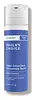
This anti-aging serum is formulated around Tetrahexyldecyl Ascorbate and Palmitoyl Tripeptide-5 to soften the look of wrinkles and brighten dull-looking skin.
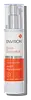
This barrier-repair moisturizer is formulated around Panthenol and Ascorbyl Tetraisopalmitate to strengthen the skin barrier.


What's inside
What's inside
 Key Ingredients
Benefits
Concerns
Ingredients Side-by-side
Cyclopentasiloxane
Emollient
Dimethicone
Emollient
Tetrahexyldecyl Ascorbate
Antioxidant





Palmitoyl Tripeptide-5
Skin Conditioning

Ceramide NP
Skin Conditioning



Tocotrienols
Skin Conditioning
Tocopherol
Antioxidant
Ubiquinone
Antioxidant
Thioctic Acid
Antioxidant
Tocopheryl Acetate
Antioxidant
Magnesium Ascorbyl Phosphate
Antioxidant
Ferulic Acid
Antimicrobial
Beta-Glucan
Skin Conditioning
Superoxide Dismutase
Antioxidant
Epigallocatechin Gallate
Antioxidant
Ergothioneine
Antioxidant
Glutathione
Xanthophylls
Skin ConditioningGlycine Soja Seed Extract
Skin Conditioning
Glycerin
Humectant
Arctostaphylos Uva Ursi Leaf Extract
Skin Conditioning
Lupinus Albus Seed Extract
Skin ConditioningCurcuma Longa Root
Skin ConditioningElaeis Guineensis Oil
Emollient




Phenoxyethanol
Preservative
Cyclopentasiloxane, Dimethicone, Tetrahexyldecyl Ascorbate, Palmitoyl Tripeptide-5, Ceramide NP, Tocotrienols, Tocopherol, Ubiquinone, Thioctic Acid, Tocopheryl Acetate, Magnesium Ascorbyl Phosphate, Ferulic Acid, Beta-Glucan, Superoxide Dismutase, Epigallocatechin Gallate, Ergothioneine, Glutathione, Xanthophylls, Glycine Soja Seed Extract, Glycerin, Arctostaphylos Uva Ursi Leaf Extract, Lupinus Albus Seed Extract, Curcuma Longa Root, Elaeis Guineensis Oil, Phenoxyethanol
Water
Skin ConditioningHydrogenated Polydecene
EmollientSorbitol
Humectant
Tocopheryl Acetate
Antioxidant
Glyceryl Stearate
Emollient
PEG-100 Stearate
Surfactant
Cetearyl Alcohol
Emollient


Caprylic/Capric Triglyceride
Masking
Ethoxydiglycol
HumectantDimethicone
Emollient
Panthenol
Skin Conditioning
Sorbitan Stearate
Emulsifying
Polysorbate 60
Emulsifying
Ascorbyl Tetraisopalmitate
Antioxidant
Ascorbic Acid
Antioxidant
Rosmarinus Officinalis Leaf Extract
AntimicrobialEpigallocatechin Gallate
Antioxidant
Retinyl Palmitate
Skin Conditioning
Tocopherol
Antioxidant
Aspalathus Linearis Leaf Extract
Skin ConditioningCyclopia Genistoides Leaf Extract
Antioxidant
Polygonum Cuspidatum Extract
Skin ConditioningBeta-Carotene
Skin ConditioningAscorbyl Palmitate
Antioxidant
Glycerin
Humectant
Polyglyceryl-10 Laurate
Skin Conditioning
Helianthus Annuus Seed Oil
Emollient
Sodium Hydroxide
BufferingXanthan Gum
EmulsifyingMaltodextrin
Absorbent
Gelatin
Sucrose
Humectant
Zea Mays Oil
Emulsifying
Zea Mays Starch
Absorbent
Disodium EDTA
ChelatingMethylparaben
Preservative

Propylparaben
Preservative
Water, Hydrogenated Polydecene, Sorbitol, Tocopheryl Acetate, Glyceryl Stearate, PEG-100 Stearate, Cetearyl Alcohol, Caprylic/Capric Triglyceride, Ethoxydiglycol, Dimethicone, Panthenol, Sorbitan Stearate, Polysorbate 60, Ascorbyl Tetraisopalmitate, Ascorbic Acid, Rosmarinus Officinalis Leaf Extract, Epigallocatechin Gallate, Retinyl Palmitate, Tocopherol, Aspalathus Linearis Leaf Extract, Cyclopia Genistoides Leaf Extract, Polygonum Cuspidatum Extract, Beta-Carotene, Ascorbyl Palmitate, Glycerin, Polyglyceryl-10 Laurate, Helianthus Annuus Seed Oil, Sodium Hydroxide, Xanthan Gum, Maltodextrin, Gelatin, Sucrose, Zea Mays Oil, Zea Mays Starch, Disodium EDTA, Methylparaben, Propylparaben
Reviews
Ingredients Explained
These ingredients are found in both products.
Ingredients higher up in an ingredient list are typically present in a larger amount.
Dimethicone is a type of synthetic silicone created from natural materials such as quartz. It is also known as polydimethylsiloxane.
What it does:
Dimethicone comes in different viscosities:
Depending on the viscosity, dimethicone has different properties.
Ingredients lists don't always show which type is used, so we recommend reaching out to the brand if you have questions about the viscosity.
This ingredient is unlikely to cause irritation because it does not get absorbed into skin. However, people with silicone allergies should be careful about using this ingredient.
Note: Dimethicone may contribute to pilling. This is because it is not oil or water soluble, so pilling may occur when layered with products. When mixed with heavy oils in a formula, the outcome is also quite greasy.
Learn more about DimethiconeEpigallocatechin Gallate (EGCG) is the most abundant catechin in green tea. It is a heavyweight antioxidant in the green tea family.
In skincare, it helps protect skin from photoaging damage by scavenging UV-induced reactive oxygen species and tampering down inflammatory pathways.
UV-exposed skin cells treated with EGCG showed less of the enzyme that chews up collagen, lower inflammatory signaling, and better preserved barrier function.
EGCG nudges skin cells to make more of your skin's built in moisturizing molecules, filaggrin and hyaluronic acid, for better skin hydration.
Because it inhibits melanogenesis, it also provides a mild brightening effect.
Clinically, topical EGCG has helped calm radiation-related skin irritation and scalp seborrheic dermatitis with no major side effects.
In an 8-week split-face study, topical EGCG at 1% and 5% significantly reduced inflammatory and non-inflammatory acne.
A study from 2023 on patients with Seborrhea (a chronic skin condition caused by overactive sebaceous glands) found that using a 5% EGCG cream (alone and combined with 2% L-carnitine) and found meaningful sebum reduction plus better hydration.
Just one caveat here: Most clinical trials used 1-5% concentrations and most cosmetics contain only 0.1-1%.
The only headache related to this ingredient is stability. EGCG degrades quickly with heat, light, oxygen, and higher pH.
That's why you'll usually see it in low-pH formulas (4.5-6.5) or paired with vitamin C + vitamin E to slow its degradation. Hyaluronic acid also stabilizes it and boosts its antioxidant activity.
Learn more about Epigallocatechin GallateGlycerin (or glycerol) is a compound naturally found in your skin. It's a powerhouse humectant that pulls water into the stratum corneum.
Topically, glycerin does several things at once:
Your skin makes glycerin on its own (mostly from sebaceous oil breakdown) and shuttles it to your outermost layer of skin, or your epidermis, via aquaporin-3.
Aquaporin-3 is a transporter that is essential for normal skin hydration, elasticity, and repair. Interestingly, mice lacking in AQP3 have dry and less elastic skin that can be fully corrected with glycerin.
This ingredient is non-irritating, plays well with almost every ingredient, and works across all skin types. Typical use is anywhere between 3-10% but can go up to 79% in some leave-on products.
Just know very high concentrations (>40%) can feel tacky in low humidity.
Glycerin is the name for this ingredient in American English. British English uses Glycerol/Glycerine.
Learn more about GlycerinTocopherol is a fat-soluble antioxidant known as Vitamin E.
You'll find this ingredient in the vast majority of skincare (for good reason). It works to neutralize free radicals, or unstable molecules generated by UV exposure, pollution, and other environmental stressors, before they can cause oxidative damage to your skin cells.
Topically applied tocopherol has been shown to protect against UV damage by ramping up the skin's own natural defense enzymes.
It also acts as a skin conditioning agent; some studies show that regular topical use can improve the skin's water-binding capacity over 2-4 weeks.
This ingredient is especially loved for being a team player. When combined with Vitamin C, the photoprotective effect of both ingredients roughly doubles and the combo also helps reduce UV-induced DNA damage.
This ingredient has some brightening potential but it's more of a prevention ingredient than spot-fader. Cell studies show it can slow down melanin production but it's worth noting that it's not the most powerful brightener out there.
In formulations, it also serves as a stabilizer that helps protect other oxidation-prone ingredients from degrading.
Concentrations usually range from 0.1-1% in most leave-on products.
Learn more about TocopherolTocopheryl Acetate is a stable, shelf-friendly form of vitamin E.
Formulators love it because plain vitamin E oxidizes quickly once it hits air. This acetate version stays stable and resists going off, helping to extend a product's shelf life.
It's actually inactive on its own and works like a slow-release "storage" form; the enzymes in your skin called esterases gradually convert it into active vitamin E over time.
One in vivo study showed 5% of the acetate in the living layer of the epidermis converted to vitamin E after 5 days of application. This study also found the skin gained protection against UV damage even though the conversion was slow and small.
Once converted, vitamin E acts as a skin's main fat-soluble antioxidant that fights free radicals to protect skin from damage.
Topical vitamin E generally boosts the skin's photoprotection, and it reduced UV-damage in animal models.
This ingredient has some brightening potential but it's more of a prevention ingredient than spot-fader. Cell studies show it can slow down melanin production but it's worth noting that it's not the most powerful brightener out there.
Overall, it has a pretty solid safety profile and has been found to be non-irritating and non-comedogenic. Allergic reactions may happen but stay rare due to how widely the ingredient gets used.
The concentration will vary depending on the formula; industry data shows 0.1% in baby lotions, 3% in lipsticks, and 5% in foot powders. You can also find this ingredient at 100% in a pure vitamin E oil.
Most leave-on skincare keeps it at the lower end, often between 0.5-1%.
Learn more about Tocopheryl Acetate

