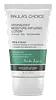
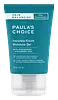
Paula's Choice Hydralight Moisture Infusing Lotion Versus Paula's Choice Skin Balancing Invisible Finish Moisture Gel
This barrier-repair moisturizer is formulated around Squalane and Avena Sativa Kernel Extract to strengthen the skin barrier and hydrate skin.
This pore-care moisturizer is formulated around Niacinamide and Avena Sativa Kernel Extract to refine the look of pores and calm redness.

What's inside
What's inside
 Key Ingredients
Benefits
Concerns
Ingredients Side-by-side
Water
Skin ConditioningNeopentyl Glycol Diheptanoate
EmollientCyclopentasiloxane
Emollient
Butylene Glycol
Humectant

Dimethicone
Emollient
Bis-Diglyceryl Polyacyladipate-2
Emollient

Propylene Glycol Isoceteth-3 Acetate
Skin ConditioningSqualane
Emollient
Glyceryl Stearate
Emollient
PEG-100 Stearate
Surfactant
Potassium Cetyl Phosphate
EmulsifyingCetyl Alcohol
Emollient

Magnesium Aluminum Silicate
Absorbent
Tocopheryl Acetate
Antioxidant


Cholesterol
Emollient
Avena Sativa Kernel Extract
Abrasive


Camellia Sinensis Leaf Extract
Antimicrobial
Punica Granatum Extract
AstringentVaccinium Macrocarpon Fruit Extract
AstringentSodium Hyaluronate
Humectant
Glycerin
Humectant
Superoxide Dismutase
Antioxidant
Tetrahexyldecyl Ascorbate
Antioxidant

Sodium PCA
Humectant
Phytosphingosine
Skin Conditioning
Caprylic/Capric Triglyceride
Masking
Dimethicone Crosspolymer
Emulsion Stabilising
Cucumis Sativus Fruit Extract
Emollient
Xanthan Gum
EmulsifyingLaureth-4
Emulsifying

Laureth-23
Cleansing
Sodium Hydroxide
BufferingPhenoxyethanol
Preservative
Chlorphenesin
Antimicrobial
Benzoic Acid
Masking
Sorbic Acid
Preservative
Water, Neopentyl Glycol Diheptanoate, Cyclopentasiloxane, Butylene Glycol, Dimethicone, Bis-Diglyceryl Polyacyladipate-2, Propylene Glycol Isoceteth-3 Acetate, Squalane, Glyceryl Stearate, PEG-100 Stearate, Potassium Cetyl Phosphate, Cetyl Alcohol, Magnesium Aluminum Silicate, Tocopheryl Acetate, Cholesterol, Avena Sativa Kernel Extract, Camellia Sinensis Leaf Extract, Punica Granatum Extract, Vaccinium Macrocarpon Fruit Extract, Sodium Hyaluronate, Glycerin, Superoxide Dismutase, Tetrahexyldecyl Ascorbate, Sodium PCA, Phytosphingosine, Caprylic/Capric Triglyceride, Dimethicone Crosspolymer, Cucumis Sativus Fruit Extract, Xanthan Gum, Laureth-4, Laureth-23, Sodium Hydroxide, Phenoxyethanol, Chlorphenesin, Benzoic Acid, Sorbic Acid
Water
Skin ConditioningCyclopentasiloxane
Emollient
Butylene Glycol
Humectant
Glycerin
Humectant
Bis-Phenylpropyl Dimethicone
Niacinamide
Smoothing


Laminaria Saccharina Extract
Skin Protecting
Avena Sativa Kernel Extract
Abrasive
Camellia Oleifera Leaf Extract
AstringentVitis Vinifera Seed Extract
Antimicrobial
Triticum Vulgare Germ Oil
Emollient

Tocopheryl Acetate
Antioxidant
Phenyl Trimethicone
Skin Conditioning
Dimethicone
Emollient
Dipotassium Glycyrrhizate
Humectant
Tetrahexyldecyl Ascorbate
Antioxidant
Sodium Hyaluronate
Humectant
Phospholipids
Skin Conditioning
Superoxide Dismutase
Antioxidant
Isohexadecane
EmollientPanthenol
Skin Conditioning
Sodium Acrylate/Sodium Acryloyldimethyl Taurate Copolymer
Emulsion StabilisingSodium Carbomer
Emulsion StabilisingDimethicone/Vinyl Dimethicone Crosspolymer
Skin Conditioning
Polysorbate 80
Emulsifying
Hydroxyethylcellulose
Emulsion StabilisingEthylhexylglycerin
Skin ConditioningPhenoxyethanol
Preservative
Water, Cyclopentasiloxane, Butylene Glycol, Glycerin, Bis-Phenylpropyl Dimethicone, Niacinamide, Laminaria Saccharina Extract, Avena Sativa Kernel Extract, Camellia Oleifera Leaf Extract, Vitis Vinifera Seed Extract, Triticum Vulgare Germ Oil, Tocopheryl Acetate, Phenyl Trimethicone, Dimethicone, Dipotassium Glycyrrhizate, Tetrahexyldecyl Ascorbate, Sodium Hyaluronate, Phospholipids, Superoxide Dismutase, Isohexadecane, Panthenol, Sodium Acrylate/Sodium Acryloyldimethyl Taurate Copolymer, Sodium Carbomer, Dimethicone/Vinyl Dimethicone Crosspolymer, Polysorbate 80, Hydroxyethylcellulose, Ethylhexylglycerin, Phenoxyethanol
Ingredients Explained
These ingredients are found in both products.
Ingredients higher up in an ingredient list are typically present in a larger amount.
Avena Sativa Kernel Extract is is derived from colloidal oatmeal. Besides being a healthy breakfast, oats have many benefits in skincare too.
This ingredient helps sooth, hydrate, and protect the skin. The starches in colloidal oatmeal are able to bind water, keeping the skin hydrated.
The cellulose and fiber in colloidal oatmeal help reduce inflammation. This can also help the skin feel softer.
Colloidal Oatmeal is also an antioxidant. Antioxidants protect our skin from free-radical damage.
Oatmeal also contains beneficial compounds:
This ingredient is created by mixing grounded oatmeal and a liquid base.
Learn more about Avena Sativa Kernel ExtractButylene Glycol (or BG) is used within cosmetic products for a few different reasons:
Overall, Butylene Glycol is a safe and well-rounded ingredient that works well with other ingredients.
Though this ingredient works well with most skin types, some people with sensitive skin may experience a reaction such as allergic rashes, closed comedones, or itchiness.
Learn more about Butylene GlycolCyclopentasiloxane (D5) is a lightweight silicone that mostly acts as an emollient and solvent in cosmetics. Its the reason your products feel silky, fast-spreading, and non-greasy.
Since D5 is volatile, it does its thing and then evaporates off the skin quickly.
The safety profile of this ingredient is reassuring; the US CIR Expert Panel concluded D5 is safe as used in cosmetics and Health Canada concluded that D5 is not harmful to human health or the environment as currently used in cosmetics
There's a study that people mention about D5 in a rat study showing tumors. This study is related to long-term inhalation of high D5 levels.
Regulatory bodies have judged this study to be not applicable in topical skincare since skin absorption of D5 is very low and we're not really inhaling huge amounts of D5.
The only restriction for this ingredient is environmental. The European Chemicals Agency (ECHA) restricted D5 in wash-off cosmetics at or above 0.1% due to their persistence in water.
Learn more about CyclopentasiloxaneDimethicone is a type of synthetic silicone created from natural materials such as quartz. It is also known as polydimethylsiloxane.
What it does:
Dimethicone comes in different viscosities:
Depending on the viscosity, dimethicone has different properties.
Ingredients lists don't always show which type is used, so we recommend reaching out to the brand if you have questions about the viscosity.
This ingredient is unlikely to cause irritation because it does not get absorbed into skin. However, people with silicone allergies should be careful about using this ingredient.
Note: Dimethicone may contribute to pilling. This is because it is not oil or water soluble, so pilling may occur when layered with products. When mixed with heavy oils in a formula, the outcome is also quite greasy.
Learn more about DimethiconeGlycerin (or glycerol) is a compound naturally found in your skin. It's a powerhouse humectant that pulls water into the stratum corneum.
Topically, glycerin does several things at once:
Your skin makes glycerin on its own (mostly from sebaceous oil breakdown) and shuttles it to your outermost layer of skin, or your epidermis, via aquaporin-3.
Aquaporin-3 is a transporter that is essential for normal skin hydration, elasticity, and repair. Interestingly, mice lacking in AQP3 have dry and less elastic skin that can be fully corrected with glycerin.
This ingredient is non-irritating, plays well with almost every ingredient, and works across all skin types. Typical use is anywhere between 3-10% but can go up to 79% in some leave-on products.
Just know very high concentrations (>40%) can feel tacky in low humidity.
Glycerin is the name for this ingredient in American English. British English uses Glycerol/Glycerine.
Learn more about GlycerinPhenoxyethanol is one of the most widely used preservatives in skincare (and for good reason!).
It has a large spectrum of antimicrobial activity and especially effective bacteria, yeast, and mold while only having a weak effect on your skin's natural microbiome.
On a cellular level, it disrupts the cell membranes of microbes by poking holes that make the cell leak. This shuts down the chemical reactions the microbe needs to make energy so it can no longer survive.
Another perk of this ingredient is that it stays functional across a wide pH range (3-10).
You'll often see it paired with boosters like Ethylhexylglycerin; one study showed that a 1:9 ratio of Ethylhexylglycerin to Phenoxyethanol damages bacterial membranes as effectively as doubling the Phenoxyethanol concentration on its own.
Typical use concentrations range from 0.3-1% depending on the formula, and this ingredient is capped at 1% int the EU.
Safety-wise, the fear mongering does not hold up to the evidence. The EU's Scientific Committee on Consumer Safety and FDA consider it safe as a preservative at up to 1%, including for children of all ages.
Adverse systemic effects only showed up in animal studies at exposures roughly 200x higher than what people get from cosmetics. And despite its very widespread use, this ingredient is a rare sensitizer and allergic reactions are uncommon.
Learn more about PhenoxyethanolSodium Hyaluronate is the salt form of hyaluronic acid. It is a long sugar chain that is naturally found in your skin, joints, and connective tissue that maintains hydration and elasticity.
In skincare, it works as a humectant. It pulls water from the environment and deeper layers of skin and binds it to the surface.
Interestingly, the size of the molecule affects its behavior:
Some clinical evidence links low molecular weight versions to improved wrinkle depth, elasticity, anti-inflammatory effects, and barrier repair.
Many serums use a blend of both weights so you can get surface hydration plus longer-lasting and deeper effects.
You'll typically see concentrations between 0.1-2% for this ingredient.
Learn more about Sodium HyaluronateSuperoxide Dismutase is found in all living cells. This ingredient is AKA as 'SOD'.
SOD is a strong antioxidant. It protects living cells against oxidative damage by breaking down radical molecules into regular oxygen and hydrogen peroxide.
Antioxidants help fight free-radical molecules that may damage your skin's DNA. This may help with the signs of aging. Due to its antioxidant property, it is used to help treat chronic inflammation.
In cosmetics, SOD is usually obtained from marine phytoplankton, bovine liver, horseradish, cantaloupe, and certain bacteria.
The three major families of SOD include: Copper/Zinc, Iron/Manganese, and Nickel.
When eating SOD-rich foods, our bodies break it down into amino acids before absorption. Foods that contain SOD include: melons, citrus, spinach, broccoli, kale, almonds, sunflower seeds, and blue-green algae.
Learn more about Superoxide DismutaseTetrahexyldecyl Ascorbate (THD) is a stable and oil-soluble form of Vitamin C.
THD is special in that it has the ability to travel deeper into skin than traditional ascorbic acid while maintaining the same skin benefits (double win!).
Because it’s oil-soluble, THD dives deep into your skin’s fatty layers (think ceramides and cholesterol) to fight off the kind of free radicals that mess with your skin barrier. This makes it a great pair with water-based vitamin C (ascorbic acid) that mainly works on the surface.
Even at just 0.1%, THD is already showing great antioxidant activity. When used up to 2%, it helps keep your skin happy and calm, especially when it’s stressed from pollution or sun.
Want to fade dark spots or tackle hyperpigmentation? You’ll want 5% or more. Pairing it with brightening buddies like niacinamide or licorice root gives even better results. One study even used 30% THD with other brighteners and saw real results on stubborn discoloration, even in melasma-prone skin.
A note on THD: It’s has a slightly silky, oily texture and usually shows up colorless or pale yellow (though the exact shade can vary by supplier).
While you can sneak it into water-based formulas, it really shines when paired with silicones or oils, which help your skin soak it up better.
THD is pretty stable, but it’s still vulnerable to degradation like ascorbic acid. Too much light or heat (above 113°F / 45°C) can break it down over time. Go for dark and opaque packaging that keeps it safe and shady!
Read more about other types of Vitamin C:
Learn more about Tetrahexyldecyl AscorbateTocopheryl Acetate is a stable, shelf-friendly form of vitamin E.
Formulators love it because plain vitamin E oxidizes quickly once it hits air. This acetate version stays stable and resists going off, helping to extend a product's shelf life.
It's actually inactive on its own and works like a slow-release "storage" form; the enzymes in your skin called esterases gradually convert it into active vitamin E over time.
One in vivo study showed 5% of the acetate in the living layer of the epidermis converted to vitamin E after 5 days of application. This study also found the skin gained protection against UV damage even though the conversion was slow and small.
Once converted, vitamin E acts as a skin's main fat-soluble antioxidant that fights free radicals to protect skin from damage.
Topical vitamin E generally boosts the skin's photoprotection, and it reduced UV-damage in animal models.
This ingredient has some brightening potential but it's more of a prevention ingredient than spot-fader. Cell studies show it can slow down melanin production but it's worth noting that it's not the most powerful brightener out there.
Overall, it has a pretty solid safety profile and has been found to be non-irritating and non-comedogenic. Allergic reactions may happen but stay rare due to how widely the ingredient gets used.
The concentration will vary depending on the formula; industry data shows 0.1% in baby lotions, 3% in lipsticks, and 5% in foot powders. You can also find this ingredient at 100% in a pure vitamin E oil.
Most leave-on skincare keeps it at the lower end, often between 0.5-1%.
Learn more about Tocopheryl AcetateWater. It's the most common cosmetic ingredient of all. You'll usually see it at the top of ingredient lists, meaning that it makes up the largest part of the product.
So why is it so popular? Water most often acts as a solvent - this means that it helps dissolve other ingredients into the formulation.
You'll also recognize water as that liquid we all need to stay alive. If you see this, drink a glass of water. Remember to stay hydrated!
Learn more about Water

