Paula's Choice Earth Sourced Power Berry Serum Versus iNNBEAUTY PROJECT Green Machine Skin Transforming Oil Jelly Serum
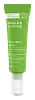
This calming serum is formulated around Glycyrrhiza Glabra Root Extract and Tetrahexyldecyl Ascorbate to calm redness and brighten dull-looking skin.
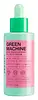
This brightening serum is formulated around Tranexamic Acid and Niacinamide to fade the look of dark spots and calm redness.

What's inside
What's inside
 Key Ingredients
Benefits
Concerns
Ingredients Side-by-side
Water
Skin ConditioningGlycerin
Humectant


Coco-Caprylate
Emollient
Butylene Glycol
Humectant
Propanediol
Solvent
Glyceryl Stearate
Emollient

Emblica Officinalis Fruit Extract
Skin ConditioningEuterpe Oleracea Fruit Extract

Vaccinium Macrocarpon Fruit Extract
AstringentVaccinium Myrtillus Fruit Extract
Skin ConditioningRubus Idaeus Fruit Extract
AstringentSambucus Nigra Fruit Extract
AstringentMalpighia Emarginata Fruit Extract
Skin ConditioningHippophae Rhamnoides Fruit Extract
Skin Conditioning
Schisandra Chinensis Fruit Extract
Skin Conditioning
Rubus Chamaemorus Fruit Extract
Antioxidant
Lycium Barbarum Fruit Extract
Astringent
Plinia Cauliflora Fruit Extract
Skin ConditioningFragaria Vesca Fruit Extract
AstringentMelia Azadirachta Flower Extract
Skin ConditioningMelia Azadirachta Leaf Extract
Skin ConditioningMyrciaria Dubia Fruit Extract
Skin ConditioningVitis Vinifera Seed Extract
Antimicrobial
Glycyrrhiza Glabra Root Extract
Bleaching

Squalane
Emollient
Tetrahexyldecyl Ascorbate
Antioxidant


Tocopherol
Antioxidant
Acetyl Tetrapeptide-9
Skin Conditioning
Acetyl Tetrapeptide-11
Skin Conditioning
Prunus Domestica Seed Oil
Skin Conditioning
Sesamum Indicum Seed Oil
Emollient

Leuconostoc/Radish Root Ferment Filtrate
Antimicrobial
Corallina Officinalis Extract
Skin Conditioning
Coccinia Indica Fruit Extract
Skin Conditioning
Brassica Campestris Seed Oil
Skin Conditioning
Xanthan Gum
EmulsifyingMannitol
Humectant
Potassium Sorbate
Preservative
Sodium Benzoate
Masking
Phenoxyethanol
Preservative
Ethylhexylglycerin
Skin ConditioningWater, Glycerin, Coco-Caprylate, Butylene Glycol, Propanediol, Glyceryl Stearate, Emblica Officinalis Fruit Extract, Euterpe Oleracea Fruit Extract, Vaccinium Macrocarpon Fruit Extract, Vaccinium Myrtillus Fruit Extract, Rubus Idaeus Fruit Extract, Sambucus Nigra Fruit Extract, Malpighia Emarginata Fruit Extract, Hippophae Rhamnoides Fruit Extract, Schisandra Chinensis Fruit Extract, Rubus Chamaemorus Fruit Extract, Lycium Barbarum Fruit Extract, Plinia Cauliflora Fruit Extract, Fragaria Vesca Fruit Extract, Melia Azadirachta Flower Extract, Melia Azadirachta Leaf Extract, Myrciaria Dubia Fruit Extract, Vitis Vinifera Seed Extract, Glycyrrhiza Glabra Root Extract, Squalane, Tetrahexyldecyl Ascorbate, Tocopherol, Acetyl Tetrapeptide-9, Acetyl Tetrapeptide-11, Prunus Domestica Seed Oil, Sesamum Indicum Seed Oil, Leuconostoc/Radish Root Ferment Filtrate, Corallina Officinalis Extract, Coccinia Indica Fruit Extract, Brassica Campestris Seed Oil, Xanthan Gum, Mannitol, Potassium Sorbate, Sodium Benzoate, Phenoxyethanol, Ethylhexylglycerin
Aloe Barbadensis Leaf Juice
Skin Conditioning
Glycerin
Humectant
Water
Skin ConditioningHelianthus Annuus Seed Oil
Emollient
Tranexamic Acid
Astringent
Isosorbide Dicaprylate
Skin ConditioningNiacinamide
Smoothing


Cannabis Sativa Seed Oil
Emollient
Chenopodium Quinoa Seed Oil
Emollient
Tetrahexyldecyl Ascorbate
Antioxidant
Xanthan Gum
EmulsifyingKojic Acid
Antioxidant
Lactic Acid
Buffering

Alpha-Arbutin
Antioxidant
Arthrospira Platensis Extract
Antioxidant
Persea Gratissima Oil
Skin Conditioning
Crithmum Maritimum Callus Culture Filtrate
Skin ProtectingPunica Granatum Seed Extract
Skin ConditioningCollagen Amino Acids
Moisturising
Potassium Azeloyl Diglycinate
Skin Conditioning
Brassica Oleracea Acephala Leaf Extract
HumectantSpinacia Oleracea Leaf Extract
Skin ConditioningMoringa Oleifera Seed Oil
Emollient
Sodium Hyaluronate
Humectant
Melia Azadirachta Leaf Extract
Skin ConditioningMelia Azadirachta Flower Extract
Skin ConditioningOcimum Sanctum Leaf Extract
Skin ConditioningCucumis Sativus Fruit Extract
Emollient
Origanum Vulgare Oil
Masking
Thymus Vulgaris Oil
Masking

Curcuma Longa Leaf Extract
Skin ConditioningPinus Pinaster Bark Extract
Antioxidant
Boerhavia Diffusa Root Extract
Skin Protecting
Solanum Melongena Fruit Extract
Skin ConditioningCorallina Officinalis Extract
Skin Conditioning
Chondrus Crispus Extract
Skin Conditioning
Coccinia Indica Fruit Extract
Skin Conditioning
Citric Acid
Buffering
Caprylyl Glycol
Emollient
Butylene Glycol
Humectant
Maltodextrin
Absorbent
Leuconostoc/Radish Root Ferment Filtrate
Antimicrobial
1,2-Hexanediol
Skin Conditioning
Potassium Sorbate
Preservative
Sodium Benzoate
Masking
Amber Powder
Hydroxyacetophenone
Antioxidant
Aloe Barbadensis Leaf Juice, Glycerin, Water, Helianthus Annuus Seed Oil, Tranexamic Acid, Isosorbide Dicaprylate, Niacinamide, Cannabis Sativa Seed Oil, Chenopodium Quinoa Seed Oil, Tetrahexyldecyl Ascorbate, Xanthan Gum, Kojic Acid, Lactic Acid, Alpha-Arbutin, Arthrospira Platensis Extract, Persea Gratissima Oil, Crithmum Maritimum Callus Culture Filtrate, Punica Granatum Seed Extract, Collagen Amino Acids, Potassium Azeloyl Diglycinate, Brassica Oleracea Acephala Leaf Extract, Spinacia Oleracea Leaf Extract, Moringa Oleifera Seed Oil, Sodium Hyaluronate, Melia Azadirachta Leaf Extract, Melia Azadirachta Flower Extract, Ocimum Sanctum Leaf Extract, Cucumis Sativus Fruit Extract, Origanum Vulgare Oil, Thymus Vulgaris Oil, Curcuma Longa Leaf Extract, Pinus Pinaster Bark Extract, Boerhavia Diffusa Root Extract, Solanum Melongena Fruit Extract, Corallina Officinalis Extract, Chondrus Crispus Extract, Coccinia Indica Fruit Extract, Citric Acid, Caprylyl Glycol, Butylene Glycol, Maltodextrin, Leuconostoc/Radish Root Ferment Filtrate, 1,2-Hexanediol, Potassium Sorbate, Sodium Benzoate, Amber Powder, Hydroxyacetophenone
Reviews
Ingredients Explained
These ingredients are found in both products.
Ingredients higher up in an ingredient list are typically present in a larger amount.
Butylene Glycol (or BG) is used within cosmetic products for a few different reasons:
Overall, Butylene Glycol is a safe and well-rounded ingredient that works well with other ingredients.
Though this ingredient works well with most skin types, some people with sensitive skin may experience a reaction such as allergic rashes, closed comedones, or itchiness.
Learn more about Butylene GlycolCoccinia Indica Fruit Extract is also known as Ivy Gourd Fruit Extract. It has skin conditioning properties.
The fruit is rich in flavonoids, phenolic acids, terpenoids, and sterols that show antioxidant and anti-inflammatory effect in vitro. This is because the fruit contains a thick mucilage that forms a protective and soothing layer on the skin's surface.
The extract itself has demonstrated antioxidant, soothing, and potential anti-allergy properties.
Most of this research is done in vitro and dedicated clinical studies on topical application are still limited.
Learn more about Coccinia Indica Fruit ExtractCorallina Officinalis Extract comes from the small red seaweed that grows on rocky coastlines that feels stiff to the touch because it builds calcium carbonate right into its cell walls.
That mineral content is basically its whole selling point: the extract brings calcium, magnesium, and trace minerals along with sugars (polysaccharides) and proteins. This is why formulators use it as a skin-conditioning and hydrating ingredient.
Lab testing does back up decent antioxidant activity for this species. A study comparing twelve red seaweeds found Corallina Officinalis stood out for its free-radical scavenging capacity. And a separate study found meaningful radical scavenging plus antibacterial activity from the raw biomass.
It's worth being clear that most of this is test-tube work on raw-algae and not a clinical trial on a finished cream.
On concentration, a 2020 industry survey found it's used at up to 2% in makeup and skincare. Safety-wise, it's as boring as it gets: the Cosmetic Ingredient Review Expert Panel concluded this ingredient (along with the powder, Thallus Extract, and Hydrolyzed versions) to be safe as used in cosmetics and cited negative sensitization data.
There's no meaningful record of it causing allergic contact dermatitis, but be sure to patch test if you are unsure.
You'll see algae/seaweed listed as a 5/5 on a lot of pore-clogging charts and that number doesn't come from anywhere; it's not in the original rabbit-ear studies that most comedogenic ratings trace back to.
The reasoning behind the reputation is that seaweed is high in iodine and iodine can trigger acne-like breakouts when eaten. This traces back to a 1976 letter in Archives of Dermatology describing two women whose breakouts cleared after they stopped taking high-dose kelp supplements orally.
And the reaction of these two women wasn't clogged pores at all: it was an iodine-triggered pustular rash. Later research found normal dietary iodine doesn't meaningfully affect acne either and nobody has shown topical seaweed delivers enough iodine to matter.
What we do have is dozens of brown and red algae ingredients found to be non-irritating and non-sensitizing, and a handful of studies that found algae compounds may actually help acne.
However, plenty of people do report breaking out from algae-containing products. Skin is individual and it's worth avoiding if yours has reacted to algae before.
Learn more about Corallina Officinalis ExtractGlycerin (or glycerol) is a compound naturally found in your skin. It's a powerhouse humectant that pulls water into the stratum corneum.
Topically, glycerin does several things at once:
Your skin makes glycerin on its own (mostly from sebaceous oil breakdown) and shuttles it to your outermost layer of skin, or your epidermis, via aquaporin-3.
Aquaporin-3 is a transporter that is essential for normal skin hydration, elasticity, and repair. Interestingly, mice lacking in AQP3 have dry and less elastic skin that can be fully corrected with glycerin.
This ingredient is non-irritating, plays well with almost every ingredient, and works across all skin types. Typical use is anywhere between 3-10% but can go up to 79% in some leave-on products.
Just know very high concentrations (>40%) can feel tacky in low humidity.
Glycerin is the name for this ingredient in American English. British English uses Glycerol/Glycerine.
Learn more about GlycerinLeuconostoc/Radish Root Ferment Filtrate is a natural preservative. It comes from fermenting radish roots with a bacteria called leuconostoc. The trade name for this ingredient is Leucidal.
Leuconostoc comes from lactic acid.
This ingredient has antimicrobial properties and helps prevent the growth of bacteria in a product.
Leuconostoc is used to make the traditional Korean side-dish, kimchi. It is also used to make sourdough bread (both incredibly yummy foods).
Learn more about Leuconostoc/Radish Root Ferment FiltrateMelia Azadirachta Flower Extract is from the Neem tree. Neem trees originate from India.
Melia Azadirachta Flower Extract contains antioxidants. Antioxidants help fight free-radicals. Free-radicals are molecules that may damage your skin cells, such as pollution.
The flowers of this tree are lilac colored.
Learn more about Melia Azadirachta Flower ExtractThis ingredient is also known as neem leaf extract. It contains natural compounds like nimbidin, quercetin, and other polyphenols that give it antibacterial, antifungal, and anti-inflammatory activity.
Lab studies have shown neem leaf extract can inhibit acne-related bacteria and help calm skin. Animal studies on wound gels using 1-3% neem leaf extract found it sped up healing without causing irritation.
A wound-healing study testing gels with the extract at 1%, 2%, and 3% concentrations and found none of them irritated the skin.
Most commercial products also use it in a similar low range (typically under 5%).
Allergy-wise, there are some case reports on neem oil causing allergic contact dermatitis so people with plant/botanical sensitivities may want to patch test first.
Learn more about Melia Azadirachta Leaf ExtractPotassium Sorbate is a preservative used to prevent yeast and mold in products. It is commonly found in both cosmetic and food products.
This ingredient comes from potassium salt derived from sorbic acid. Sorbic acid is a natural antibiotic and effective against fungus.
Both potassium sorbate and sorbic acid can be found in baked goods, cheeses, dried meats, dried fruit, ice cream, pickles, wine, yogurt, and more.
You'll often find this ingredient used with other preservatives.
Learn more about Potassium SorbateSodium Benzoate is a preservative. It's used in both cosmetic and food products to inhibit the growth of mold and bacteria. It is typically produced synthetically.
Both the US FDA and EU Health Committee have approved the use of sodium benzoate. In the US, levels of 0.1% (of the total product) are allowed.
Sodium benzoate works as a preservative by inhibiting the growth of bacteria inside of cells. It prevents the cell from fermenting a type of sugar using an enzyme called phosphofructokinase.
It is the salt of benzoic acid. Foods containing sodium benzoate include soda, salad dressings, condiments, fruit juices, wines, and snack foods.
Studies for using ascorbic acid and sodium benzoate in cosmetics are lacking, especially in skincare routines with multiple steps.
We always recommend speaking with a professional, such as a dermatologist, if you have any concerns.
Learn more about Sodium BenzoateTetrahexyldecyl Ascorbate (THD) is a stable and oil-soluble form of Vitamin C.
THD is special in that it has the ability to travel deeper into skin than traditional ascorbic acid while maintaining the same skin benefits (double win!).
Because it’s oil-soluble, THD dives deep into your skin’s fatty layers (think ceramides and cholesterol) to fight off the kind of free radicals that mess with your skin barrier. This makes it a great pair with water-based vitamin C (ascorbic acid) that mainly works on the surface.
Even at just 0.1%, THD is already showing great antioxidant activity. When used up to 2%, it helps keep your skin happy and calm, especially when it’s stressed from pollution or sun.
Want to fade dark spots or tackle hyperpigmentation? You’ll want 5% or more. Pairing it with brightening buddies like niacinamide or licorice root gives even better results. One study even used 30% THD with other brighteners and saw real results on stubborn discoloration, even in melasma-prone skin.
A note on THD: It’s has a slightly silky, oily texture and usually shows up colorless or pale yellow (though the exact shade can vary by supplier).
While you can sneak it into water-based formulas, it really shines when paired with silicones or oils, which help your skin soak it up better.
THD is pretty stable, but it’s still vulnerable to degradation like ascorbic acid. Too much light or heat (above 113°F / 45°C) can break it down over time. Go for dark and opaque packaging that keeps it safe and shady!
Read more about other types of Vitamin C:
Learn more about Tetrahexyldecyl AscorbateWater. It's the most common cosmetic ingredient of all. You'll usually see it at the top of ingredient lists, meaning that it makes up the largest part of the product.
So why is it so popular? Water most often acts as a solvent - this means that it helps dissolve other ingredients into the formulation.
You'll also recognize water as that liquid we all need to stay alive. If you see this, drink a glass of water. Remember to stay hydrated!
Learn more about WaterXanthan gum is used as a stabilizer and thickener within cosmetic products. It helps give products a sticky, thick feeling - preventing them from being too runny.
On the technical side of things, xanthan gum is a polysaccharide - a combination consisting of multiple sugar molecules bonded together.
Xanthan gum is a pretty common and great ingredient. It is a natural, non-toxic, non-irritating ingredient that is also commonly used in food products.
Learn more about Xanthan Gum

