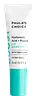
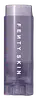
Paula's Choice Boost Hyaluronic Acid + Peptide Lip Booster Versus Fenty Beauty Lux Balm Ultra-Hydrating Cherry Lip Balm
This anti-aging lip moisturizer is formulated around Sodium Hyaluronate and Palmitoyl Tripeptide-1 to soften the look of wrinkles and hydrate lips.
This barrier-repair lip moisturizer is formulated around Butyrospermum Parkii Butter to strengthen the lip barrier and hydrate lips.

What's inside
What's inside
 Key Ingredients
Benefits
Concerns
Ingredients Side-by-side
Diisostearyl Malate
EmollientHydrogenated Castor Oil/Sebacic Acid Copolymer
Emollient


Theobroma Cacao Seed Butter
Emollient


Dipentaerythrityl Tetrabehenate/Polyhydroxystearate
HumectantPolyamide-8
EmollientPolyglyceryl-3 Beeswax
Emulsifying
Dimer Dilinoleyl Dimer Dilinoleate
EmollientEthylhexyl Palmitate
Emollient
Triisostearin
Skin Conditioning
Squalane
Emollient


Butyrospermum Parkii Butter Unsaponifiables
Skin Conditioning
Cetearyl Ethylhexanoate
Emollient
Dipalmitoyl Hydroxyproline
Skin Conditioning
Water
Skin ConditioningArginine/Lysine Polypeptide
Skin Conditioning
Tocopherol
Antioxidant




Tribehenin
Emollient
Palmitic Acid
Emollient
Hydroxystearic Acid
Cleansing
Sorbitan Isostearate
Emulsifying
Trihydroxystearin
Skin Conditioning
Glycine Soja Oil
Emollient
Pentaerythrityl Tetra-Di-T-Butyl Hydroxyhydrocinnamate
Antioxidant
Portulaca Pilosa Extract
Skin ConditioningSodium Hyaluronate
Humectant
Lactic Acid
Buffering





Sucrose Cocoate
Emulsifying

Palmitoyl Tripeptide-1
Skin Conditioning
Palmitoyl Tripeptide-38
Skin Conditioning
Glucomannan
Skin ConditioningSorbic Acid
Preservative
Diisostearyl Malate, Hydrogenated Castor Oil/Sebacic Acid Copolymer, Theobroma Cacao Seed Butter, Dipentaerythrityl Tetrabehenate/Polyhydroxystearate, Polyamide-8, Polyglyceryl-3 Beeswax, Dimer Dilinoleyl Dimer Dilinoleate, Ethylhexyl Palmitate, Triisostearin, Squalane, Butyrospermum Parkii Butter Unsaponifiables, Cetearyl Ethylhexanoate, Dipalmitoyl Hydroxyproline, Water, Arginine/Lysine Polypeptide, Tocopherol, Tribehenin, Palmitic Acid, Hydroxystearic Acid, Sorbitan Isostearate, Trihydroxystearin, Glycine Soja Oil, Pentaerythrityl Tetra-Di-T-Butyl Hydroxyhydrocinnamate, Portulaca Pilosa Extract, Sodium Hyaluronate, Lactic Acid, Sucrose Cocoate, Palmitoyl Tripeptide-1, Palmitoyl Tripeptide-38, Glucomannan, Sorbic Acid
Butyrospermum Parkii Butter
Skin Conditioning
Bis-Diglyceryl Polyacyladipate-2
Emollient
Mangifera Indica Seed Butter
Skin Conditioning
Diisostearyl Malate
EmollientHydrogenated Polyisobutene
EmollientSynthetic Beeswax
Emulsion Stabilising
Polymethylsilsesquioxane

Silica
Abrasive
Dimethicone
Emollient
Bis-Behenyl/Isostearyl/Phytosteryl Dimer Dilinoleyl Dimer Dilinoleate
EmollientCetyl Ricinoleate
Emollient
Synthetic Fluorphlogopite
CI 77220
Cosmetic ColorantHelianthus Annuus Seed Oil
Emollient
Persea Gratissima Oil
Skin Conditioning
Synthetic Wax
Abrasive
Sucrose Tetrastearate Triacetate
Emollient
Theobroma Cacao Seed Butter
Emollient
Tribehenin
Emollient
Euphorbia Cerifera Cera
Astringent
Prunus Avium Seed Oil
Emollient
Malpighia Punicifolia Fruit Extract
Antioxidant
Astrocaryum Murumuru Seed Butter
Emollient
Tocopheryl Acetate
Antioxidant
Tocopherol
Antioxidant
Glycine Soja Oil
Emollient
Caprylic/Capric Triglyceride
Masking
Stevioside
MaskingTriethoxycaprylylsilane
Dehydroacetic Acid
Preservative
Dimethicone/Vinyl Dimethicone Crosspolymer
Skin Conditioning
Parfum
Masking

Phenoxyethanol
Preservative
Butyrospermum Parkii Butter, Bis-Diglyceryl Polyacyladipate-2, Mangifera Indica Seed Butter, Diisostearyl Malate, Hydrogenated Polyisobutene, Synthetic Beeswax, Polymethylsilsesquioxane, Silica, Dimethicone, Bis-Behenyl/Isostearyl/Phytosteryl Dimer Dilinoleyl Dimer Dilinoleate, Cetyl Ricinoleate, Synthetic Fluorphlogopite, CI 77220, Helianthus Annuus Seed Oil, Persea Gratissima Oil, Synthetic Wax, Sucrose Tetrastearate Triacetate, Theobroma Cacao Seed Butter, Tribehenin, Euphorbia Cerifera Cera, Prunus Avium Seed Oil, Malpighia Punicifolia Fruit Extract, Astrocaryum Murumuru Seed Butter, Tocopheryl Acetate, Tocopherol, Glycine Soja Oil, Caprylic/Capric Triglyceride, Stevioside, Triethoxycaprylylsilane, Dehydroacetic Acid, Dimethicone/Vinyl Dimethicone Crosspolymer, Parfum, Phenoxyethanol
Reviews
Ingredients Explained
These ingredients are found in both products.
Ingredients higher up in an ingredient list are typically present in a larger amount.
Diisostearyl Malate is an emollient and most often used in lip products. It comes from isostearyl alcohol, a fatty acid, and malic acid, an AHA.
As an emollient, Diisostearyl Malate helps create a thin film on your skin to trap moisture in. This helps keep your skin soft and smooth.
Glycine Soja Oil is a plant-derived oil from soybean seeds. Like other oils, it is rich in essential fatty acids (mostly linoleic and oleic) that support skin hydration and barrier function.
The fatty acids are able to integrate into the lipid matrix of the stratum corneum to help soften skin and reduce water loss.
On top of that, soybean oil is rich in vitamins like vitamin E, a potent antioxidant.
Research on soybean's active components also point to anti-inflammatory, collagen-stimulating, antioxidant activity, and protection against UV-induced oxidative damage.
Most of this research applies to the broader soybean plant and not just the oil fraction alone.
This ingredient does carry a comedogenic rating of 3 from the old rabbit-ear assay. Just remember testing finished products in humans showed that formulas built with "comedogenic" ingredients are not necessarily comedogenic themselves. It's worth patch testing if you're breakout prone, and always listen to your skin.
This ingredient may not be fungal acne safe due to the oleic acid content.
Learn more about Glycine Soja OilThis ingredient is also known as Cocoa butter; it's the fat pressed out of roasted cocoa beans.
Cocoa butter is solid at room temperature and melts right around body temperature, which is why it feels waxy in the jar and slippery on skin.
It has a very saturated profile (stearic acid ~34 to 36%, oleic acid ~30 to 40%, and palmitic acid ~24 to 29%) that makes it a strong occlusive: it sits on top and slows water escaping from skin.
Concentration data shows that it can show up anywhere from a few percent in lotions up to 100% in balms, and the FDA lists cocoa butter as an OTC skin protectant active at 50-100%.
The CIR has reviewed it and concluded it to be safe as used in cosmetics.
This is one of the ingredients with a comedogenic score of 4/5 from the rabbit ear test. Just know that a later human study did find that finished products containing high-comedogenic ingredients like cocoa butter did not increase microcomedone formation.
The fair call here is that this ingredient is most likely fine on body or low-percentage formulas, but can potentially be riskier as a heavy leave-on facial product if you break out easily.
Cocoa butter may not be fungal acne safe; it is a triglyceride of C16-18 fatty acids that the Malassezia yeast can metabolize.
Allergies to cocoa butter are rare and uncommon, but a few cases have been documented (mostly in cases where the person ate chocolate). So if you have a tree nut allergy, be sure to patch test or avoid.
Learn more about Theobroma Cacao Seed ButterTocopherol is a fat-soluble antioxidant known as Vitamin E.
You'll find this ingredient in the vast majority of skincare (for good reason). It works to neutralize free radicals, or unstable molecules generated by UV exposure, pollution, and other environmental stressors, before they can cause oxidative damage to your skin cells.
Topically applied tocopherol has been shown to protect against UV damage by ramping up the skin's own natural defense enzymes.
It also acts as a skin conditioning agent; some studies show that regular topical use can improve the skin's water-binding capacity over 2-4 weeks.
This ingredient is especially loved for being a team player. When combined with Vitamin C, the photoprotective effect of both ingredients roughly doubles and the combo also helps reduce UV-induced DNA damage.
This ingredient has some brightening potential but it's more of a prevention ingredient than spot-fader. Cell studies show it can slow down melanin production but it's worth noting that it's not the most powerful brightener out there.
In formulations, it also serves as a stabilizer that helps protect other oxidation-prone ingredients from degrading.
Concentrations usually range from 0.1-1% in most leave-on products.
Learn more about TocopherolTribehenin is the triglyceride of glycerin and behenic acid. It is an emollient that helps soften and condition skin.
Safety-wise, this is a well-vetted ingredient. Repeated-insult patch tests of 0.38% tribehenin did not trigger sensitization.
This ingredient may not be fungal acne safe because behenic acid falls into the chain-length range that Malassezia yeasts can feed on.
Learn more about Tribehenin

