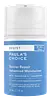
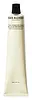
Paula's Choice Barrier Repair Advanced Moisturizer Versus Grown Alchemist Age-Repair Moisturiser Phyto-Peptide, White Tea Extract
This barrier-repair moisturizer is formulated around Ceramide Ag and Ceramide NP to strengthen the skin barrier and hydrate skin.
This moisturizer is formulated around Camellia Sinensis Extract to calm irritation and reduce redness.


What's inside
What's inside
 Key Ingredients
Benefits
Concerns
Ingredients Side-by-side
Water
Skin Conditioning2,3-Butanediol
HumectantDicaprylyl Carbonate
EmollientGlycerin
Humectant


Glyceryl Stearate
Emollient

Cocoglycerides
Emollient
Ceramide Ag
Humectant


Ceramide NP
Skin Conditioning
Hydroxyacetophenone
Antioxidant
Sodium Hyaluronate
Humectant
Ceramide EOP
Skin Conditioning
Ceramide Ng
Skin Conditioning
Ceramide AP
Skin Conditioning
Adenosine
Skin Conditioning
Tocopherol
Antioxidant


Butyrospermum Parkii Butter
Skin Conditioning


Palmitoyl Tripeptide-5
Skin Conditioning

Hexylene Glycol
EmulsifyingTrehalose
Humectant
Cholesterol
Emollient
Squalane
Emollient
Sodium Phytate
ChelatingUrea
Buffering
Hydrogenated Lecithin
Emulsifying
Citrullus Lanatus Seed Oil
Emollient
Caprylyl Glycol
Emollient
Sodium PCA
Humectant
Polyquaternium-51
Skin Conditioning
Triacetin
AntimicrobialSodium Polyacrylate
Absorbent
Xanthan Gum
EmulsifyingEthylhexyl Stearate
Emollient
Phenoxyethanol
Preservative
Sodium Stearoyl Glutamate
CleansingEthylhexylglycerin
Skin ConditioningWater, 2,3-Butanediol, Dicaprylyl Carbonate, Glycerin, Glyceryl Stearate, Cocoglycerides, Ceramide Ag, Ceramide NP, Hydroxyacetophenone, Sodium Hyaluronate, Ceramide EOP, Ceramide Ng, Ceramide AP, Adenosine, Tocopherol, Butyrospermum Parkii Butter, Palmitoyl Tripeptide-5, Hexylene Glycol, Trehalose, Cholesterol, Squalane, Sodium Phytate, Urea, Hydrogenated Lecithin, Citrullus Lanatus Seed Oil, Caprylyl Glycol, Sodium PCA, Polyquaternium-51, Triacetin, Sodium Polyacrylate, Xanthan Gum, Ethylhexyl Stearate, Phenoxyethanol, Sodium Stearoyl Glutamate, Ethylhexylglycerin
Water
Skin ConditioningVitis Vinifera Seed Oil
Emollient
Camellia Oleifera Seed Oil
Skin Conditioning
Glycerin
Humectant
Cetearyl Olivate
Cetyl Alcohol
Emollient
Sorbitan Olivate
Emulsifying
Khaya Senegalensis Bark Extract
Skin ProtectingAloe Barbadensis Leaf Extract
Emollient
Oligopeptide-1
Skin Conditioning
Maltodextrin
Absorbent
Sodium Hyaluronate
Humectant
Sodium Phytate
ChelatingVaccinium Macrocarpon Fruit Extract
AstringentCamellia Sinensis Extract
Antioxidant
Xanthan Gum
EmulsifyingCassia Angustifolia Seed Polysaccharide
Skin ConditioningHydrolyzed Wheat Protein
Skin ConditioningTocopherol
Antioxidant
Benzyl Alcohol
Perfuming




Dehydroacetic Acid
Preservative
Lavandula Angustifolia Oil
Masking
Carum Petroselinum Seed Oil
Masking
Geraniol
Perfuming
Limonene
Perfuming
Linalool
Perfuming
Water, Vitis Vinifera Seed Oil, Camellia Oleifera Seed Oil, Glycerin, Cetearyl Olivate, Cetyl Alcohol, Sorbitan Olivate, Khaya Senegalensis Bark Extract, Aloe Barbadensis Leaf Extract, Oligopeptide-1, Maltodextrin, Sodium Hyaluronate, Sodium Phytate, Vaccinium Macrocarpon Fruit Extract, Camellia Sinensis Extract, Xanthan Gum, Cassia Angustifolia Seed Polysaccharide, Hydrolyzed Wheat Protein, Tocopherol, Benzyl Alcohol, Dehydroacetic Acid, Lavandula Angustifolia Oil, Carum Petroselinum Seed Oil, Geraniol, Limonene, Linalool
Reviews
Ingredients Explained
These ingredients are found in both products.
Ingredients higher up in an ingredient list are typically present in a larger amount.
Glycerin (or glycerol) is a compound naturally found in your skin. It's a powerhouse humectant that pulls water into the stratum corneum.
Topically, glycerin does several things at once:
Your skin makes glycerin on its own (mostly from sebaceous oil breakdown) and shuttles it to your outermost layer of skin, or your epidermis, via aquaporin-3.
Aquaporin-3 is a transporter that is essential for normal skin hydration, elasticity, and repair. Interestingly, mice lacking in AQP3 have dry and less elastic skin that can be fully corrected with glycerin.
This ingredient is non-irritating, plays well with almost every ingredient, and works across all skin types. Typical use is anywhere between 3-10% but can go up to 79% in some leave-on products.
Just know very high concentrations (>40%) can feel tacky in low humidity.
Glycerin is the name for this ingredient in American English. British English uses Glycerol/Glycerine.
Learn more about GlycerinSodium Hyaluronate is the salt form of hyaluronic acid. It is a long sugar chain that is naturally found in your skin, joints, and connective tissue that maintains hydration and elasticity.
In skincare, it works as a humectant. It pulls water from the environment and deeper layers of skin and binds it to the surface.
Interestingly, the size of the molecule affects its behavior:
Some clinical evidence links low molecular weight versions to improved wrinkle depth, elasticity, anti-inflammatory effects, and barrier repair.
Many serums use a blend of both weights so you can get surface hydration plus longer-lasting and deeper effects.
You'll typically see concentrations between 0.1-2% for this ingredient.
Learn more about Sodium HyaluronateSodium Phytate is the sodium salt of Phytic acid, a compound that plants store phosphorus in. It's the plant-derived alternative to ingredients like Disodium EDTA.
In skincare, this ingredient is a chelator that grabs onto trace metal ions like iron and copper that sneak into formulas through water/raw materials.
Those metals speed up oxidation so binding them keeps oils, fragrance, and actives from going off, stops color changes, and helps the preservative system work harder.
Survey data shows usage levels range from 0.0099%-0.5% in leave-on products, 0.025%-0.3% in rinse-off, and up to 0.05% in eye-area products. Suppliers typically recommend a range between 0.05-0.5%.
Learn more about Sodium PhytateTocopherol is a fat-soluble antioxidant known as Vitamin E.
You'll find this ingredient in the vast majority of skincare (for good reason). It works to neutralize free radicals, or unstable molecules generated by UV exposure, pollution, and other environmental stressors, before they can cause oxidative damage to your skin cells.
Topically applied tocopherol has been shown to protect against UV damage by ramping up the skin's own natural defense enzymes.
It also acts as a skin conditioning agent; some studies show that regular topical use can improve the skin's water-binding capacity over 2-4 weeks.
This ingredient is especially loved for being a team player. When combined with Vitamin C, the photoprotective effect of both ingredients roughly doubles and the combo also helps reduce UV-induced DNA damage.
This ingredient has some brightening potential but it's more of a prevention ingredient than spot-fader. Cell studies show it can slow down melanin production but it's worth noting that it's not the most powerful brightener out there.
In formulations, it also serves as a stabilizer that helps protect other oxidation-prone ingredients from degrading.
Concentrations usually range from 0.1-1% in most leave-on products.
Learn more about TocopherolWater. It's the most common cosmetic ingredient of all. You'll usually see it at the top of ingredient lists, meaning that it makes up the largest part of the product.
So why is it so popular? Water most often acts as a solvent - this means that it helps dissolve other ingredients into the formulation.
You'll also recognize water as that liquid we all need to stay alive. If you see this, drink a glass of water. Remember to stay hydrated!
Learn more about WaterXanthan gum is used as a stabilizer and thickener within cosmetic products. It helps give products a sticky, thick feeling - preventing them from being too runny.
On the technical side of things, xanthan gum is a polysaccharide - a combination consisting of multiple sugar molecules bonded together.
Xanthan gum is a pretty common and great ingredient. It is a natural, non-toxic, non-irritating ingredient that is also commonly used in food products.
Learn more about Xanthan Gum

