Parnell Cicamanu Serum Cushion Versus Merit Beauty The Minimalist Perfecting Complexion Foundation and Concealer Stick


What's inside
What's inside
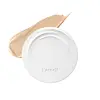 Key Ingredients
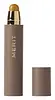
Benefits
Concerns
Ingredients Side-by-side
Centella Asiatica Extract
Cleansing





CI 77891
Cosmetic ColorantPhenyl Trimethicone
Skin Conditioning
Dimethicone
Emollient
Methyl Trimethicone
Skin Conditioning
Propanediol
Solvent
Diisostearyl Malate
EmollientGlycerin
Humectant
Tridecyl Trimellitate
EmollientLauryl Polyglyceryl-3 Polydimethylsiloxyethyl Dimethicone
Skin Conditioning
Caprylyl Methicone
Skin Conditioning
Trimethylsiloxysilicate
Emollient
Mica
Cosmetic Colorant1,2-Hexanediol
Skin Conditioning
Honey Extract
Humectant
Rosmarinus Officinalis Leaf Oil
Masking
Leptospermum Scoparium Leaf Extract
Skin ConditioningPolyglyceryl-4 Isostearate
Emulsifying

Magnesium Sulfate
Water
Skin ConditioningDisteardimonium Hectorite
StabilisingGlyceryl Caprylate
EmollientButylene Glycol
Humectant
Stearic Acid
Cleansing
Aluminum Hydroxide
EmollientAlumina
Abrasive
Triethoxycaprylylsilane
Lactobacillus
Skin ConditioningAcrylates/Dimethicone Copolymer
Skin Conditioning
Trisodium Ethylenediamine Disuccinate
Ceramide NP
Skin Conditioning
Madecassoside
Antioxidant
Phytosphingosine
Skin Conditioning
Tocopherol
Antioxidant


CI 77492
Cosmetic ColorantCI 77491
Cosmetic ColorantCI 77499
Cosmetic ColorantCentella Asiatica Extract, CI 77891, Phenyl Trimethicone, Dimethicone, Methyl Trimethicone, Propanediol, Diisostearyl Malate, Glycerin, Tridecyl Trimellitate, Lauryl Polyglyceryl-3 Polydimethylsiloxyethyl Dimethicone, Caprylyl Methicone, Trimethylsiloxysilicate, Mica, 1,2-Hexanediol, Honey Extract, Rosmarinus Officinalis Leaf Oil, Leptospermum Scoparium Leaf Extract, Polyglyceryl-4 Isostearate, Magnesium Sulfate, Water, Disteardimonium Hectorite, Glyceryl Caprylate, Butylene Glycol, Stearic Acid, Aluminum Hydroxide, Alumina, Triethoxycaprylylsilane, Lactobacillus, Acrylates/Dimethicone Copolymer, Trisodium Ethylenediamine Disuccinate, Ceramide NP, Madecassoside, Phytosphingosine, Tocopherol, CI 77492, CI 77491, CI 77499
Hydrogenated Polydecene
EmollientCaprylic/Capric Triglyceride
Masking
Octyldodecanol
Emollient
Silica
Abrasive

Polyethylene
Abrasive
Dipentaerythrityl Hexahydroxystearate/Hexastearate/Hexarosinate
Skin ConditioningHydrogenated Polyisobutene
EmollientCopernicia Cerifera Wax
Synthetic Wax
Abrasive
Triethoxycaprylylsilane
Cera Microcristallina
Emulsion StabilisingSorbitan Isostearate
Emulsifying
Pancratium Maritimum Extract
BleachingTocopheryl Acetate
Antioxidant
Dimethicone
Emollient
Caprylyl Glycol
Emollient
Propylene Carbonate
SolventEthylhexylglycerin
Skin Conditioning1,2-Hexanediol
Skin Conditioning
Stearalkonium Hectorite
Gel FormingGlycerin
Humectant
Water
Skin ConditioningMica
Cosmetic ColorantBHT
Antioxidant
CI 77491
Cosmetic ColorantCI 77891
Cosmetic ColorantHydrogenated Polydecene, Caprylic/Capric Triglyceride, Octyldodecanol, Silica, Polyethylene, Dipentaerythrityl Hexahydroxystearate/Hexastearate/Hexarosinate, Hydrogenated Polyisobutene, Copernicia Cerifera Wax, Synthetic Wax, Triethoxycaprylylsilane, Cera Microcristallina, Sorbitan Isostearate, Pancratium Maritimum Extract, Tocopheryl Acetate, Dimethicone, Caprylyl Glycol, Propylene Carbonate, Ethylhexylglycerin, 1,2-Hexanediol, Stearalkonium Hectorite, Glycerin, Water, Mica, BHT, CI 77491, CI 77891
Reviews
Ingredients Explained
These ingredients are found in both products.
Ingredients higher up in an ingredient list are typically present in a larger amount.
1,2-Hexanediol is a synthetic liquid and another multi-functional powerhouse.
It is a:
- Humectant, drawing moisture into the skin
- Emollient, helping to soften skin
- Solvent, dispersing and stabilizing formulas
- Preservative booster, enhancing the antimicrobial activity of other preservatives
Ci 77491 is also hydrated iron III oxide. It's sole purpose is to give a red/pink hue to products.
Iron III oxides are classified as inorganic chemicals for coloring.
Synthetically created Ci 77491 is considered safer than those naturally found. This is because the synthetically created version may contain less impurities. Iron oxides are generally non-toxic and non-allergenic.
Learn more about CI 77491Ci 77891 is a white pigment from Titanium dioxide. It is naturally found in minerals such as rutile and ilmenite.
It's main function is to add a white color to cosmetics. It can also be mixed with other colors to create different shades.
Ci 77891 is commonly found in sunscreens due to its ability to block UV rays.
Learn more about CI 77891Dimethicone is a type of synthetic silicone created from natural materials such as quartz. It is also known as polydimethylsiloxane.
What it does:
Dimethicone comes in different viscosities:
Depending on the viscosity, dimethicone has different properties.
Ingredients lists don't always show which type is used, so we recommend reaching out to the brand if you have questions about the viscosity.
This ingredient is unlikely to cause irritation because it does not get absorbed into skin. However, people with silicone allergies should be careful about using this ingredient.
Note: Dimethicone may contribute to pilling. This is because it is not oil or water soluble, so pilling may occur when layered with products. When mixed with heavy oils in a formula, the outcome is also quite greasy.
Learn more about DimethiconeGlycerin (or glycerol) is a compound naturally found in your skin. It's a powerhouse humectant that pulls water into the stratum corneum.
Topically, glycerin does several things at once:
Your skin makes glycerin on its own (mostly from sebaceous oil breakdown) and shuttles it to your outermost layer of skin, or your epidermis, via aquaporin-3.
Aquaporin-3 is a transporter that is essential for normal skin hydration, elasticity, and repair. Interestingly, mice lacking in AQP3 have dry and less elastic skin that can be fully corrected with glycerin.
This ingredient is non-irritating, plays well with almost every ingredient, and works across all skin types. Typical use is anywhere between 3-10% but can go up to 79% in some leave-on products.
Just know very high concentrations (>40%) can feel tacky in low humidity.
Glycerin is the name for this ingredient in American English. British English uses Glycerol/Glycerine.
Learn more about GlycerinMica is a naturally occurring mineral used to add shimmer and color in cosmetics. It can also help improve the texture of a product or give it an opaque, white/silver color.
Serecite is the name for very fine but ragged grains of mica.
This ingredient is often coated with metal oxides like titanium dioxide. Trace amounts of heavy metals may be found in mica, but these metals are not harmful in our personal products.
Mica has been used since prehistoric times throughout the world. Ancient Egyptian, Indian, Greek, Roman, Aztec, and Chinese civilizations have used mica.
Learn more about MicaTriethoxycaprylylsilane is a silicon-based surface modifier that makes sunscreens feel silky and makeup stay put.
Its main job is to coat mineral particles like titanium dioxide, zinc oxide, and color pigments in a thin, oily layer so they spread smoothly, don't clump, and stick to skin better.
This ingredient is typically used at low levels (up to 2.5% in eyeshadow and 1% in lipstick).
Learn more about TriethoxycaprylylsilaneWater. It's the most common cosmetic ingredient of all. You'll usually see it at the top of ingredient lists, meaning that it makes up the largest part of the product.
So why is it so popular? Water most often acts as a solvent - this means that it helps dissolve other ingredients into the formulation.
You'll also recognize water as that liquid we all need to stay alive. If you see this, drink a glass of water. Remember to stay hydrated!
Learn more about Water

