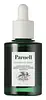
This calming serum is formulated around Centella Asiatica Extract and Lactobacillus Ferment to calm redness and strengthen the skin barrier.

What's inside
What's inside
 Key Ingredients
Benefits
Concerns
Ingredients Side-by-side
Water
Skin ConditioningButylene Glycol
Humectant

Glycerin
Humectant
1,2-Hexanediol
Skin Conditioning
Centella Asiatica Extract
Cleansing



Carbomer
Emulsion StabilisingTromethamine
BufferingPropanediol
Solvent
Polyglyceryl-10 Laurate
Skin Conditioning

Lactobacillus Ferment
Skin Conditioning
Coptis Japonica Root Extract
Skin ConditioningMelia Azadirachta Leaf Extract
Skin ConditioningTheobroma Cacao Seed Extract
Antioxidant
Ethylhexylglycerin
Skin ConditioningArtemisia Vulgaris Oil
Perfuming



Melia Azadirachta Flower Extract
Skin ConditioningSodium Polyacrylate
Absorbent
Dextrin
AbsorbentDisodium EDTA
ChelatingPentylene Glycol
Skin Conditioning
Leptospermum Scoparium Leaf Extract
Skin ConditioningMadecassoside
Antioxidant
Honey Extract
Humectant
Limnanthes Alba Seed Oil
Skin Conditioning
Caprylic/Capric Triglyceride
Masking
Olea Europaea Fruit Oil
Masking

Hydrogenated Lecithin
Emulsifying
Ceramide NP
Skin Conditioning
Phytosphingosine
Skin Conditioning
Melatonin
Antioxidant
Water, Butylene Glycol, Glycerin, 1,2-Hexanediol, Centella Asiatica Extract, Carbomer, Tromethamine, Propanediol, Polyglyceryl-10 Laurate, Lactobacillus Ferment, Coptis Japonica Root Extract, Melia Azadirachta Leaf Extract, Theobroma Cacao Seed Extract, Ethylhexylglycerin, Artemisia Vulgaris Oil, Melia Azadirachta Flower Extract, Sodium Polyacrylate, Dextrin, Disodium EDTA, Pentylene Glycol, Leptospermum Scoparium Leaf Extract, Madecassoside, Honey Extract, Limnanthes Alba Seed Oil, Caprylic/Capric Triglyceride, Olea Europaea Fruit Oil, Hydrogenated Lecithin, Ceramide NP, Phytosphingosine, Melatonin
Water
Skin ConditioningMelia Azadirachta Flower Extract
Skin ConditioningCymbopogon Schoenanthus Extract
Skin ConditioningCurcuma Longa Root Extract
Antioxidant
Tocopheryl Acetate
Antioxidant

Dextrin
AbsorbentHydrogenated Polydecene
EmollientCitrus Aurantifolia Oil
Cleansing
Ocimum Sanctum Leaf Extract
Skin ConditioningTheobroma Cacao Extract
Skin ConditioningGlycerin
Humectant
Nymphaea Alba Flower Extract
Skin ConditioningBetaine
Humectant
Cetyl Ethylhexanoate
EmollientCitrus Limon Peel Oil
Masking

Melia Azadirachta Leaf Extract
Skin ConditioningEclipta Prostrata Extract
Skin Conditioning
Moringa Oleifera Seed Oil
Emollient
Citrus Aurantium Dulcis Peel Oil
Masking
Sodium Chloride
MaskingMentha Rotundifolia Leaf Extract
TonicEthylhexylglycerin
Skin ConditioningOcimum Basilicum Flower/Leaf Extract
TonicLimnanthes Alba Seed Oil
Skin Conditioning
Camellia Japonica Flower Extract
EmollientAloe Barbadensis Leaf Water
MaskingMelia Azadirachta Bark Extract
AntimicrobialCoptis Japonica Root Extract
Skin ConditioningButylene Glycol
Humectant
1,2-Hexanediol
Skin Conditioning
Pearl Powder
Citrus Aurantifolia Peel Extract
Cleansing
Disodium EDTA
ChelatingDipropylene Glycol
HumectantSodium Palmitoyl Proline
Skin ConditioningWater, Melia Azadirachta Flower Extract, Cymbopogon Schoenanthus Extract, Curcuma Longa Root Extract, Tocopheryl Acetate, Dextrin, Hydrogenated Polydecene, Citrus Aurantifolia Oil, Ocimum Sanctum Leaf Extract, Theobroma Cacao Extract, Glycerin, Nymphaea Alba Flower Extract, Betaine, Cetyl Ethylhexanoate, Citrus Limon Peel Oil, Melia Azadirachta Leaf Extract, Eclipta Prostrata Extract, Moringa Oleifera Seed Oil, Citrus Aurantium Dulcis Peel Oil, Sodium Chloride, Mentha Rotundifolia Leaf Extract, Ethylhexylglycerin, Ocimum Basilicum Flower/Leaf Extract, Limnanthes Alba Seed Oil, Camellia Japonica Flower Extract, Aloe Barbadensis Leaf Water, Melia Azadirachta Bark Extract, Coptis Japonica Root Extract, Butylene Glycol, 1,2-Hexanediol, Pearl Powder, Citrus Aurantifolia Peel Extract, Disodium EDTA, Dipropylene Glycol, Sodium Palmitoyl Proline
Reviews
Ingredients Explained
These ingredients are found in both products.
Ingredients higher up in an ingredient list are typically present in a larger amount.
1,2-Hexanediol is a synthetic liquid and another multi-functional powerhouse.
It is a:
- Humectant, drawing moisture into the skin
- Emollient, helping to soften skin
- Solvent, dispersing and stabilizing formulas
- Preservative booster, enhancing the antimicrobial activity of other preservatives
Butylene Glycol (or BG) is used within cosmetic products for a few different reasons:
Overall, Butylene Glycol is a safe and well-rounded ingredient that works well with other ingredients.
Though this ingredient works well with most skin types, some people with sensitive skin may experience a reaction such as allergic rashes, closed comedones, or itchiness.
Learn more about Butylene GlycolCoptis Japonica Root Extract, also known as Japanese Goldthread, is a traditional East Asian herb. It is prized for its anti-inflammatory, antioxidant, and antimicrobial properties.
That’s not all - research in the International Journal of Cosmetic Science found that its active compound, berberine, may help reduce fat accumulation and slow down fat cell development.
This makes it a promising ingredient for slimming and anti-cellulite products!
Learn more about Coptis Japonica Root ExtractDextrin is a starch-derived polysaccharide. It's made by partially breaking down corn, potato, or other plant starches.
Think of it as "half-processed" starch; it's less complex than the original but not fully broken down into sugar like maltodextrin.
In cosmetics, it mainly functions as a bulking agent, viscosity controller, binder, and absorbent. It helps thicken products, stabilize powders, and get certain textures a less "wet" feel.
This ingredient has a pretty solid safety profile; it's recognized as a safe food additive and its large molecular size means it doesn't meaningfully penetrate skin.
Human repeat insult patch tests using a rinse-off facial product containing 42.69% dextrin found no skin irritation or sensitization in 54 subjects.
Typical real-world usage is much lower: usually under 1% as a texture modifier and up to 40% in masks (rinse off products use less).
Learn more about DextrinDisodium EDTA is a chelating agent. It grabs onto and deactivates metal ions that sneak into your products from water, packaging, or air.
This ingredient mainly works behind the scenes and helps with:
On top of that, this ingredient can counteract the effects of hard water by binding to the minerals in it.
One thing worth knowing is that Disodium EDTA has been shown to be a mild penetration enhancer. It can help other ingredients absorb into skin more effectively which can be a double-edged sword (great for actives, but can also make the active too strong if you have sensitive skin).
Clinical patch testing showed no significant skin irritation at typical use concentrations and minimal dermal absorption.
You'll most likely see this ingredient near the end of an ingredient list. It's typically found in concentrations less than 1%.
Learn more about Disodium EDTAEthylhexylglycerin is created from glycerin. It is a multitasker ingredient that:
The CIR Expert Panel found minimal skin absorption or sensitization of any kind in a safety assessment. Though this ingredient is considered well-tolerated, a small number of cases of allergic dermatitis have been published since 2002. Just be sure to patch test if you are unsure.
Industry-reported use ranges from 8% in rinse-off products and 2% in leave-on formulations.
Learn more about EthylhexylglycerinGlycerin (or glycerol) is a compound naturally found in your skin. It's a powerhouse humectant that pulls water into the stratum corneum.
Topically, glycerin does several things at once:
Your skin makes glycerin on its own (mostly from sebaceous oil breakdown) and shuttles it to your outermost layer of skin, or your epidermis, via aquaporin-3.
Aquaporin-3 is a transporter that is essential for normal skin hydration, elasticity, and repair. Interestingly, mice lacking in AQP3 have dry and less elastic skin that can be fully corrected with glycerin.
This ingredient is non-irritating, plays well with almost every ingredient, and works across all skin types. Typical use is anywhere between 3-10% but can go up to 79% in some leave-on products.
Just know very high concentrations (>40%) can feel tacky in low humidity.
Glycerin is the name for this ingredient in American English. British English uses Glycerol/Glycerine.
Learn more about GlycerinLimnanthes Alba Seed Oil is from the seeds of the meadowfoam plant. It is a skin conditioning agent and emollient that sits on top of skin to soften and hydrate it.
Over 98% of the oil is made up of long-chain fatty acids, mostly aachidic acid (61%), docosenoic acid (~16%), and docosadienoic acid (~18%).
This combination is not really found in any other plant oil and is the reason this is one of the most stable botanical oils available.
Some studies show it to be more stable than jojoba oil, helps a product resist going rancid, and can help extend the shelf life of a formula.
It also naturally contains vitamin E and phytosterols that give it a mild antioxidant benefit.
This ingredient is typically used from around 1% to fairly high levels since it's gentle; it's well-tolerated and low on the irritation scale.
Learn more about Limnanthes Alba Seed OilMelia Azadirachta Flower Extract is from the Neem tree. Neem trees originate from India.
Melia Azadirachta Flower Extract contains antioxidants. Antioxidants help fight free-radicals. Free-radicals are molecules that may damage your skin cells, such as pollution.
The flowers of this tree are lilac colored.
Learn more about Melia Azadirachta Flower ExtractThis ingredient is also known as neem leaf extract. It contains natural compounds like nimbidin, quercetin, and other polyphenols that give it antibacterial, antifungal, and anti-inflammatory activity.
Lab studies have shown neem leaf extract can inhibit acne-related bacteria and help calm skin. Animal studies on wound gels using 1-3% neem leaf extract found it sped up healing without causing irritation.
A wound-healing study testing gels with the extract at 1%, 2%, and 3% concentrations and found none of them irritated the skin.
Most commercial products also use it in a similar low range (typically under 5%).
Allergy-wise, there are some case reports on neem oil causing allergic contact dermatitis so people with plant/botanical sensitivities may want to patch test first.
Learn more about Melia Azadirachta Leaf ExtractWater. It's the most common cosmetic ingredient of all. You'll usually see it at the top of ingredient lists, meaning that it makes up the largest part of the product.
So why is it so popular? Water most often acts as a solvent - this means that it helps dissolve other ingredients into the formulation.
You'll also recognize water as that liquid we all need to stay alive. If you see this, drink a glass of water. Remember to stay hydrated!
Learn more about Water

