
What's inside
What's inside
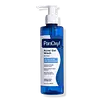 Key Ingredients
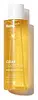
Benefits
Concerns
Ingredients Side-by-side
Salicylic Acid
Masking









1,2-Hexanediol
Skin Conditioning
Allantoin
Skin Conditioning



Aloe Barbadensis Leaf Juice
Skin Conditioning
Water
Skin ConditioningBetaine
Humectant
Camellia Sinensis Leaf Extract
Antimicrobial

Caprylyl Glycol
Emollient
Citric Acid
Buffering
Cocamidopropyl Hydroxysultaine
Cleansing
Decyl Glucoside
Cleansing
Glycerin
Humectant
PEG-150 Distearate
Emulsifying
Potassium Sorbate
Preservative
Saccharide Isomerate
Humectant
Sodium Benzoate
Masking
Sodium C14-16 Olefin Sulfonate
Cleansing
Sodium Chloride
MaskingSodium Citrate
BufferingSodium Hydroxide
BufferingSpirulina Platensis Extract
Skin ProtectingZinc PCA
Humectant
Salicylic Acid, 1,2-Hexanediol, Allantoin, Aloe Barbadensis Leaf Juice, Water, Betaine, Camellia Sinensis Leaf Extract, Caprylyl Glycol, Citric Acid, Cocamidopropyl Hydroxysultaine, Decyl Glucoside, Glycerin, PEG-150 Distearate, Potassium Sorbate, Saccharide Isomerate, Sodium Benzoate, Sodium C14-16 Olefin Sulfonate, Sodium Chloride, Sodium Citrate, Sodium Hydroxide, Spirulina Platensis Extract, Zinc PCA
Water
Skin ConditioningButylene Glycol
Humectant
Dipropylene Glycol
HumectantGlycerin
Humectant
1,2-Hexanediol
Skin Conditioning
Caprylic/Capric Triglyceride
Masking
Betaine
Humectant
Camellia Sinensis Leaf Water
Masking
Hamamelis Virginiana Extract
Antiseborrhoeic
Zinc PCA
Humectant
Salix Alba Bark Extract
Astringent
Sodium Hyaluronate
Humectant
Hydrolyzed Hyaluronic Acid
Humectant
Hydrolyzed Sodium Hyaluronate
Skin Conditioning
Hyaluronic Acid
Humectant
Hydroxypropyltrimonium Hyaluronate
Potassium Hyaluronate
Skin ConditioningSodium Hyaluronate Crosspolymer
Humectant
Sodium Acetylated Hyaluronate
Humectant
Tremella Fuciformis Polysaccharide
Emulsion Stabilising
Citrus Junos Fruit Extract
Skin ConditioningAnanas Sativus Fruit Extract
Skin ConditioningSalvia Officinalis Leaf Extract
CleansingMandelic Acid
Antimicrobial
Glycolic Acid
Buffering
Tocopherol
Antioxidant
Moringa Oleifera Seed Oil
Emollient
Melia Azadirachta Leaf Extract
Skin ConditioningGalactomyces Ferment Filtrate
Humectant
Pseudoalteromonas Ferment Extract
Humectant
Bifida Ferment Lysate
Skin Conditioning
Eclipta Prostrata Extract
Skin Conditioning
C12-14 Pareth-12
EmulsifyingGelatin
Tromethamine
BufferingAcrylates/C10-30 Alkyl Acrylate Crosspolymer
Emulsion StabilisingAllantoin
Skin Conditioning
Trehalose
Humectant
Pentylene Glycol
Skin Conditioning
Agar
MaskingCyamopsis Tetragonoloba Gum
Emulsion StabilisingAcacia Senegal Gum
MaskingTetrasodium Iminodisuccinate
Biosaccharide Gum-1
Humectant
Cellulose Gum
Emulsion StabilisingCarbomer
Emulsion StabilisingUbiquinone
Antioxidant
Xanthan Gum
EmulsifyingXanthophylls
Skin ConditioningEthylhexylglycerin
Skin ConditioningWater, Butylene Glycol, Dipropylene Glycol, Glycerin, 1,2-Hexanediol, Caprylic/Capric Triglyceride, Betaine, Camellia Sinensis Leaf Water, Hamamelis Virginiana Extract, Zinc PCA, Salix Alba Bark Extract, Sodium Hyaluronate, Hydrolyzed Hyaluronic Acid, Hydrolyzed Sodium Hyaluronate, Hyaluronic Acid, Hydroxypropyltrimonium Hyaluronate, Potassium Hyaluronate, Sodium Hyaluronate Crosspolymer, Sodium Acetylated Hyaluronate, Tremella Fuciformis Polysaccharide, Citrus Junos Fruit Extract, Ananas Sativus Fruit Extract, Salvia Officinalis Leaf Extract, Mandelic Acid, Glycolic Acid, Tocopherol, Moringa Oleifera Seed Oil, Melia Azadirachta Leaf Extract, Galactomyces Ferment Filtrate, Pseudoalteromonas Ferment Extract, Bifida Ferment Lysate, Eclipta Prostrata Extract, C12-14 Pareth-12, Gelatin, Tromethamine, Acrylates/C10-30 Alkyl Acrylate Crosspolymer, Allantoin, Trehalose, Pentylene Glycol, Agar, Cyamopsis Tetragonoloba Gum, Acacia Senegal Gum, Tetrasodium Iminodisuccinate, Biosaccharide Gum-1, Cellulose Gum, Carbomer, Ubiquinone, Xanthan Gum, Xanthophylls, Ethylhexylglycerin
Reviews
Ingredients Explained
These ingredients are found in both products.
Ingredients higher up in an ingredient list are typically present in a larger amount.
1,2-Hexanediol is a synthetic liquid and another multi-functional powerhouse.
It is a:
- Humectant, drawing moisture into the skin
- Emollient, helping to soften skin
- Solvent, dispersing and stabilizing formulas
- Preservative booster, enhancing the antimicrobial activity of other preservatives
Allantoin is a soothing ingredient known for its protective and moisturizing properties; it's basically a quiet workhorse ingredient you can find in a huge range of cosmetics.
Though it can be derived from the comfrey plant, allantoin is produced synthetically for cosmetic products to ensure purity.
Research shows it can encourage your skin cells to turn over and renew by stimulating keratinocyte and fibroblast proliferation.
It also has mild keratolytic properties to help loosen and shed dead skin cells without being harsh.
Studies also suggest allantoin can help calm inflammation by dialing down some of the chemical signals your skin sends out when it is irritated.
This ingredient is typically used in the 0.1-0.5% range, and the FDA recognizes it as a skin protectant in OTC products up to 2%.
Overall, allantoin is a wonderful addition to most routines; it is stable across a wide pH range (~4-8), works well with other ingredients, and is considered non-sensitizing/non-irritating.
Fun fact: Allantoin is naturally occurring in comfrey root, beets, chamomile, and wheat sprouts. Our bodies even produce it as a byproduct of uric acid metabolism.
Learn more about AllantoinBetaine is a humectant. Like hyaluronic acid, it helps attract and retain moisture in the skin. It’s known for being gentle and for helping the skin maintain balanced hydration.
Betaine is mainly used to improve hydration and support calmer skin. It helps skin cells regulate water balance because it functions as an osmolyte.
Some studies suggest betaine may support making skin tone more even.
Fun fact: Betaine naturally exists in the skin and the body. In cosmetic products, it can be either plant-derived (most commonly from sugar beets) or synthetically produced for consistency and stability.
Betaine is also known as trimethylglycine.
Learn more about BetaineGlycerin (or glycerol) is a compound naturally found in your skin. It's a powerhouse humectant that pulls water into the stratum corneum.
Topically, glycerin does several things at once:
Your skin makes glycerin on its own (mostly from sebaceous oil breakdown) and shuttles it to your outermost layer of skin, or your epidermis, via aquaporin-3.
Aquaporin-3 is a transporter that is essential for normal skin hydration, elasticity, and repair. Interestingly, mice lacking in AQP3 have dry and less elastic skin that can be fully corrected with glycerin.
This ingredient is non-irritating, plays well with almost every ingredient, and works across all skin types. Typical use is anywhere between 3-10% but can go up to 79% in some leave-on products.
Just know very high concentrations (>40%) can feel tacky in low humidity.
Glycerin is the name for this ingredient in American English. British English uses Glycerol/Glycerine.
Learn more about GlycerinWater. It's the most common cosmetic ingredient of all. You'll usually see it at the top of ingredient lists, meaning that it makes up the largest part of the product.
So why is it so popular? Water most often acts as a solvent - this means that it helps dissolve other ingredients into the formulation.
You'll also recognize water as that liquid we all need to stay alive. If you see this, drink a glass of water. Remember to stay hydrated!
Learn more about WaterZinc PCA (or "zinc salt") differs slightly from zinc itself. PCA stands for pyrrolidone carboxylic acid. However, Zinc PCA comes from zinc.
It can help reduce redness, regulate sebum, and promote the general healing process of the skin.
Zinc PCA tends to be especially useful for those with oily, acne-prone skin. It's certainly an ingredient worth trying out!
Learn more about Zinc PCA

