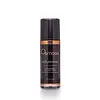
This anti-aging serum is formulated around Niacinamide and Lactic Acid to soften the look of wrinkles and brighten dull-looking skin.
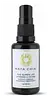
This brightening serum is formulated around Aloe Barbadensis Leaf Juice and Haematococcus Pluvialis Extract to brighten dull-looking skin and calm redness.

What's inside
What's inside
 Key Ingredients
Benefits
Concerns
Ingredients Side-by-side
Water
Skin ConditioningPhosphatidylcholine
EmulsifyingGlycerin
Humectant


Niacinamide
Smoothing









Alcohol Denat.
Antimicrobial




Polyglyceryl-4 Caprate
EmulsifyingLactic Acid
Buffering
Pyridoxine Hcl
Skin ConditioningPanthenol
Skin Conditioning
Chlorella Vulgaris Extract
Skin ConditioningPalmitoyl Tripeptide-38
Skin Conditioning
Fulvic Acid
Skin ConditioningBeta-Glucan
Skin Conditioning
Thioctic Acid
Antioxidant
Ubiquinone
Antioxidant
Glutathione
Ergothioneine
Antioxidant
Astaxanthin
Skin Conditioning
Polygonum Cuspidatum Extract
Skin ConditioningTocopherol
Antioxidant
Camellia Sinensis Leaf Extract
Antimicrobial
Ginkgo Biloba Leaf Extract
Skin Conditioning
Vitis Vinifera Seed Extract
Antimicrobial
Olea Europaea Leaf Extract
Perfuming
Citrus Grandis Peel Oil
Masking

Citrus Limon Peel Oil
Masking
Santalum Austrocaledonicum Wood Oil
Masking
Glycine Soja Oil
Emollient


Lonicera Caprifolium Flower Extract
Perfuming
Lonicera Japonica Flower Extract
Skin ConditioningCaprylic/Capric Triglyceride
Masking
Xanthan Gum
EmulsifyingHydroxypropyl Cyclodextrin
MaskingPotassium Sorbate
Preservative
Benzyl Alcohol
Perfuming
Sodium Hydroxide
BufferingCitric Acid
Buffering
Water, Phosphatidylcholine, Glycerin, Niacinamide, Alcohol Denat., Polyglyceryl-4 Caprate, Lactic Acid, Pyridoxine Hcl, Panthenol, Chlorella Vulgaris Extract, Palmitoyl Tripeptide-38, Fulvic Acid, Beta-Glucan, Thioctic Acid, Ubiquinone, Glutathione, Ergothioneine, Astaxanthin, Polygonum Cuspidatum Extract, Tocopherol, Camellia Sinensis Leaf Extract, Ginkgo Biloba Leaf Extract, Vitis Vinifera Seed Extract, Olea Europaea Leaf Extract, Citrus Grandis Peel Oil, Citrus Limon Peel Oil, Santalum Austrocaledonicum Wood Oil, Glycine Soja Oil, Lonicera Caprifolium Flower Extract, Lonicera Japonica Flower Extract, Caprylic/Capric Triglyceride, Xanthan Gum, Hydroxypropyl Cyclodextrin, Potassium Sorbate, Benzyl Alcohol, Sodium Hydroxide, Citric Acid
Aloe Barbadensis Leaf Juice
Skin Conditioning
Water
Skin ConditioningSalvia Hispanica Seed Oil
Emollient
Haematococcus Pluvialis Extract
Antioxidant
Sodium Ascorbyl Phosphate
Antioxidant
Magnesium Ascorbyl Phosphate
Antioxidant
Tetrahexyldecyl Ascorbate
Antioxidant
Ferula Foetida Root Extract
Skin ConditioningPunica Granatum Extract
AstringentCetearyl Olivate
Sorbitan Olivate
Emulsifying
Caffeine
Skin Conditioning
Citrus Aurantium Dulcis Flower Extract
Skin ConditioningOryza Sativa Extract
Absorbent
Lactobacillus Ferment Lysate
Skin Conditioning
Camellia Sinensis Leaf Extract
Antimicrobial
Phospholipids
Skin Conditioning
Panthenol
Skin Conditioning
Lactobacillus/Dipteryx Odorata Seed Ferment Filtrate
Skin ConditioningTranexamic Acid
Astringent
Niacinamide
Smoothing
Caesalpinia Spinosa Fruit Extract
Skin ProtectingSodium Hyaluronate
Humectant
Xylitylglucoside
Humectant
Anhydroxylitol
Humectant
Xylitol
Humectant
Tocopherol
Antioxidant
Xanthan Gum
EmulsifyingAcacia Senegal Gum
MaskingPelargonium Graveolens Cera
MaskingSodium Phytate
ChelatingSalicylic Acid
Masking
Glycerin
Humectant
Sorbic Acid
Preservative
Benzyl Alcohol
Perfuming
Aloe Barbadensis Leaf Juice, Water, Salvia Hispanica Seed Oil, Haematococcus Pluvialis Extract, Sodium Ascorbyl Phosphate, Magnesium Ascorbyl Phosphate, Tetrahexyldecyl Ascorbate, Ferula Foetida Root Extract, Punica Granatum Extract, Cetearyl Olivate, Sorbitan Olivate, Caffeine, Citrus Aurantium Dulcis Flower Extract, Oryza Sativa Extract, Lactobacillus Ferment Lysate, Camellia Sinensis Leaf Extract, Phospholipids, Panthenol, Lactobacillus/Dipteryx Odorata Seed Ferment Filtrate, Tranexamic Acid, Niacinamide, Caesalpinia Spinosa Fruit Extract, Sodium Hyaluronate, Xylitylglucoside, Anhydroxylitol, Xylitol, Tocopherol, Xanthan Gum, Acacia Senegal Gum, Pelargonium Graveolens Cera, Sodium Phytate, Salicylic Acid, Glycerin, Sorbic Acid, Benzyl Alcohol
Ingredients Explained
These ingredients are found in both products.
Ingredients higher up in an ingredient list are typically present in a larger amount.
Benzyl Alcohol is an aromatic alcohol with several roles: it's a preservative, solvent, and mild fragrance component with a floral scent.
This ingredient has been deemed safe for use in cosmetic formulations at concentrations up to 5%, and up to 10% in hair dyes. You'll typically see 0.5-2% in most rinse-off or leave-on products.
As a preservative, it works by disrupting the membrane of microbial proteins. This helps keep bacteria and fungi from growing in your products.
The sensitization picture is actually quite assuring as well:of nearly 71,000 patients patch tested with benzyl alcohol, only 0.21% showed a positive reaction with most of them being weakly positive.
This led researchers to conclude that benzyl alcohol cannot be regarded as a significant contact allergen.
It is worth noting this ingredient is classified as one of the EU's regulated fragrance allergens and restricted to 1% in finished products.
Labels must also declare it in concentrations above 0.001% in leave-on products and 0.01% in rinse-off products.
At concentrations around 5%, localized redness and itching can appear as a direct irritant response and not as a true allergic reaction.
Learn more about Benzyl AlcoholCamellia Sinensis Leaf Extract (tea extract) is one of the most well-researched plant extracts in skincare with an impressive resume.
Black tea, green tea, and oolong tea are all harvested from the Camellia Sinensis plant.
Studies show green tea extract and its catechins (like epigallocatechin gallate (EGCG)) help your skin cells product energy more efficiently and reducing the number of free-radicals that can damage your skin from the inside.
In lab-grown skin models, this translated to younger, healthier, and stronger skin.
There's also good sun protection data; researchers saw less DNA damage and redness on human skin when green tea was applied before UVB exposure. And the more they applied, the better the protection.
Needless to say, this ingredient shouldn't replace your sunscreen. But it is a great supportive ingredient that you can already find in many sunscreens and antioxidant serums.
A 2009 study found a 2% green tea lotion was effective for mild-to-moderate acne thanks to its anti-inflammatory and mild antimicrobial activity.
The quality of the extract matters a lot here:
Good extracts contain 50-90% catechins while lower quality ones are mostly there for marketing. We recommend reaching out to the brand if you have questions about the quality or source of their ingredients.
Human Repeated Insult Patch Testing showed no irritation or sensitization at use concentrations (0.86% in leave-on products and up to 30% as leaf water).
Learn more about Camellia Sinensis Leaf ExtractGlycerin (or glycerol) is a compound naturally found in your skin. It's a powerhouse humectant that pulls water into the stratum corneum.
Topically, glycerin does several things at once:
Your skin makes glycerin on its own (mostly from sebaceous oil breakdown) and shuttles it to your outermost layer of skin, or your epidermis, via aquaporin-3.
Aquaporin-3 is a transporter that is essential for normal skin hydration, elasticity, and repair. Interestingly, mice lacking in AQP3 have dry and less elastic skin that can be fully corrected with glycerin.
This ingredient is non-irritating, plays well with almost every ingredient, and works across all skin types. Typical use is anywhere between 3-10% but can go up to 79% in some leave-on products.
Just know very high concentrations (>40%) can feel tacky in low humidity.
Glycerin is the name for this ingredient in American English. British English uses Glycerol/Glycerine.
Learn more about GlycerinNiacinamide is a multitasking form of vitamin B3 that strengthens the skin barrier, reduces pores and dark spots, regulates oil, and improves signs of aging.
And the best part? It's gentle and well-tolerated by most skin types, including sensitive and reactive skin.
You might have heard of "niacin flush", or the reddening of skin that causes itchiness. Niacinamide has not been found to cause this.
In very rare cases, some individuals may not be able to tolerate niacinamide at all or experience an allergic reaction to it.
If you are experiencing flaking, irritation, and dryness with this ingredient, be sure to double check all your products as this ingredient can be found in all categories of skincare.
When incorporating niacinamide into your routine, look out for concentration amounts. Typically, 5% niacinamide provides benefits such as fading dark spots. However, if you have sensitive skin, it is better to begin with a smaller concentration.
When you apply niacinamide to your skin, your body converts it into nicotinamide adenine dinucleotide (NAD). NAD is an essential coenzyme that is already found in your cells as "fuel" and powers countless biological processes.
In your skin, NAD helps repair cell damage, produce new healthy cells, support collagen production, strengthen the skin barrier, and fight environmental stressors (like UV and pollution).
Our natural NAD levels start to decline with age, leading to slower skin repair, visible aging, and a weaker skin barrier. By providing your skin niacinamide, you're recharging your skin's NAD levels. This leads to stronger, healthier, and younger looking skin.
Another name for vitamin B3 is nicotinamide. This vitamin is water-soluble and our bodies don't store it. We obtain Vitamin B3 from either food or skincare. Meat, fish, wheat, yeast, and leafy greens contain vitamin B3.
The type of niacinamide used in skincare is synthetically created.
Learn more about NiacinamidePanthenol is a common ingredient that helps hydrate and soothe the skin. It is found naturally in our skin and hair.
There are two forms of panthenol: D and L.
D-panthenol is also known as dexpanthenol. Most cosmetics use dexpanthenol or a mixture of D and L-panthenol.
Panthenol is famous due to its ability to go deeper into the skin's layers. Using this ingredient has numerous pros (and no cons):
Like hyaluronic acid, panthenol is a humectant. Humectants are able to bind and hold large amounts of water to keep skin hydrated.
This ingredient works well for wound healing. It works by increasing tissue in the wound and helps close open wounds.
Once oxidized, panthenol converts to pantothenic acid. Panthothenic acid is found in all living cells.
This ingredient is also referred to as pro-vitamin B5.
Learn more about PanthenolTocopherol is a fat-soluble antioxidant known as Vitamin E.
You'll find this ingredient in the vast majority of skincare (for good reason). It works to neutralize free radicals, or unstable molecules generated by UV exposure, pollution, and other environmental stressors, before they can cause oxidative damage to your skin cells.
Topically applied tocopherol has been shown to protect against UV damage by ramping up the skin's own natural defense enzymes.
It also acts as a skin conditioning agent; some studies show that regular topical use can improve the skin's water-binding capacity over 2-4 weeks.
This ingredient is especially loved for being a team player. When combined with Vitamin C, the photoprotective effect of both ingredients roughly doubles and the combo also helps reduce UV-induced DNA damage.
This ingredient has some brightening potential but it's more of a prevention ingredient than spot-fader. Cell studies show it can slow down melanin production but it's worth noting that it's not the most powerful brightener out there.
In formulations, it also serves as a stabilizer that helps protect other oxidation-prone ingredients from degrading.
Concentrations usually range from 0.1-1% in most leave-on products.
Learn more about TocopherolWater. It's the most common cosmetic ingredient of all. You'll usually see it at the top of ingredient lists, meaning that it makes up the largest part of the product.
So why is it so popular? Water most often acts as a solvent - this means that it helps dissolve other ingredients into the formulation.
You'll also recognize water as that liquid we all need to stay alive. If you see this, drink a glass of water. Remember to stay hydrated!
Learn more about WaterXanthan gum is used as a stabilizer and thickener within cosmetic products. It helps give products a sticky, thick feeling - preventing them from being too runny.
On the technical side of things, xanthan gum is a polysaccharide - a combination consisting of multiple sugar molecules bonded together.
Xanthan gum is a pretty common and great ingredient. It is a natural, non-toxic, non-irritating ingredient that is also commonly used in food products.
Learn more about Xanthan Gum

