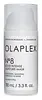
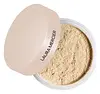
Olaplex No.8 Bond Intense Moisture Mask Versus Laura Mercier Ultra Blur Translucent Lose Setting Powder


What's inside
What's inside
 Key Ingredients
Benefits
Concerns
Ingredients Side-by-side
Water
Skin ConditioningDimethicone
Emollient

Cetyl Alcohol
Emollient



Persea Gratissima Oil
Skin Conditioning



Glycerin
Humectant
Stearyl Alcohol
Emollient
Ethylhexyl Olivate
Skin Conditioning
Behentrimonium Chloride
Preservative
Cetrimonium Bromide
Antimicrobial
Limnanthes Alba Seed Oil
Skin Conditioning
Oryza Sativa Bran Oil
Emollient

Quaternium-80
Squalane
Emollient
Rosa Canina Seed Extract
EmollientCeramide AP
Skin Conditioning
Ceramide NP
Skin Conditioning
Hydrolyzed Jojoba Esters
Skin Conditioning
Sodium Hyaluronate
Humectant
Sodium PCA
Humectant
Bis-Aminopropyl Diglycol Dimaleate
Skin ConditioningArginine
Masking
Jojoba Esters
Emollient
Panthenol
Skin Conditioning
Carthamus Tinctorius Seed Oil
Masking
Cannabis Sativa Seed Oil
Emollient
Glycine
Buffering
Alanine
Masking
Serine
Masking
Valine
MaskingIsoleucine
Skin ConditioningProline
Skin Conditioning
Threonine
Guar Hydroxypropyltrimonium Chloride
Skin ConditioningHistidine
Humectant
Hydroxyethylcellulose
Emulsion StabilisingPhenylalanine
Masking
Aspartic Acid
Masking
PCA
Humectant
Phosphatidylcholine
EmulsifyingCitric Acid
Buffering

Sodium Lactate
Buffering
Ethylhexylglycerin
Skin ConditioningSodium Benzoate
Masking
Phenoxyethanol
Preservative
Bis-Cetearyl Amodimethicone
Propylene Glycol
Humectant
Isopropyl Alcohol
Solvent


Sodium Nitrate
SoothingTocopherol
Antioxidant


Parfum
Masking

Citral
Perfuming
Hexyl Cinnamal
Perfuming
Limonene
Perfuming
Water, Dimethicone, Cetyl Alcohol, Persea Gratissima Oil, Glycerin, Stearyl Alcohol, Ethylhexyl Olivate, Behentrimonium Chloride, Cetrimonium Bromide, Limnanthes Alba Seed Oil, Oryza Sativa Bran Oil, Quaternium-80, Squalane, Rosa Canina Seed Extract, Ceramide AP, Ceramide NP, Hydrolyzed Jojoba Esters, Sodium Hyaluronate, Sodium PCA, Bis-Aminopropyl Diglycol Dimaleate, Arginine, Jojoba Esters, Panthenol, Carthamus Tinctorius Seed Oil, Cannabis Sativa Seed Oil, Glycine, Alanine, Serine, Valine, Isoleucine, Proline, Threonine, Guar Hydroxypropyltrimonium Chloride, Histidine, Hydroxyethylcellulose, Phenylalanine, Aspartic Acid, PCA, Phosphatidylcholine, Citric Acid, Sodium Lactate, Ethylhexylglycerin, Sodium Benzoate, Phenoxyethanol, Bis-Cetearyl Amodimethicone, Propylene Glycol, Isopropyl Alcohol, Sodium Nitrate, Tocopherol, Parfum, Citral, Hexyl Cinnamal, Limonene
Mica
Cosmetic ColorantLauroyl Lysine
Skin Conditioning
Zinc Stearate
Cosmetic ColorantAluminum Starch Octenylsuccinate
Absorbent
Silica
Abrasive

C13-15 Alkane
SolventEthylhexylglycerin
Skin ConditioningHelianthus Annuus Seed Oil
Emollient
Tocopherol
Antioxidant
Sodium Hyaluronate
Humectant
Sorbic Acid
Preservative
Blue 1 Lake
Cosmetic ColorantIron Oxides
CI 77742
Cosmetic ColorantCI 15850
Cosmetic ColorantCI 77891
Cosmetic ColorantCI 77007
Cosmetic ColorantCI 19140
Cosmetic Colorant
Reviews
Ingredients Explained
These ingredients are found in both products.
Ingredients higher up in an ingredient list are typically present in a larger amount.
Ethylhexylglycerin is created from glycerin. It is a multitasker ingredient that:
The CIR Expert Panel found minimal skin absorption or sensitization of any kind in a safety assessment. Though this ingredient is considered well-tolerated, a small number of cases of allergic dermatitis have been published since 2002. Just be sure to patch test if you are unsure.
Industry-reported use ranges from 8% in rinse-off products and 2% in leave-on formulations.
Learn more about EthylhexylglycerinSodium Hyaluronate is the salt form of hyaluronic acid. It is a long sugar chain that is naturally found in your skin, joints, and connective tissue that maintains hydration and elasticity.
In skincare, it works as a humectant. It pulls water from the environment and deeper layers of skin and binds it to the surface.
Interestingly, the size of the molecule affects its behavior:
Some clinical evidence links low molecular weight versions to improved wrinkle depth, elasticity, anti-inflammatory effects, and barrier repair.
Many serums use a blend of both weights so you can get surface hydration plus longer-lasting and deeper effects.
You'll typically see concentrations between 0.1-2% for this ingredient.
Learn more about Sodium HyaluronateTocopherol is a fat-soluble antioxidant known as Vitamin E.
You'll find this ingredient in the vast majority of skincare (for good reason). It works to neutralize free radicals, or unstable molecules generated by UV exposure, pollution, and other environmental stressors, before they can cause oxidative damage to your skin cells.
Topically applied tocopherol has been shown to protect against UV damage by ramping up the skin's own natural defense enzymes.
It also acts as a skin conditioning agent; some studies show that regular topical use can improve the skin's water-binding capacity over 2-4 weeks.
This ingredient is especially loved for being a team player. When combined with Vitamin C, the photoprotective effect of both ingredients roughly doubles and the combo also helps reduce UV-induced DNA damage.
This ingredient has some brightening potential but it's more of a prevention ingredient than spot-fader. Cell studies show it can slow down melanin production but it's worth noting that it's not the most powerful brightener out there.
In formulations, it also serves as a stabilizer that helps protect other oxidation-prone ingredients from degrading.
Concentrations usually range from 0.1-1% in most leave-on products.
Learn more about Tocopherol

